CRISPR poised to deliver dramatic benefits in fighting hunger and disease in Africa

mosquitoanddna
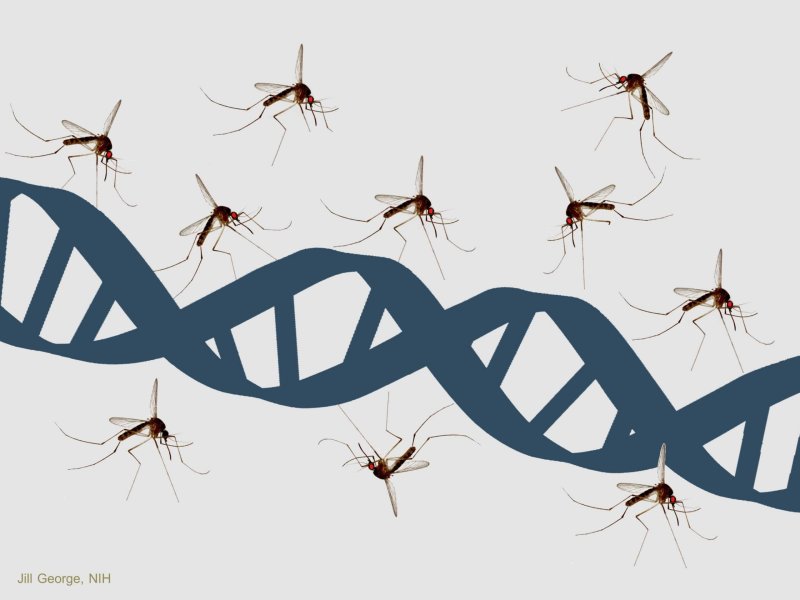
CRISPR/Cas9-based gene drives (GDs) were developed for malaria-carrying mosquito populations. Credit: Jill George/NIH

In Africa, hunger and starvation are rapidly accelerating. Economic issues and dramatic weather changes resulted in over 20% of the population experiencing long-term hunger.

A company, Calyxt, became the first to commercially debut a CRISPR gene-edited food, a soybean oil that is healthier for the body. Calyno, as the oil is known, marks a critical phase in gene modification. The time has finally arrived where it is possible to make foods that not only have been genetically altered to improve crop yield but food that is both tastier and healthier than standard crops. Other genetically modified crops were made more accessible through CRISPR, such as rice and other grains that are more resistant to pesticides and insects.

CRISPR gene editing has very high promises for treating and curing a significant number of diseases. In Africa, the leading causes of death are HIV/AIDS, Malaria and Tuberculosis. Mosquitoes transmit malaria and other diseases, but efforts to control their populations have had little success. CRISPR/Cas9-based gene drives (GDs) were developed for malaria-carrying mosquito populations.

Follow the latest news and policy debates on sustainable agriculture, biomedicine, and other ‘disruptive’ innovations. Subscribe to our newsletter.

The benefits of this technology, which could save the lives of millions of people, should be equally accessible to those in developing countries. With the proper investment, CRISPR gene editing would be worth the wait.


Read the original post.

{{ reviewsTotal }}{{ options.labels.singularReviewCountLabel }}
{{ reviewsTotal }}{{ options.labels.pluralReviewCountLabel }}
{{ options.labels.newReviewButton }}
{{ userData.canReview.message }}

Related Articles

Infographic: Global regulatory and health research agencies on whether glyphosate causes cancer

Infographic: Global regulatory and health research agencies on whether glyphosate causes cancer

Does glyphosate—the world's most heavily-used herbicide—pose serious harm to humans? Is it carcinogenic? Those issues are of both legal and ...

Most Popular

Screenshot 2025-08-25 203032
Mazzenga’s 20-year old muscles: How a still-going-strong 92-year old sprinter wins every race she enters
Screenshot-2026-06-08-at-10.19.30-AM
‘Natural’ wellness supplements linked to liver injury
Credit: ACSH
Viewpoint: Who and what’s to blame for the surge in vaccine-preventable diseases?
ChatGPT-Image-May-28-2026-12_56_54-PM
Viewpoint: Vaccines' non-specific effects? The ‘shoddy’ Danish couple whose 'research’ inspires RFK, Jr.’s health delusion
Screenshot-2026-06-05-at-2.12.30-PM
Some plants can poison you. So how did humans figure out what is safe to eat?
Screen Shot at AM
Facts & Fallacies Podcast: Right-wing politics bad for your health? Separating speculation from science
ChatGPT-Image-Jun-9-2026-03_24_05-PM
Misinformed parents overdosing children with Vitamin A to fight measles
Screenshot 2025-07-30 at 10.48
Can gene editing eliminate Down syndrome? Scientists have done it in lab-grown cells
ChatGPT Image Jun 3, 2026, 03_14_43 PM
Viewpoint: How Earthjustice became the poster child for the abuse of special interest activist funding
Screenshot-2026-06-05-at-1.44.09-PM
Viewpoint: Scientists have scrapped the worst-case climate scenario. Is that proof that climate change is a hoax, as Trump claims?
ChatGPT-Image-Jun-9-2026-11_54_59-AM
Why weight-loss drugs might be reducing cancer rates and making treatment more effective
ChatGPT-Image-Mar-10-2026-01_39_01-PM
Viewpoint—“Miracle molecule” debunked: Why acemannan supplements don’t work
Screenshot-2026-06-08-at-11.05.51-AM
Can vaping lead to cancer? New ‘association study’ raises questions of “links"
glp menu logo outlined

Get news on human & agricultural genetics and biotechnology delivered to your inbox.