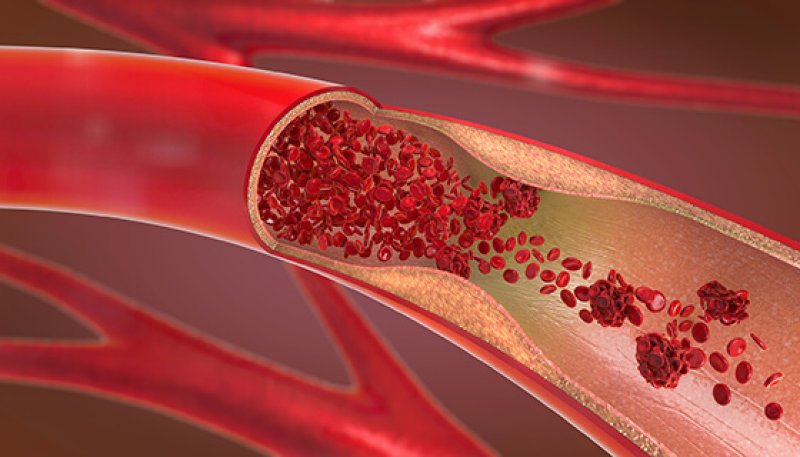

A team of researchers from Verve Therapeutics and the Perelman School of Medicine at the University of Pennsylvania has developed a CRISPR gene-editing technique that lowered the levels of cholesterol in the blood of test monkeys. In their paper published in the journal Nature, the researchers describe their technique.
Prior research has shown that in some people, the PCSK9 gene codes excess PCSK9 protein production (which occurs mostly in the liver)—leading to an increase in lipoprotein cholesterol levels in the bloodstream. This is because it interferes with blood cells with LDL receptors that “grab” LDL and remove it. For this reason, pharmaceutical companies have developed therapies that reduce the production of PCSK9 protein. However, most do not work well enough, which is why there is still so much atherosclerotic cardiovascular disease. In this new effort, the researchers have tried another approach—altering the PCSK9 gene to make it stop coding for PCSK9 protein production.

The approach involved using a base editing technology made up of messenger RNA encoding for an adenine base editor along with guided RNA that was packaged in a lipid nanoparticle. Notably, the base editing technique was able to substitute a single nucleotide with another in the DNA without cutting the double helix. Prior research has shown the technique to be more precise, which means fewer errors than other CRISPR techniques. In their work, the researchers replaced an adenine with a guanine and a thymine with a cytosine, completely incapacitating the gene. Implementation of the therapy involved a one-time injection into the liver of cynomolgus monkeys.
After injection, the researchers tested the monkeys’ cholesterol levels regularly. The researchers found that after just one week, levels of the PCSK9 protein had fallen by approximately 90% and low-density lipoprotein cholesterol (LDL-C) levels were down by approximately 60%. They also found that both percentages held up for at least 10 months.



The researchers suggest their strong results show that the technique is ready for testing in humans, though there is still hesitation by medical authorities on approving such work due to the inability to reverse the process should unintended effects occur.