Gene drives to control plant pests show promise but technological and public acceptance hurdles loom

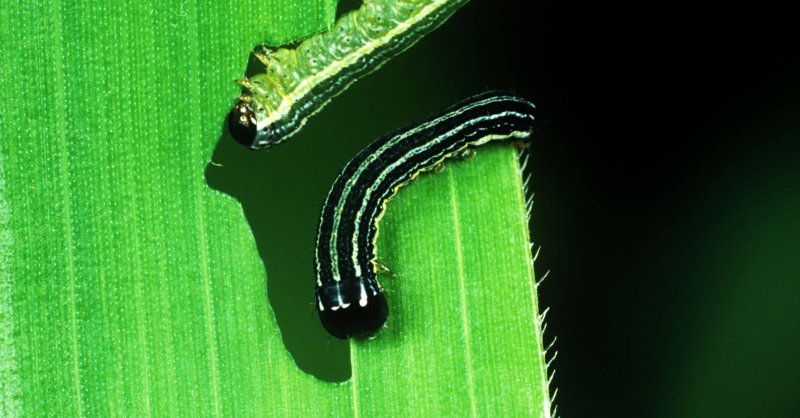
Fall armyworm. Credit: Nigel Cattlin/Alamy

Arthropods crop pests are responsible for 20% of global annual crop losses, a figure predicted to increase in a changing climate where the ranges of numerous species are projected to expand. 

At the same time, many insect species are beneficial, acting as pollinators and predators of pest species. 

For thousands of years, humans have used increasingly sophisticated chemical formulations to control insect pests but, as the scale of agriculture expanded to meet the needs of the global population, concerns about the negative impacts of agricultural practices on biodiversity have grown. 

While biological solutions, such as biological control agents and pheromones, have previously had relatively minor roles in pest management, biotechnology has opened the door to numerous new approaches for controlling insect pests. 

Follow the latest news and policy debates on sustainable agriculture, biomedicine, and other ‘disruptive’ innovations. Subscribe to our newsletter.

However, while biotechnology may provide multiple options for novel methods of pest control, many products will require regulatory systems that, for some products and regions, may not yet be in place. Additionally, they will require the support of growers and consumers for which open dialogues, including the potential of new technologies to contribute to social progress, will be beneficial.


This is an excerpt. Read the original post here (PDF).

{{ reviewsTotal }}{{ options.labels.singularReviewCountLabel }}
{{ reviewsTotal }}{{ options.labels.pluralReviewCountLabel }}
{{ options.labels.newReviewButton }}
{{ userData.canReview.message }}

Related Articles

Infographic: Global regulatory and health research agencies on whether glyphosate causes cancer

Infographic: Global regulatory and health research agencies on whether glyphosate causes cancer

Does glyphosate—the world's most heavily-used herbicide—pose serious harm to humans? Is it carcinogenic? Those issues are of both legal and ...

Most Popular

ChatGPT-Image-Jun-9-2026-01_11_37-PM
Turmeric supplements: More risks than benefits
Screenshot-2026-06-16-at-10.02.22-PM
Viewpoint: ‘Industrial food’ primer—Challenging the dangerous delusions of the alternative food movement
newborn infant baby mother
Facts & Fallacies Podcast: The truth about vitamin K shots
Screen Shot at AM
Facts & Fallacies Podcast: Right-wing politics bad for your health? Separating speculation from science
ChatGPT Image Jun 16, 2026, 12_03_37 PM
Kennedy accused of trying to ‘bully’ science journal that retracted study linking vaccines to infant deaths
ChatGPT-Image-Jun-3-2026-04_29_13-PM
Viewpoint: While unvaccinated children are dying overseas, Congress challenges Trump and Kennedy’s block on aid
Screenshot-2026-06-16-at-11.23.32-AM
In a rebuke to RFK, Jr.’s anti-vax crusade, journal retracts study claiming hepatitis B vaccine–autism link
Screenshot-2026-06-16-at-12.33.01-PM
Who’s responsible when AI lies? Google challenging court ruling that search results are not protected from legal liability
ChatGPT-Image-Jun-15-2026-11_00_13-AM-2
Glucosamine alert: Alzheimer’s progresses faster among those taking the popular supplement
ChatGPT-Image-Jun-15-2026-12_13_41-PM
Viewpoint: Behind the effort to re-purpose the tobacco attack strategy to fight ultra-processed foods
Screenshot-2026-06-16-at-12.46.54-PM
Viewpoint: “Dead Wrong”—Understanding healthcare’s misinformation epidemic
Screenshot-2026-06-05-at-2.12.30-PM
Some plants can poison you. So how did humans figure out what is safe to eat?
ChatGPT-Image-Mar-10-2026-01_39_01-PM
Viewpoint—“Miracle molecule” debunked: Why acemannan supplements don’t work
Screenshot-2026-06-14-at-9.53.54-AM
Is the World Cup a perfect storm for the spread of infectious diseases?
glp menu logo outlined

Get news on human & agricultural genetics and biotechnology delivered to your inbox.