More than domestication: Simply sharing environments with humans has radically altered the behavior of many animal species

Credit: World Atlas
Credit: World Atlas

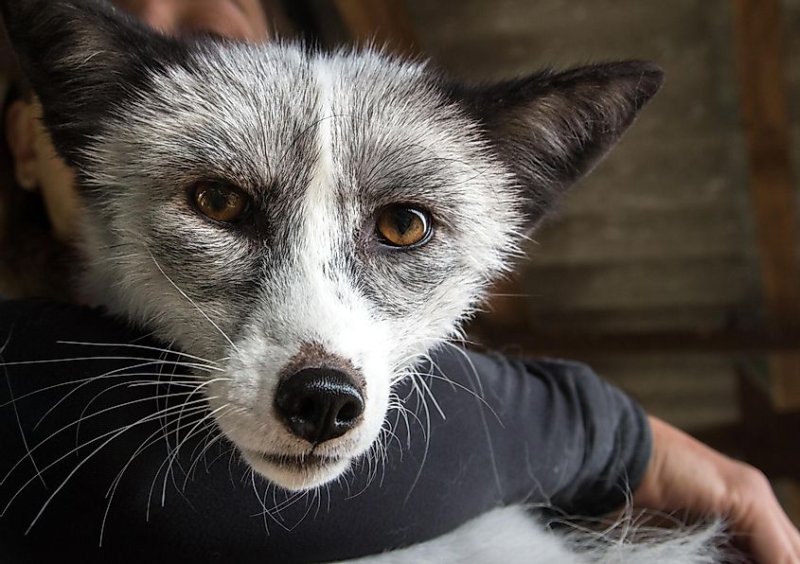
Humans have a long history of domesticating animals, a process that has spanned thousands of years. Charles Darwin was the first to notice that domesticated animals, like cats, dogs and pet rabbits share certain traits in addition to ‘tameness’. Pets tend to have floppier ears and curlier tails than their wild ancestors. They also have smaller jaws and teeth, white patches on their fur and breed more frequently. This phenomenon is known as ‘domestication syndrome’.

Follow the latest news and policy debates on sustainable agriculture, biomedicine, and other ‘disruptive’ innovations. Subscribe to our newsletter.

Domestication syndrome may not be limited to just animals humans have deliberately bred either. The house mouse probably crept into its first pantry 15,000 years ago, according to a study by Lior Weissbrod, a zooarchaeologist at the University of Haifa in Israel. Weissbrod uncovered mouse teeth in settlements left by the Natufian culture of hunter-gatherers in the eastern Mediterranean from around this time.

Since then, the mouse has travelled to every corner of the globe, making its home wherever humans live. And there’s evidence that co-habiting with humans for so long has changed the very DNA of mice.


This is an excerpt. Read the original post here.

{{ reviewsTotal }}{{ options.labels.singularReviewCountLabel }}
{{ reviewsTotal }}{{ options.labels.pluralReviewCountLabel }}
{{ options.labels.newReviewButton }}
{{ userData.canReview.message }}

Related Articles

Infographic: Global regulatory and health research agencies on whether glyphosate causes cancer

Infographic: Global regulatory and health research agencies on whether glyphosate causes cancer

Does glyphosate—the world's most heavily-used herbicide—pose serious harm to humans? Is it carcinogenic? Those issues are of both legal and ...

Most Popular

ChatGPT-Image-Jul-7-2026-12_01_35-PM
Viewpoint: 21 worthless wellness trends inspired by RFK, Jr.’s ill-informed MAHA followers that can harm or even kill you.
ChatGPT-Image-Jul-9-2026-10_36_24-AM
Deeply-flawed ivermectin study revives scientifically unsupported miracle cancer drug myth
ChatGPT-Image-Jul-1-2026-03_33_49-PM
‘Alternative’ cancer treatments that could kill you
Screenshot-2026-07-06-at-12.30.23-PM
2,300 endangered species: Controversial de-extinction company Colossal Biosciences joins U.S. effort to preserve their DNA
ChatGPT-Image-Mar-10-2026-01_39_01-PM
Viewpoint—“Miracle molecule” debunked: Why acemannan supplements don’t work
ChatGPT-Image-Jun-25-2026-12_23_17-PM
No, Bill Gates did not secretly engineer ticks to promote veganism
ChatGPT-Image-Jun-30-2026-10_27_31-AM
Viewpoint: Europe clears the way for gene-edited crops — but fear-driven restrictions still slow their full potential
d a ca e c c beb x
Facts & Fallacies podcast: The 'woke' crusade against anthropology? Dr. Elizabeth Weiss
Screenshot-2026-07-09-at-9.48.49-AM
Do cold plunges and contrast therapy work?
ChatGPT-Image-Jul-7-2026-11_19_20-AM
Signal or noise? Study links GLP-1 drugs to slowing the aging process
ChatGPT-Image-Jul-8-2026-04_10_51-PM-1
Kennedy-founded Children's Health Defense doubles down on support for Idaho mother charged by a grand jury with murdering her twins last year after claiming vaccines killed them
Screenshot 2026-07-08 at 10.13
What happens when a pro-life congresswoman needs an abortion?

Sorry. No data so far.

glp menu logo outlined

Get news on human & agricultural genetics and biotechnology delivered to your inbox.