Precision medicine genomic testing is changing the way we treat leukemia and reducing reliance on chemotherapy

Credit: STAT
Credit: STAT

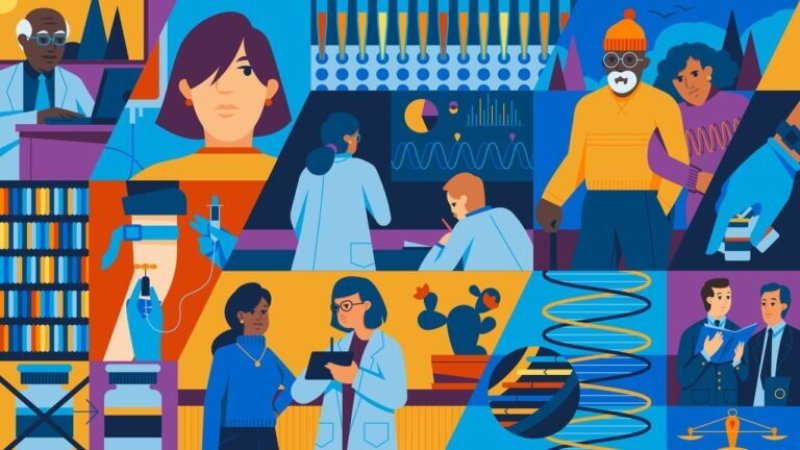
For decades, until the turn of this century, treatment strategies for leukemia changed very little. Patients received chemotherapy, often with a combination of agents to eliminate cancerous white blood cells, followed by bone-marrow transplants to replenish healthy ones. They received these treatments regardless of age, gender or family history. The treatments were truly one size fits all.

Today, blood cancer specialists have options. We can take advantage of genomic testing to identify the specific genetic mutations that characterize a patient’s cancer, and offer new precision medications that target cancer-driving proteins. Together, this offers patients precision medicine targeted specifically to their cancer type.

We can also use detailed genetic information about each patient’s cancer to select the most effective treatment with the lowest possible toxicity — improving outcomes and quality of life, while decreasing and sometimes eliminating side effects.

Follow the latest news and policy debates on sustainable agriculture, biomedicine, and other ‘disruptive’ innovations. Subscribe to our newsletter.

What’s more, oncologists are now identifying obstacles to treatment using new data focused on the social determinants of health — non-medical factors in people’s lives that influence their health outcomes. When those obstacles are identified, they can be overcome to get people the care they need.

Combined, these new approaches mean that treatment is highly personized, more effective and easier for patients and their families to access and manage.


This is an excerpt. Read the original post here

{{ reviewsTotal }}{{ options.labels.singularReviewCountLabel }}
{{ reviewsTotal }}{{ options.labels.pluralReviewCountLabel }}
{{ options.labels.newReviewButton }}
{{ userData.canReview.message }}

Related Articles

Infographic: Global regulatory and health research agencies on whether glyphosate causes cancer

Infographic: Global regulatory and health research agencies on whether glyphosate causes cancer

Does glyphosate—the world's most heavily-used herbicide—pose serious harm to humans? Is it carcinogenic? Those issues are of both legal and ...

Most Popular

wuhan institute of virology main entrance
​​COVID lab leak? Making a case that the Wuhan market origins theory is wrong
Screenshot-2026-06-17-at-9.44.03-AM
Viewpoint: Embryos are becoming the newest battleground of love, loss, and legal uncertainty
Screenshot-2026-06-18-at-11.41.51-AM
Viewpoint—Protecting baloney science: Far right senators move to protect the phony homeopathy industry
ChatGPT-Image-Jun-9-2026-01_11_37-PM
Turmeric supplements: More risks than benefits
Screenshot-2026-06-17-at-11.57.12-AM
Viewpoint: Raw milk and the myth of safety—ProPublica exposes the growing anti-homogenization movement
Screenshot-2026-06-16-at-10.02.22-PM
Viewpoint: ‘Industrial food’ primer—Challenging the dangerous delusions of the alternative food movement
ChatGPT-Image-Mar-10-2026-01_39_01-PM
Viewpoint—“Miracle molecule” debunked: Why acemannan supplements don’t work
Screenshot-2026-06-18-at-2.52.05-PM
Activist organization accuses Trump of protecting methane-generating stripper wells to benefit billionaire and donor Jeffrey Hildebrand 
ChatGPT-Image-Jun-18-2026-02_32_04-PM
Can illegal social media content be stopped before it goes viral? UK is going to try.
ChatGPT-Image-Jun-4-2026-03_07_27-PM
AAP v. Kennedy: While a court challenge grinds on, RFK Jr. quietly advances his anti-vaccine conspiracy agenda

Sorry. No data so far.

glp menu logo outlined

Get news on human & agricultural genetics and biotechnology delivered to your inbox.