Sri Lanka’s pro organic/no pesticide policy fiasco brings woes to country’s once-flourishing tea industry

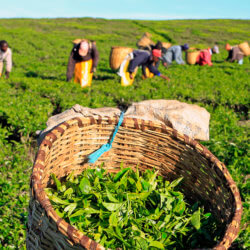
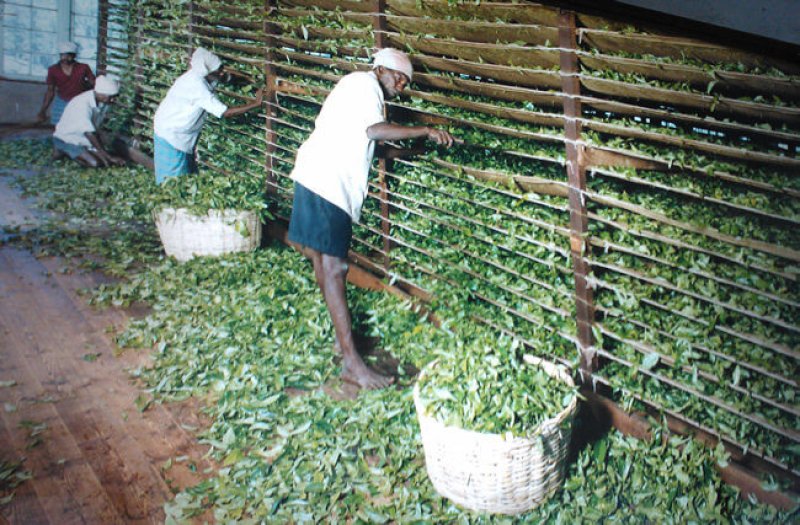
Green tea leaf withering before feeding into a processing machine. Credit: Craig Miller

With Sri Lanka in the throes of its worst ever economic crisis, its prosperous tea industry has taken a hit, with exports dropping drastically.

The island nation’s ongoing financial and political crisis has crippled its lucrative tea industry, which is crucial for the country’s economy.

…

“Production of tea has fallen by 18% and this has been largely on account of shortage of fertilizers and fuel. We need a course correction soon and there should be no major disruptions here on,” Jayantha Karunaratne, Chairman of the Colombo Tea Traders Association, told DW.

Mis- and disinformation are distorting science and public policy. Subscribe to our Daily and Weekly Digests for incisive coverage of ‘disruptive’ innovations in AI, agricultural biotechnology, food, chemicals, nuclear energy, vaccines, and other disruptive innovations.

Many pin the current crisis affecting the tea industry on adopting wrong policies without consulting industry experts.

In 2015, former President Maithripala Sirisena banned the import and use of glyphosate, and other chemical fertilizers, without any reported consultation with the Tea Research Institute or stakeholder representatives. No alternative herbicides were proffered.

“Then, in 2021, the [recently] ousted President Gotabaya Rajapaksa, again with no consultation with the industry, banned not only all chemical fertilizers, but also all pesticides and herbicides. Officials who disagreed with this policy were fired or forced out of their jobs,” Rohan Pethiyagoda, former chairman of the Sri Lanka Tea Board told DW.

This is an excerpt. Read the original post here

Related Articles

Infographic: Global regulatory and health research agencies on whether glyphosate causes cancer

Infographic: Global regulatory and health research agencies on whether glyphosate causes cancer

Does glyphosate—the world's most heavily-used herbicide—pose serious harm to humans? Is it carcinogenic? Those issues are of both legal and ...

Most Popular

ChatGPT-Image-Mar-10-2026-01_39_01-PM
Viewpoint—“Miracle molecule” debunked: Why acemannan supplements don’t work
Professional Portrait Earth Backdrop
Viewpoint: November 13 is the long-predicted global doomsday. How a respected scientist got population growth catastrophe predictions so spectacularly wrong—fueling decades of junk science
eden green vertical farm facility
Why vertical farming is not the panacea for our food production crisis that its proponents claim
Watercolor U.S
Cataloging the science-denying road to America losing its global measles-free status
Energetic Speaker on Stage
Viewpoint: Why are the stars of the MAHA revolution standing by convicted rapist — and conservative firebrand — Russell Brand?
Screenshot-2026-11-09-at-3.01.19-PM
Are Texas data centers killing calves? Debunking viral AI claims
Fluorescent and Natural Leaf Comparison
Here’s how biotechnology can reduce threats from disease and pests without resorting to sometimes-problematic chemicals
Neon Binary Code Bacteriophage
AI medicine breakthrough: Could ‘good viruses’ created by AI cure deadly diseases and infections?
glp menu logo outlined

Get news on human & agricultural genetics and biotechnology delivered to your inbox.