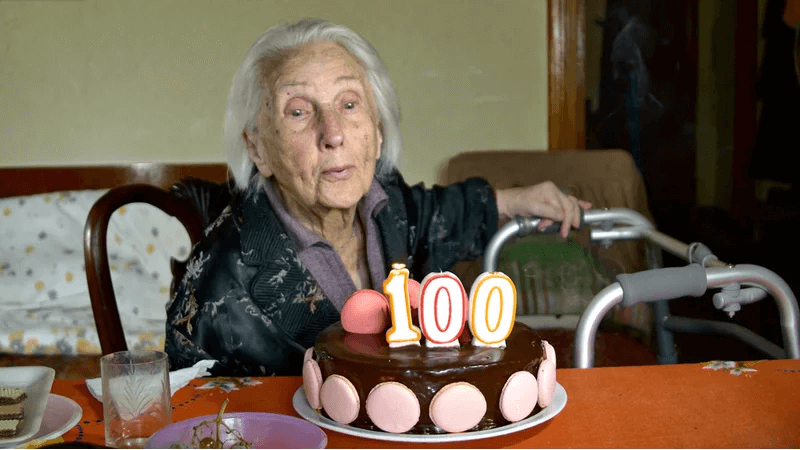
Children of centenarians have a unique genetic profile that may account for why they are less frail than children of non-centenarians of the same age. This is the main conclusion of research conducted by the Health Research Institute (INCLIVA), the University of Valencia (UV), and the Spanish CIBER Consortium on Frailty and Healthy Ageing (CIBERFES), which was published in The Journals of Gerontology.
Centenarians exhibit extreme longevity and compression of morbidity and have a unique genetic signature, and their offspring seem to inherit their compression of morbidity, as measured by lower rates of age-related pathologies. The aim therefore of the work carried out by the team headed by José Viña has been to determine if the offspring of centenarians are less frail and if a “centenarian genetic footprint” exists.
In order to do this, a sample of 63 centenarians, 88 of their descendants, and 88 offspring of non-centenarians were taken from a health service area close to Valencia. Participants had to be between the ages of 65 and 80, have alive parents who were over 97, and be free of terminal diseases in order to participate in the research. The Fried Frailty Criteria, which defines a person as frail if they exhibit unintended weight loss, tiredness, weakness (grip strength), poor walking speed, and low physical activity, was used to determine the level of frailty.
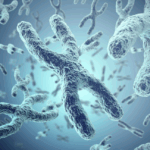
According to one of the study coordinators Consuelo Borrás: “Our findings show that the offspring of centenarians are less frail than their age-matched offspring of non-centenarians. We also collected plasma and peripheral blood mononuclear cells from the sampled individuals and found that the gene expression patterns (miRNA and mRNA) of the offspring of centenarians were more similar to the patterns found in centenarians than in those of offspring of the non-centenarians, despite having the same age.”
The researchers conclude that this means the descendants of centenarians are less frail than the age-matched descendants of non-centenarians, “and this can be explained by their unique genetic endowment.”

This study, a pioneer in comparing functional profiles (states of frailty) and genetic profiles (miRNA and mRNA expression patterns) of the offspring of centenarians and non-centenarians reinforces, according to José Viña “the idea that the former are genetically different from their peers and resemble the unique genetic characteristics of centenarians, so our results may help to further progress in identifying key genetic and functional characteristics that can be considered biomarkers of successful aging.”
Centenarians are an example of successful aging.
The over-60s age group is growing faster than any other as a result of greater life expectancy and lower birth rates. Much research in this area has focused on increasing the number of years of disability-free life expectancy (useful life), frequently called “successful aging”. Centenarians are considered model cases of this “successful aging”, as they appear to largely avert or delay the onset of age-related diseases or geriatric syndromes, thus exhibiting a decelerated aging trajectory.