Viewpoint: Lawyers spend hundreds of millions of dollars on pushing ‘inaccurate and baseless claims’ about common products like Roundup and talcum powder

Credit: CNN
Credit: CNN

Plaintiffs’ lawyers are relying more and more on traditional and social media to bolster litigation, often pushing inaccurate and baseless claims in friendly outlets.

They sometimes partner with so-called experts to provide misleading scientific evidence to support their claims both inside and outside the courtroom. This concerning trend repeats fallacies and influences public perception of cases and the parties on each side.

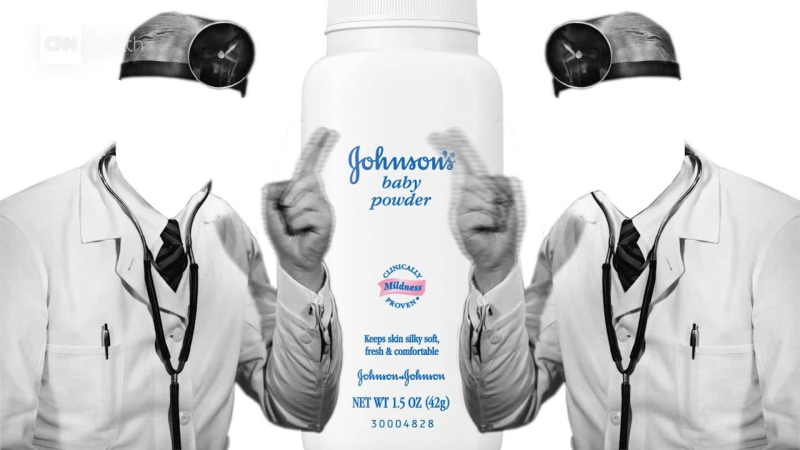
For example, the trial bar is spending hundreds of millions of dollars trying to drive home the message that products like Roundup and talcum powder cause cancer, despite the lack of sound scientific evidence verifying these claims.

Follow the latest news and policy debates on sustainable agriculture, biomedicine, and other ‘disruptive’ innovations. Subscribe to our newsletter.

Most recently, The New Yorker published a story about Johnson & Johnson and its long-running talc litigation.

The company is attempting to resolve talc-related claims through a process that Judge Michael Kaplan of the US Bankruptcy Court called “the optimal venue for redressing the harms of both present and future talc claimants in this case—ensuring a meaningful, timely, and equitable recovery.”

While the US Court of Appeals for the Third Circuit reviews Kaplan’s ruling, the plaintiffs’ bar seems unwilling to let the case’s facts and legal arguments speak for themselves. Instead, as communications with The New Yorker show, they helped orchestrate an 8,000-word article that can charitably be described as one-sided.

This pattern of promoting misleading information has real and troubling consequences. Kaplan and his staff received violent threats on social media, voicemails, and emails since the plaintiffs’ attorneys ramped up their media campaign.


This is an excerpt. Read the original post here

{{ reviewsTotal }}{{ options.labels.singularReviewCountLabel }}
{{ reviewsTotal }}{{ options.labels.pluralReviewCountLabel }}
{{ options.labels.newReviewButton }}
{{ userData.canReview.message }}

Related Articles

Infographic: Global regulatory and health research agencies on whether glyphosate causes cancer

Infographic: Global regulatory and health research agencies on whether glyphosate causes cancer

Does glyphosate—the world's most heavily-used herbicide—pose serious harm to humans? Is it carcinogenic? Those issues are of both legal and ...

Most Popular

wuhan institute of virology main entrance
​​COVID lab leak? Making a case that the Wuhan market origins theory is wrong
ChatGPT-Image-Mar-10-2026-01_39_01-PM
Viewpoint—“Miracle molecule” debunked: Why acemannan supplements don’t work
Screenshot-2026-06-18-at-11.41.51-AM
Viewpoint—Protecting baloney science: Far right senators move to protect the phony homeopathy industry
ChatGPT Image Jun 1, 2026, 11_39_17 AM
Viewpoint: When food myths go viral, farmers pay the price
ChatGPT Image May 28, 2026, 08_16_38 PM
Viewpoint: Why the EPA mismeasures cancer risk of chemicals and what should be done to fix it
ChatGPT Image May 26, 2026, 08_42_17 AM (1)
Viewpoint: Greenpeace and poison: How environmental advocacy groups rely on compliant (and often ignorant) journalists to spread disinformation and spark litigation
Screenshot-2026-06-05-at-2.12.30-PM
Some plants can poison you. So how did humans figure out what is safe to eat?

Sorry. No data so far.

glp menu logo outlined

Get news on human & agricultural genetics and biotechnology delivered to your inbox.