Is global food security a realistic goal? UN FAO report details CRISPR gene editing’s role in building a more promising future

Credit: Johnathan Jarnstead

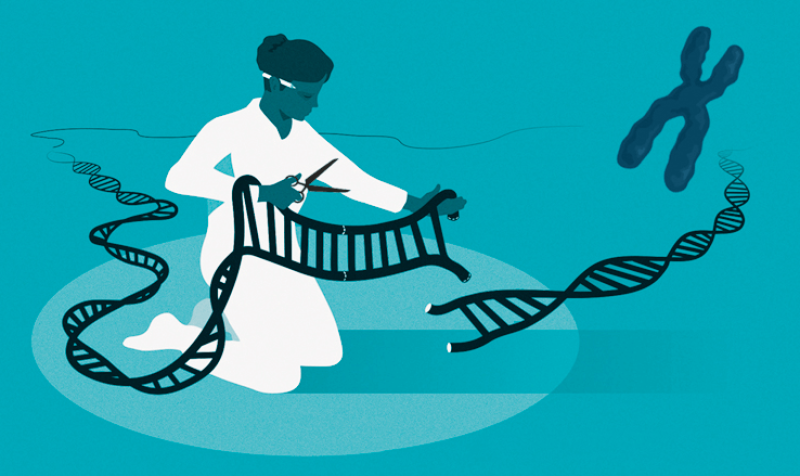
In the decade since CRISPR genome editing emerged, scientists have developed a toolkit to tackle the most pressing issues facing humanity and the planet. With the capacity to precisely edit the genomes of crop plants, we can alter nutritional content to combat malnutrition, remove toxins from staple foods like cassava, increase yields to fight hunger, and improve pest resistance, reducing the need for agrochemical inputs. Edited products could also introduce adaptations to address drought and flood resistance, increase biodiversity, and help to capture more carbon, restoring farm soils and improving the fertility of marginal lands. The benefit of CRISPR extends beyond the development of products. As a research tool it can be used to conduct genetic screens, unlocking new biological pathways and expanding our knowledge of the genome and the functional impact of mutations, all of which provide us with new options for future applications.

Follow the latest news and policy debates on sustainable agriculture, biomedicine, and other ‘disruptive’ innovations. Subscribe to our newsletter.

Individuals should have the ability to choose products that meet their needs and adhere to their belief systems. A consumer of the future may choose an edited variety because they prioritize sustainability, animal welfare, have allergies, or prefer the taste. A farmer of the future may choose to grow an edited crop because it preserves a favoured variety while making it more resilient to a changing climate, or because it increases yield, or captures carbon from the atmosphere. A successful path to the future is one that includes informed choice.

It is my hope that this report will serve as a guiding document for those seeking to responsibly and equitably deploy genome editing technologies. All of human health depends on agriculture. It has been just over 10 years since CRISPR genome editing emerged as a tool; now it is time to wield it wisely.


This is an excerpt. Read the original post here

{{ reviewsTotal }}{{ options.labels.singularReviewCountLabel }}
{{ reviewsTotal }}{{ options.labels.pluralReviewCountLabel }}
{{ options.labels.noReviewsLabel }}
{{ options.labels.newReviewButton }}
{{ userData.canReview.message }}

Related Articles

Infographic: Global regulatory and health research agencies on whether glyphosate causes cancer

Infographic: Global regulatory and health research agencies on whether glyphosate causes cancer

Does glyphosate—the world's most heavily-used herbicide—pose serious harm to humans? Is it carcinogenic? Those issues are of both legal and ...

Most Popular

ChatGPT-Image-Mar-10-2026-01_39_01-PM
Viewpoint—“Miracle molecule” debunked: Why acemannan supplements don’t work
ChatGPT-Image-Jun-25-2026-12_23_17-PM
No, Bill Gates did not secretly engineer ticks to promote veganism
ChatGPT-Image-Jul-22-2026-09_13_07-AM
Viewpoint—The Strategic Litigation boom: Understanding the tightening coalition among NGOs, foundations, journalists, and tort lawyers
ChatGPT-Image-May-22-2026-10_26_09-AM
Trump-RFK, Jr. National Science Board firings: Accountability vs. partisan meddling
How to Include More Strawberries in Your Diet
Strawberries are berries—and 35 other surprising food and drink myths
Screenshot 2026-07-11 094410
Growing animal muscle and fat cells inside rice grains and calling it beef: One of numerous genetically engineered products shaking up our ecosystem
close up arabica coffee farmer s hands picking beans plant his farm colombia
Viewpoint: Why do so many ‘mainstream’ and ‘respected’ media outlets exaggerate climate change threats?
diversity
We are entering a new era of personalized medicine—if you’re white

Sorry. No data so far.

glp menu logo outlined

Get news on human & agricultural genetics and biotechnology delivered to your inbox.