‘Do they have an advantage for society and the planet?’: European scientists debate whether the EU should allow CRISPR crops

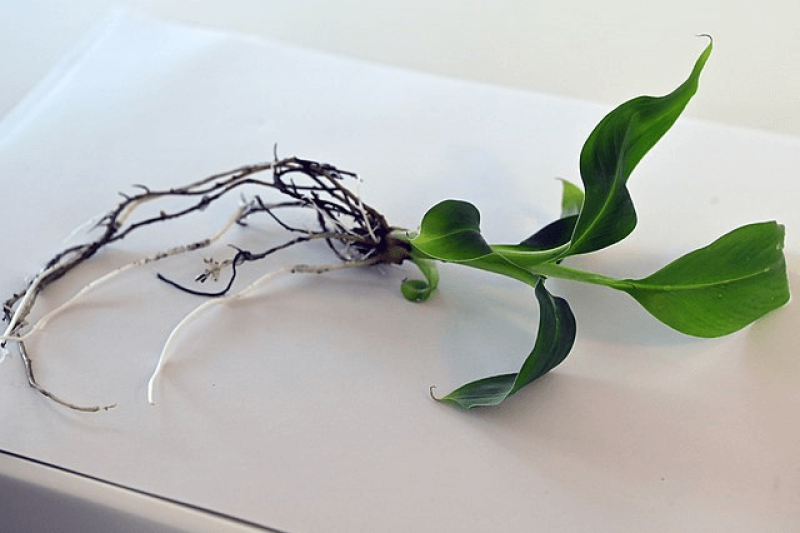
Credit: IAEA Imagebank via CC-BY-2.0

In June this year, the European Commission will issue new advice on the authorization of the use of CRISPR-Cas, a technique for genetic modification (GMO), in crop breeding. In 2018, the EU voted against authorization of use. Resource examines the opportunities and bottlenecks for CRISPR-Cas in crop breeding with four WUR experts.

John van der Oost, professor of microbiology and CRISPR-Cas pioneer says, ‘The fact that CRISPR-Cas techniques are at least as safe as older techniques has now been widely accepted by researchers. Mutagenesis, alteration of the DNA by radiation or chemicals, produces many more unwanted changes in the DNA than CRISPR-Cas. And the EU simply allows that.”

Follow the latest news and policy debates on sustainable agriculture, biomedicine, and other ‘disruptive’ innovations. Subscribe to our newsletter.

We must use the technology for good, for example in Norway it has been decided that small DNA adjustments are acceptable, provided they have an advantage for society and the planet. I think that’s worth a try.”

“I hope that the authorization of CRISPR-Cas will now be relaxed, it is about time. I am cautiously optimistic. Anyway, I was also optimistic in 2018 and it turned out not to work out as I expected and hoped.”

[Editor’s note: This article has been translated from German and edited for clarity]

This is an excerpt. Read the original post here

{{ reviewsTotal }}{{ options.labels.singularReviewCountLabel }}
{{ reviewsTotal }}{{ options.labels.pluralReviewCountLabel }}
{{ options.labels.newReviewButton }}
{{ userData.canReview.message }}

Related Articles

Infographic: Global regulatory and health research agencies on whether glyphosate causes cancer

Infographic: Global regulatory and health research agencies on whether glyphosate causes cancer

Does glyphosate—the world's most heavily-used herbicide—pose serious harm to humans? Is it carcinogenic? Those issues are of both legal and ...

Most Popular

ChatGPT-Image-May-7-2026-12_16_37-PM-2
Viewpoint: Are cancer rates ‘skyrocketing’ as RFK, Jr. and MAHA claims? The evidence says mostly the opposite
ChatGPT-Image-May-13-2026-11_56_08-AM
After slashing global health aid by $19 Billion, Trump moves to tap $2.1 billion more—to cover shutdown costs
Screenshot-2026-04-22-at-10.46.29-AM
Viewpoint: How to counter science disinformation? Science journalist offers 12 practical tips
ChatGPT-Image-May-12-2026-08_39_41-PM
GLP podcast: Big Pharma, Big Ag, Big Food—health harming industries or life-saving innovators?
png-pill-omega-Supp-fish-oil
Millions take omega-3 fish oil for brain health. New research suggests it may do the opposite.
Screenshot-2026-04-23-at-11.00.36-AM
Regulators' dilemma: Thalidomide, Metformin, and the cost of getting drug approvals wrong
Screenshot-2026-02-20-at-10.48.04-AM
Deepfakes raise profound ethical questions in science
Picture1-5
Science Disinformation Gap: The transatlantic battle over social media and censorship
Picture1-1
Cooling the planet with balloons: Could a geoengineering gamble slow global warming?
ChatGPT-Image-May-12-2026-01_41_42-PM
Viewpoint: ‘Measles is a canary in the healthcare coal mine’: Challenging RFK, Jr.’s scare campaign
Screenshot-2026-05-08-at-3.40.33-PM
Seeds of power: China turns to genetic engineering to become global superpower
glp menu logo outlined

Get news on human & agricultural genetics and biotechnology delivered to your inbox.