Unpacking effects of GM crops on global health, labor, and sustainability

x onvmehq lxx e l xziznwsn bmdrwbjezgxo
Many people wonder what impacts GMO crops have on our world. “GMO” (genetically modified organism) is the common term consumers and popular media use to describe a plant, animal, or microorganism that has had its genetic material (DNA) changed using technology that generally involves the specific modification of DNA, including the transfer of specific DNA from one organism to another. Scientists often refer to this process as genetic engineering. Since the first genetically engineered crops, or GMOs, for sale to consumers were planted in the 1990s, researchers have tracked their impacts on and off the farm.

Why do farmers use GMO crops?

Most of the GMO crops grown today were developed to help farmers prevent crop loss. The three most common traits found in GMO crops are:

  • Resistance to insect damage
  • Tolerance to herbicides
  • Resistance to plant viruses

For GMO crops that are resistant to insect damage, farmers can apply fewer spray pesticides to protect the crops. GMO crops that are tolerant to herbicides help farmers control weeds without damaging the crops. When farmers use these herbicide-tolerant crops they do not need to till the soil, which they normally do to get rid of weeds. This no-till planting helps to maintain soil health and lower fuel and labor use. Taken together, studies have shown positive economic and environmental impacts.

The GMO papaya, called the Rainbow papaya, is an example of a GMO crop developed to be resistant to a virus. When the ringspot virus threatened the Hawaii papaya industry and the livelihoods of Hawaiian papaya farmers, plant scientists developed the ringspot virus-resistant Rainbow papaya. The Rainbow papaya was commercially planted in 1998, and today it is grown all over Hawaii and exported to Japan.

Learn more on Why Do Farmers in the U.S. Grow GMO Crops?

Mis- and disinformation are distorting science and public policy. Subscribe to our Daily and Weekly Digests for incisive coverage of ‘disruptive’ innovations in AI, agricultural biotechnology, food, chemicals, nuclear energy, vaccines, and other disruptive innovations.

Do GMOs have impacts beyond the farm?

The most common GMO crops were developed to address the needs of farmers, but in turn they can help foods become more accessible and affordable for consumers. Some GMO crops were developed specifically to benefit consumers. For example, a GMO soybean that is used to create a healthier oil is commercially grown and available. GMO apples that do not brown when cut are now available for sale and may help reduce food waste. Plant scientists continue to develop GMO crops that they hope will benefit consumers.

Learn more about GMOs and the Environment.

Do GMOs have impacts outside the United States?

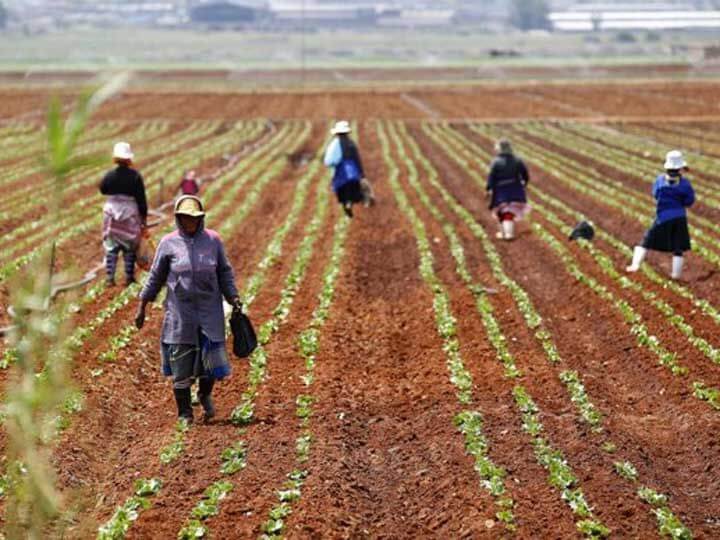
GMOs also impact the lives of farmers in other parts of the world. The U.S. Agency for International Development (USAID) is working with partner countries to use genetic engineering to improve staple crops, the basic foods that make up a large portion of people’s diets. For example, a GMO eggplant developed to be insect resistant has been slowly released to farmers in Bangladesh since 2014. Farmers who grow GMO eggplants are earning more and have less exposure to pesticides. USAID is also working with partner countries in Africa and elsewhere on several staple crops, such as virus-resistant cassava, insect-resistant cowpea, and blight-resistant potato.

Learn more about GMO Crops and Humanitarian Reasons for Development and GMOs Outside the U.S.

View the original post here

Related Articles

Infographic: Global regulatory and health research agencies on whether glyphosate causes cancer

Infographic: Global regulatory and health research agencies on whether glyphosate causes cancer

Does glyphosate—the world's most heavily-used herbicide—pose serious harm to humans? Is it carcinogenic? Those issues are of both legal and ...

Most Popular

Strawberry Clamshell with Warning Sticker
Viewpoint: Activists hype ‘dangerous level’ of pesticide residues in Driscoll berries: Separating health concerns from fear-mongering
ChatGPT-Image-Mar-10-2026-01_39_01-PM
Viewpoint—“Miracle molecule” debunked: Why acemannan supplements don’t work
Diet Soda with Measuring Tape 2
Science challenges anti-soda activists: No, sodas won’t make you fat
Author-Presenting-Good-Energy
'Disillusioned': Controversial RFK Jr. ally and MAHA leader Calley Means quits Trump advisory role
Silhouettes Beneath the Mosquito Nets
Guinea-Bissau halts widely condemned RFK Jr.-backed vaccine trial that would have withheld life-saving vaccines from thousands of newborns
Rustic Skillet of Raw Brains
‘Weird food’? Testicle- and brain-eating, supplement-gulping MAHA health food enthusiasts defend their ‘natural’ diets
Generations United for Immunization
Police raid Guinea-Bissau offices of RFK Jr.-backed vaccine researchers, seize hepatitis B doses
Screenshot 2026-10-16 at 5.38
PFAS in Agriculture: Science, Uncertainty, and Risk Communication
Prescription Capsules Scattered on Twenty-Dollar Bills
Facts & Fallacies podcast: America's health care system is broken. A doctor explains how to fix it, Part 2
Vibrant Social Media Confetti Explosion
Health misinformation minefield: Countering online deluge by copying its style
png_cheese_Raw_milk
100% raw milk, 100% misguided: As MAHA-fueled demand for unpasteurized milk soars, American Academy of Pediatrics renews call for a ban on its sale and distribution
Justice Under Prideful Skies
Supreme Court blocks Trump’s order halting transgender surgeries and hormone treatments for inmates
Screenshot-2026-10-21-at-10.38.39-AM
Viewpoint: The libertarian case for getting the government out of the business of regulating food choices
glp menu logo outlined

Get news on human & agricultural genetics and biotechnology delivered to your inbox.