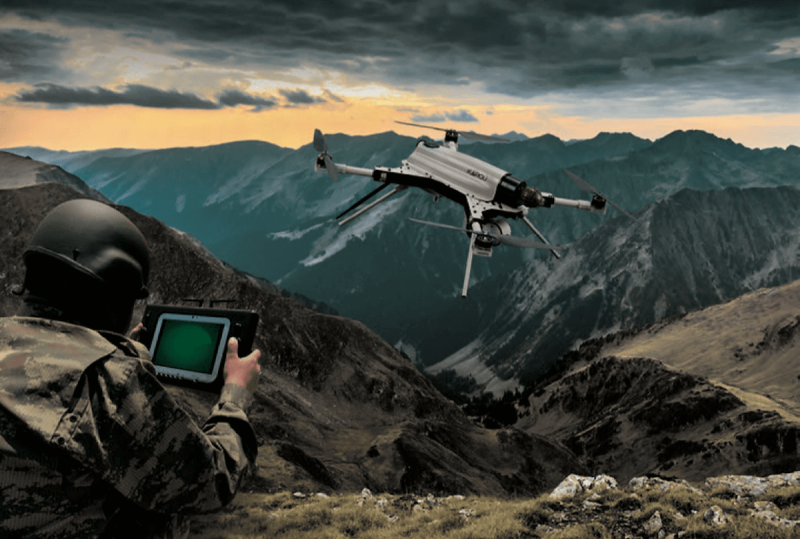
The pressure to outthink the enemy, along with huge flows of investment, donations and government contracts, has turned Ukraine into a Silicon Valley for autonomous drones and other weaponry.
What the companies are creating is technology that makes human judgment about targeting and firing increasingly tangential. The widespread availability of off-the-shelf devices, easy-to-design software, powerful automation algorithms and specialized artificial intelligence microchips has pushed a deadly innovation race into uncharted territory, fueling a potential new era of killer robots.
The most advanced versions of the technology that allows drones and other machines to act autonomously have been made possible by deep learning, a form of A.I. that uses large amounts of data to identify patterns and make decisions.
…

Major questions loom about what level of automation is acceptable. For now, the drones require a pilot to lock onto a target, keeping a “human in the loop” — a phrase often invoked by policymakers and A.I. ethicists. Ukrainian soldiers have raised concerns about the potential for malfunctioning autonomous drones to hit their own forces. In the future, constraints on such weapons may not exist.