Only 10% of all plastic ever made has been recycled. Here’s why — and how we can improve the recycling process

Only 10% of all plastic ever made has been recycled. Here’s why — and how we can improve the recycling process
Credit: Pixabay/ Hans

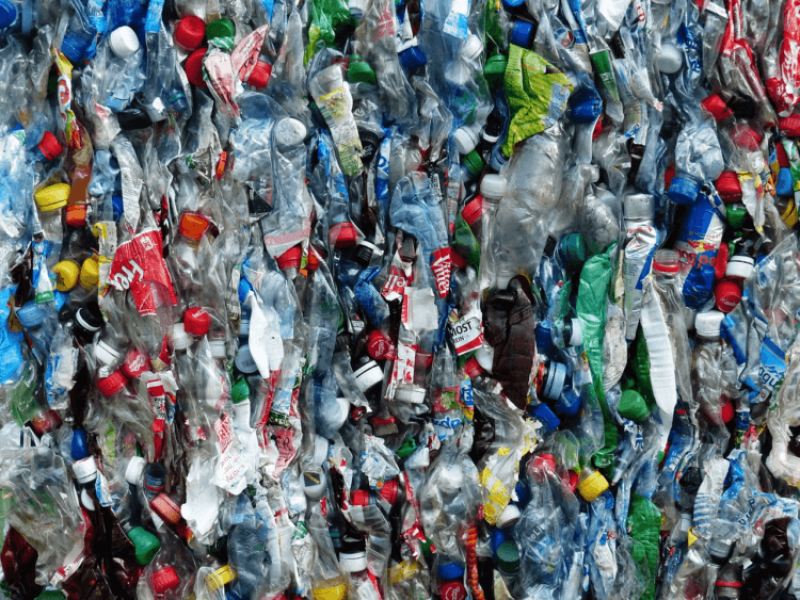
Only about 10% of the plastic ever made has been recycled; the vast majority winds up in landfills or in the environment.

Researchers have been working to address the problem by coming up with new recycling methods, sometimes called advanced, or chemical, recycling. My colleague Sarah Ward recently wrote about one new study where researchers used a chemical process to recycle mixed-fiber clothing containing polyester, a common plastic.

Follow the latest news and policy debates on sustainable agriculture, biomedicine, and other ‘disruptive’ innovations. Subscribe to our newsletter.

One major challenge for traditional recycling is that it requires careful sorting. That’s possible (if difficult) for some situations—humans or machines can separate milk jugs from soda bottles from takeout containers. But when it comes to other products, it becomes nearly impossible to sort out their components.

In the study Sarah wrote about, scientists demonstrated a process that can recycle a fabric made from a blend of cotton and polyester. It uses a solvent to break the chemical bonds in polyester in around 15 minutes, leaving other materials mostly intact.

If this could work quickly and at large scale, it might someday allow facilities to dissolve polyester from blended textiles, separating it from other fibers and in theory allowing each component to be reused in future products.


This is an excerpt. Read the full article here

{{ reviewsTotal }}{{ options.labels.singularReviewCountLabel }}
{{ reviewsTotal }}{{ options.labels.pluralReviewCountLabel }}
{{ options.labels.newReviewButton }}
{{ userData.canReview.message }}

Related Articles

Infographic: Global regulatory and health research agencies on whether glyphosate causes cancer

Infographic: Global regulatory and health research agencies on whether glyphosate causes cancer

Does glyphosate—the world's most heavily-used herbicide—pose serious harm to humans? Is it carcinogenic? Those issues are of both legal and ...

Most Popular

ChatGPT-Image-May-7-2026-12_16_37-PM-2
Viewpoint: Are cancer rates ‘skyrocketing’ as RFK, Jr. and MAHA claims? The evidence says mostly the opposite
Screenshot-2026-04-13-at-1.39.26-PM
Viewpoint: ‘Safer for children?’ Stonyfield yogurt under fire for deceptive organic marketing
Screenshot-2026-04-22-at-10.46.29-AM
Viewpoint: How to counter science disinformation? Science journalist offers 12 practical tips
png-pill-omega-Supp-fish-oil
Millions take omega-3 fish oil for brain health. New research suggests it may do the opposite.
Screenshot-2026-04-23-at-11.00.36-AM
Regulators' dilemma: Thalidomide, Metformin, and the cost of getting drug approvals wrong
ChatGPT Image May 14, 2026, 09_51_35 PM
Facebook swamped by hundreds of thousands of scam ads for illegal or dangerous medical products
ChatGPT Image May 12, 2026, 01_21_30 PM
How big health brands are funding online medical misinformation 
Picture1-1
Cooling the planet with balloons: Could a geoengineering gamble slow global warming?
ChatGPT-Image-May-12-2026-08_39_41-PM
GLP podcast: Big Pharma, Big Ag, Big Food—health harming industries or life-saving innovators?

Sorry. No data so far.

glp menu logo outlined

Get news on human & agricultural genetics and biotechnology delivered to your inbox.