‘Men could become genetic mothers, women could be fathers’: The next technology after IVF could change the way we view parenthood gender

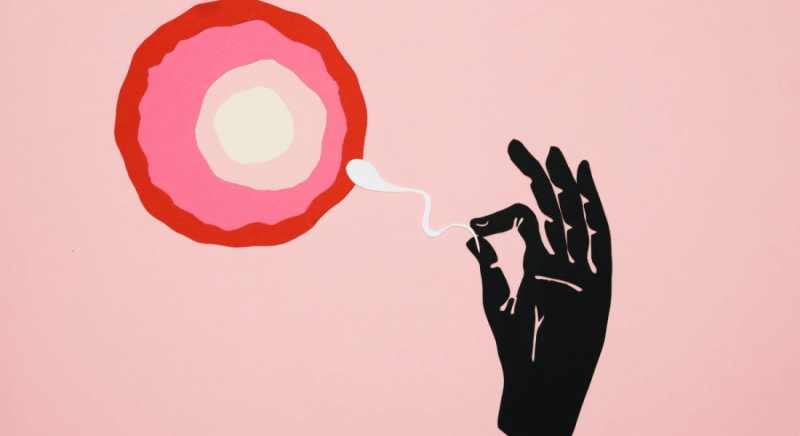
Credit:: purposedrivenlawyers.com

Consider in vitro gametogenesis, or I.V.G., a technology under development that would allow the creation of eggs or sperm from ordinary body tissue, like skin cells. Men could become genetic mothers, women could be fathers, and people could be the offspring of one, three, four or any number of parents.
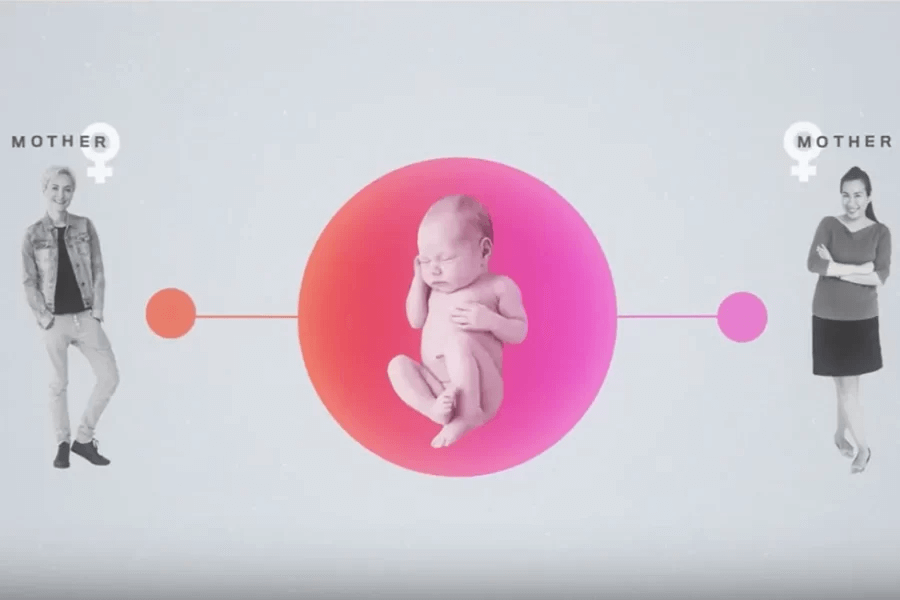
Credit: leaps.org

The first baby born via I.V.G. is most likely still a ways off — one researcher predicts it will be five to 10 years until the first fertilization attempt, although timelines for new biotech are often optimistic. But the bioethicist Henry Greely, noting the benefits of allowing same-sex couples to have genetic offspring and I.V.F. parents to pick the most genetically desirable of dozens or even hundreds of embryos, predicts that eventually, a vast majority of pregnancies in the United States may arise from this kind of technology.

Follow the latest news and policy debates on sustainable agriculture, biomedicine, and other ‘disruptive’ innovations. Subscribe to our newsletter.

Classical-liberal critics of assisted reproductive technology, among whom I count myself, argue that it can unethically turn the arrival of a child, which should be considered a gift, into a project. We undertake projects to realize our own ambitions. We exert control, select useful material to meet desired outcomes and throw out waste.


This is an excerpt. Read the original post here

{{ reviewsTotal }}{{ options.labels.singularReviewCountLabel }}
{{ reviewsTotal }}{{ options.labels.pluralReviewCountLabel }}
{{ options.labels.newReviewButton }}
{{ userData.canReview.message }}

Related Articles

Infographic: Global regulatory and health research agencies on whether glyphosate causes cancer

Infographic: Global regulatory and health research agencies on whether glyphosate causes cancer

Does glyphosate—the world's most heavily-used herbicide—pose serious harm to humans? Is it carcinogenic? Those issues are of both legal and ...

Most Popular

Screenshot-2026-05-01-at-1.29.41-PM
Viewpoint: What happens when whole grains meet modern food manufacturing? Labels don’t tell the whole story.
ChatGPT-Image-Mar-27-2026-11_47_30-AM-2
FDA’s expedited drug reviews are hailed in some quarters but other approval practices are problematic
ChatGPT-Image-Apr-13-2026-02_20_22-PM
Viewpoint: Misinformation infodemic? Why assessing evidence is so challenging 
Farmers can talk to plants
Farmers are a major source of misinformation—about farming
S
As vaccine rejectionism spreads, measles may be taking a more dangerous turn
What explains Homo sapiens’ huge brains? Ancient climate change played a role
Viewpoint: Internal White House documents detail administration’s strategy to undermine climate science
Screenshot-2026-04-20-at-2.26.27-PM
Viewpoint — Food-fear world: The latest activist scientists campaign: Cancer-causing additives
ChatGPT-Image-May-7-2026-11_28_04-AM-2
‘Conflict entrepreneurs’ are driving disinformation and shaping public opinion
bigstock opioids on chalkboard with rol
GLP podcast: 'Safe injection sites': enabling drug addiction or saving lives?
ChatGPT-Image-May-6-2026-03_41_05-PM
‘Protecting the integrity of science’: Kennedy’s FDA blocks release of taxpayer-funded studies finding COVID and shingles vaccines safe
Screenshot 2026-05-06 at 2.19
Vaccine shootout at the CDC 
Screenshot-2026-05-06-at-2.07.43-PM
Manufacturing a conspiracy: The timeline of how  the White House embraced the fringe claim that scientists are being mysteriously murdered
circular-bioeconomy-should-focus-on-sustainable-wellbeing
GLP podcast: What's wrong with 'doomsday' environmentalism? It's false.

Sorry. No data so far.

glp menu logo outlined

Get news on human & agricultural genetics and biotechnology delivered to your inbox.