Eating disorders in young people linked to genetics and delayed brain maturation

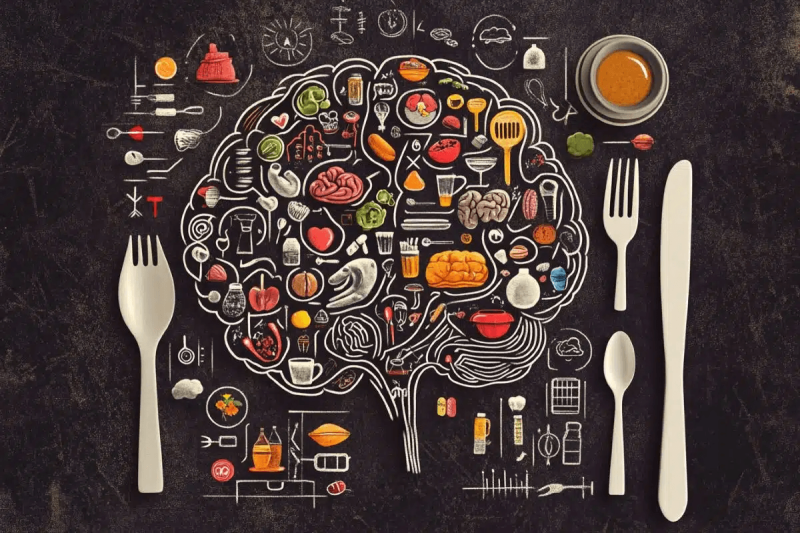
In particular, reduced maturation of the cerebellum – a brain region that controls appetite – helped explain the link between genetic risk for high BMI and restrictive eating behaviours at age 23. Credit: Neuroscience News

Over half of 23-year-olds display restrictive, emotional, or uncontrolled eating behaviors, with delayed brain maturation playing a significant role. The research linked structural brain differences, mental health challenges, and genetic predispositions to the development of disordered eating behaviors from adolescence to adulthood. MRI data showed delayed cortical thinning in unhealthy eaters, especially in regions like the cerebellum, which regulates appetite.

Follow the latest news and policy debates on sustainable agriculture, biomedicine, and other ‘disruptive’ innovations. Subscribe to our newsletter.

Restrictive eaters exhibited higher levels of dieting, while emotional/uncontrolled eaters displayed increased binge eating and mental health symptoms over time. These findings suggest [that] targeted interventions that address mental health and eating behaviors could mitigate risks and improve outcomes.


This is an excerpt. Read the original post here

{{ reviewsTotal }}{{ options.labels.singularReviewCountLabel }}
{{ reviewsTotal }}{{ options.labels.pluralReviewCountLabel }}
{{ options.labels.newReviewButton }}
{{ userData.canReview.message }}

Related Articles

Infographic: Global regulatory and health research agencies on whether glyphosate causes cancer

Infographic: Global regulatory and health research agencies on whether glyphosate causes cancer

Does glyphosate—the world's most heavily-used herbicide—pose serious harm to humans? Is it carcinogenic? Those issues are of both legal and ...

Most Popular

d-b
Blocked arteries, kidney stones, nausea, constipation, fatigue: Long list of health problems caused by too much vitamin D 
Screenshot-PM-24
Viewpoint: The herbicide glyphosate isn’t perfect. Banning it would be far worse.
ChatGPT-Image-Apr-30-2026-12_21_05-PM-2
The tech billionaires behind the immortality movement
ChatGPT-Image-Apr-30-2026-05_00_48-PM
Wellness grifter physician turned wellness influencer out as surgeon general nominee
ChatGPT-Image-Mar-27-2026-11_27_05-AM
The myths of “process”: What science says about the “dangers’ of synthetic products and ultra-processed foods

Sorry. No data so far.

glp menu logo outlined

Get news on human & agricultural genetics and biotechnology delivered to your inbox.