
What are Tariffs and the Impact of U.S. Tariff Imposition
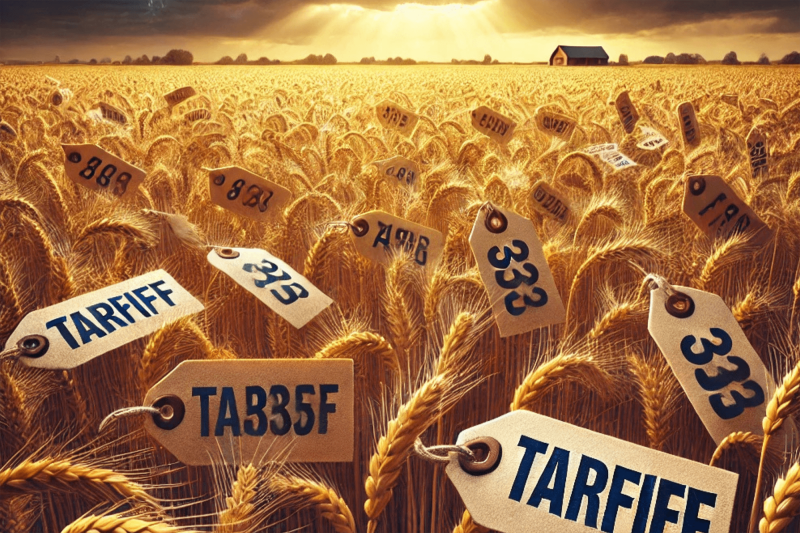
Tariffs are trade protection tools that are adopted by countries to protect domestic industries. The importing country levies taxes on the goods imported to protect domestic manufacturers and reduce competition for domestic manufacturers. The taxes levied on the products cause the price of the imported goods to increase compared to domestically manufactured products, which in turn forces consumers to switch from imported products to domestic products.
In the context of the U.S., the country wants to reduce reliance on other countries, especially China, enhance its domestic production facilities, and create domestic supply chains inside the U.S. This move is expected to bring down inflation, create more jobs, and export products to other countries instead of importing and thus reducing the trade imbalance in the process.
- The trade deficit in agriculture is expected to reach USD 49 billion in 2025. According to reports published by the U.S. ERS, exports grew at 1% annually from 2014 to 2024. In 2023, the deficit between imports and exports was USD 21 billion.
Key Countries most affected by the tariffs.
The list below provides a glimpse of the U.S. tariffs and counter-tariffs by other countries on agricultural products.
Tariffs Imposed by the U.S. on Some of the Key Agricultural Commodity Exporters
| Country | Items | Tariff | Revised Tariff |
| China | Fruits, Vegetables, Spices, Tea, and Others | 34% | 145% |
| Mexico | Non-USMCA products | 25% | NA |
| Canada | Non-USMCA products | 25% | NA |
| Indonesia | Fruits, Vegetables, Grains, Feed Ingredients | 32% | 10% |
| Côte d’Ivoire | Cocoa And Cocoa Preparations | 21% | 10% |
| India | Tree Nuts, Spices, Basmati Rice, Fresh
and Processed Fruits, and Vegetables |
26% | 10% |
| Laos | Coffee, Rice, Maize, And Vegetables | 48% | 10% |
| Brazil | Fruits, Vegetables, Coffee, Grains, Sugar,
Meat Products, and Others |
10% | 10% |
| Europe | Cheese, Olive Oil, Processed Fruits
and Vegetables, Nuts, and Grains |
20% | 10% |
Retaliatory Tariffs Imposed on U.S. by Other Countries
| Country | Items | Retaliatory Tariff | Revised Retaliatory Tariff |
| China | Chicken, Corn, Wheat, Sorghum, Soybeans, Pork, Beef, and Others | 10% | 125% |
| Canada | Fresh Fruits, Poultry, And Dairy | 25% | NA |
| Mexico | Non-USMCA products | 25% | NA |
| Europe | Soybeans, Almonds, Poultry, And Other Agricultural Goods | 25% | NA |
Tariff Levied on Agricultural Products Exporting Countries to U.S.:
| Country | Products | Tariff | Revised Tariff |
| European Union | Seed, Fertilizer, Crop Protection Chemical, Agricultural Biologicals | 20% | 10% |
| China | Seed, Crop Protection Chemical | 10% | 10-125% |
| India | Seed, Crop Protection Chemical | 26% | 10% |
| Vietnam | Seed, Fertilizer | 10-46% | 10% |
| Canada | Seed, Fertilizer, Crop Protection Chemical, Agricultural Biologicals | 25% | NA |
| Mexico | Fertilizer, Crop Protection Chemical, Agricultural Biologicals | 25% | NA |
| Saudi Arabia | Fertilizer | 10% | NA |
| Qatar | Fertilizer | 10% | NA |
| Israel | Fertilizer | 10% | NA |
Impact on Global Supply Chains:
China Market:
After the last Trade war during Trump’s first tenure in office, China has taken significant steps to reduce dependence on U.S. goods. The country increased research and development of new farm machinery and undertook steps to boost domestic manufacturing of farm equipment. This helped the country reduce reliance on foreign imports. The government has also been taking several steps to improve food security and reduce dependence on the U.S. by diversifying its supply chain, boosting domestic agriculture through advanced technology, establishing strong policies such as the National Food Security Law, and identifying alternatives that can be used in animal feeds.

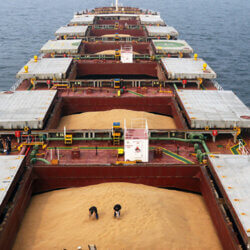



U.S. government policies to bring China into the negotiation table may not seem to become successful as China imposed retaliatory tariffs against the U.S. Several key agriculture, animal feed, and crop protection companies such as Darling Ingredients, Mountain Farms, Deere & Co, CNH, and others will face significant challenges both in the short and long term.
- As per a list issued by the Ministry of Finance of China, 50 U.S. farm equipment providers of the U.S. are subjected to 10% retaliatory tariffs imposed by China.
- In April 2025, China suspended the import of poultry products from American Proteins, Mountaire Farms of Delaware, and Darling Ingredients.
The U.S. also trades a significant proportion of its agricultural products with China, and the imposition of retaliatory tariffs on U.S. agri goods is expected to make imported products costly, reducing sales in China. Moreover, China is the largest trading partner of the U.S., wherein it is the largest importer of grains, the second largest importer of nuts and seeds, and the third largest importer of meat products. As China is the key market for trading agricultural products in the Asia Pacific region, food-exporting states of the U.S. are expected to be significantly hit by tariff escalation between the countries.
Table 01: Import of Agriculture and Agriculture-Related Products from the U.S. to China in 2024
| Crop/Product | Import Value in USD Billion |
| Soybean | 12.76 |
| Cotton | 1.48 |
| Wheat | 0.56 |
| Corn | 0.33 |
| Coarse Grain | 1.26 |
| Beef | 1.58 |
| Pork | 1.11 |
| Seafood | 1.02 |
| Dairy | 0.58 |
Other Markets:
Apart from China, the imposition of tariffs on all countries created tensions and uncertainty among businesses across industries. Farmers and manufacturers are scrambling to stockpile products and equipment. Animal feed products imported to the U.S. from Canada, Mexico, Chile, Australia, and others are expected to become expensive, which will reduce farmers’ profit margins and could potentially lead to the financial collapse of the farms.
- The cost of imported fruits and vegetables such as Avocado can increase which in turn will increase the price of Avocado based dishes such as Guacamole.
- As per the estimate of Yale University, Import of Cocoa will become expensive, due to which the average price of chocolates can increase by at least an average of 3%.
Strategies of Business to Cope with the Challenges
As the Government of the U.S. is in discussion with its trading partners, industries are developing plans to mitigate the risk and develop strategies to absorb market shocks and sustain business growth both in the short term and long term.
- Assess and plan their risk mitigation strategy:
Agri-Equipment manufacturers are evaluating their production capacities in different countries and trying to create a forecast of the demand for their products in the coming months.
- Adoption of China+1 Strategy:
As reshoring and nearshoring strategies are not viable in the short term, companies have to identify other countries to as an alternative source for their raw materials.
- Cost Sharing with the Partners:
Trading partners can collaborate to split the cost of tariffs and reduce the burden of tariffs and other expenses.
- Adoption of alternative materials:
Companies can also identify other viable raw material alternatives that can reduce dependency on nations heavily impacted by the tariffs.