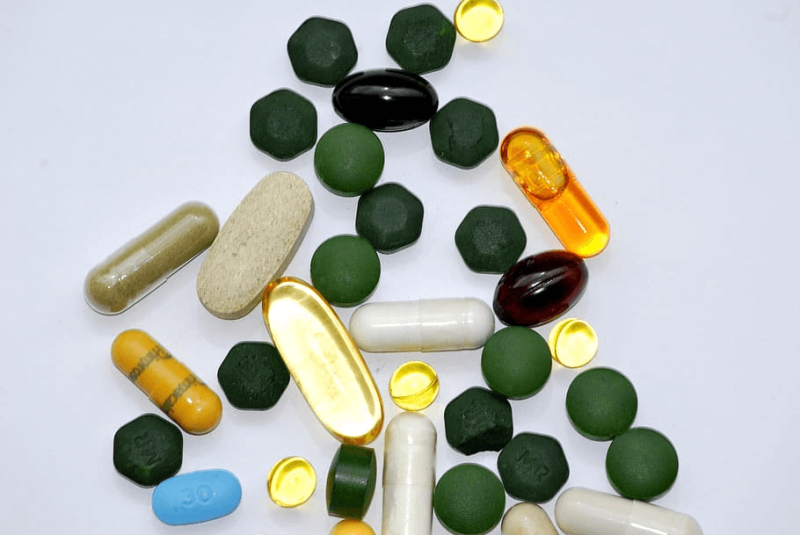
Three in four Americans take at least one dietary supplement, according to the U.S. Food and Drug Administration. Many people take them with the intention to boost overall health or as an alternative to pharmaceutical drugs — but supplements are not medicines and “are not intended to treat, diagnose, prevent, or cure diseases,” the FDA says.
…
“What makes some [supplements] dangerous is the fact that most people think they cannot hurt and are always safe, so the suspicion is that a large amount of patients do not mention it to their doctor,” says [Dr. Julia Adamian, an internist at NYU Langone Health].
The experts also warn against buying trendy supplement blends online or through social media. “If it’s from a brand that hasn’t been around for long, and it’s a proprietary formula or they’re not fully disclosing what’s in it, stay away from that stuff,” says [Dr. Zachary Mulvihill, integrative medicine expert at Weill Cornell Medicine and NewYork-Presbyterian].
Vitamin A
Vitamin B6
St. John’s Wort

Black Cohosh
Tumeric
Kava
Green Tea Extract
This is an excerpt. Read the original post here