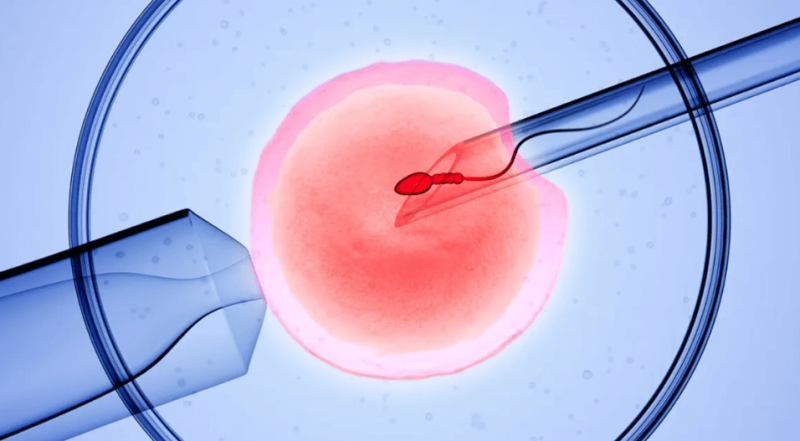
In-vitro fertilization has produced more than 13 million babies since its inception in the late 1970s, but it remains a highly manual process. Medical specialists move from station to station in a lab, aspirating tiny egg follicles from bloody, debris-strewn fluid and picking the best sperm swimming …. Using a needlelike pipette, they push the sperm into the center of an egg many times smaller than a grain of rice. The process … is notoriously delicate … — one reason IVF, in the best cases, works only about half the time.
Yet quietly, over the past three years, babies have been conceived — and at least 20 of them have been born — through clinical trials that involve automation with little to no human intervention. The same algorithmic computer-vision software that helps autonomous vehicles spot objects … can instantaneously detect the most robust swimmer among hundreds of thousands of flailing, corkscrewing sperm …. It’s a capability that far exceeds any trained embryologist’s eye. A robotic arm can collect that sperm and mix the chemicals required for an egg to stay viable. And it can delicately and reproducibly fertilize an egg, initiating the moment of conception.
This is an excerpt. Read the original post here