How will climate change affect the flowers of the future?

Credit: Society of American Florists

We might notice the time of year they bloom and connect that to our changing climate. Perhaps we are familiar with their cycles: bud, bloom, wilt, seed. Yet flowers have much more to tell in their bright blooms: The very shape they take is formed by local and global climate conditions. 

The form of a flower is a visual display of its climate, if you know what to look for. In a dry year, its petals’ pigmentation may change. In a warm year, the flower might grow bigger. The flower’s ultraviolet-absorbing pigment increases with higher ozone levels. As the climate changes in the future, how might flowers change? 

Mis- and disinformation are distorting science and public policy. Subscribe to our Daily and Weekly Digests for incisive coverage of ‘disruptive’ innovations in AI, agricultural biotechnology, food, chemicals, nuclear energy, vaccines, and other disruptive innovations.

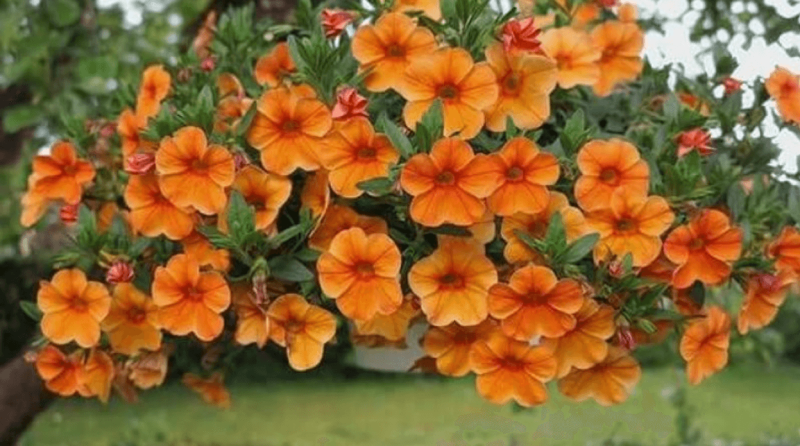
An artistic research project called Plant Futures imagines how a single species of flower might evolve in response to climate change between 2023 and 2100 …. The project has created one flower for every year from 2023 to 2100. The form of each one is data-driven, based on climate projections and research into how climate influences flowers’ visual attributes. 

This is an excerpt. Read the original post here

Related Articles

Infographic: Global regulatory and health research agencies on whether glyphosate causes cancer

Infographic: Global regulatory and health research agencies on whether glyphosate causes cancer

Does glyphosate—the world's most heavily-used herbicide—pose serious harm to humans? Is it carcinogenic? Those issues are of both legal and ...

Most Popular

ChatGPT-Image-Mar-10-2026-01_39_01-PM
Viewpoint—“Miracle molecule” debunked: Why acemannan supplements don’t work
Screenshot 2026-11-23 at 11.51
Calley Means’ demonization of glyphosate is ‘just craziness’. Farmers are responding with science.
Screenshot-2026-11-16-at-2.37.32-PM
30 years of GMO farming: Is the boom in glyphosate and glufosinate use harming the environment? Data show they’re the most sustainable choice
Neon-AI-Globe-Network
Viewpoint: The three biggest threats posed by AI hyper-intelligence
Pastel Breakfast Pedestals with Yogurt Bowl
RFK Jr. is about to issue an edict defining ultra-processed foods. What could go wrong?
glp menu logo outlined

Get news on human & agricultural genetics and biotechnology delivered to your inbox.