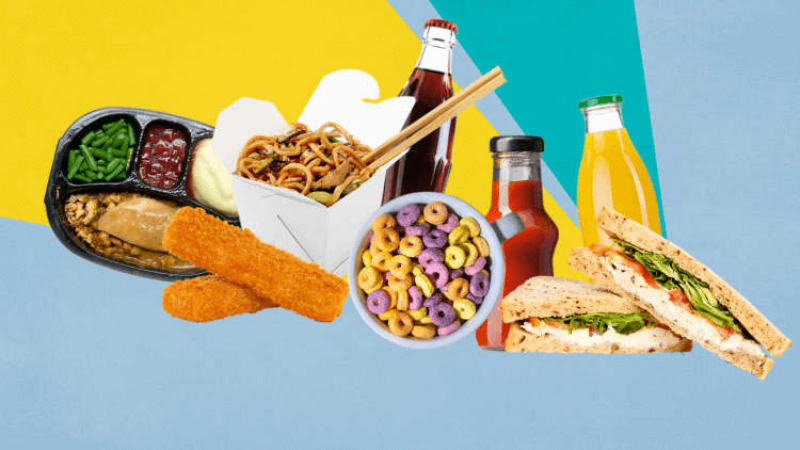
In the past half century, nutrition scientists have blamed health conditions such as obesity, diabetes, and heart disease on many features of the American diet, including sugary beverages and saturated fat. These factors surely contribute to Americans’ uniquely poor health. But Kevin Hall, the N.I.H. study’s principal investigator, was researching a possible culprit that wasn’t named until the twenty-first century: ultra-processed food. The problem, Hall believed, might have less to do with high levels of sodium or cholesterol than with industrial techniques and chemical modifications.
…
A focus on a food’s level of processing can lead to odd conclusions, however. Julie Hess, a research nutritionist at the U.S. Department of Agriculture, has pointed out that “ultra-processed food” puts canned kidney beans and gummy bears into the same category. Processing also has some benefits. It prevents food from going bad or being contaminated during storage and transport … and it helps the world feed a growing population. Walter Willett, a Harvard professor who may be the most cited nutrition researcher in the world, argues that studies like Hall’s are “worse than worthless—they’re misleading.”
…

Hall’s original study, which has been cited nearly two thousand times, was the first randomized trial demonstrating that ultra-processed foods disrupt our metabolic health and lead people to overeat. It was hugely influential and is widely recognized as the most rigorous examination of the subject so far. … It also sparked controversy and opposition. By necessity, the study was conducted in a highly artificial environment. Some of its findings might not have persisted; in the second week that participants ate an ultra-processed diet, for example, their excess calorie consumption started to fall.
One of the largest studies of ultra-processed foods, led by researchers at Harvard—including Willett, the critic of Hall’s study—divided ultra-processed foods into ten subgroups. (The study was based on survey data from more than two hundred thousand people, rather than a double-digit number of people in metabolic chambers.) Its conclusions were more complicated than Hall’s. Two types of ultra-processed foods (sugary sodas and processed meats) increased people’s risk of cardiovascular disease, but three types (breads and cold cereals, certain dairy products such as flavored yogurts, and savory snacks) seemed to decrease their risk. Another five didn’t appear to affect it at all. “Some food additives are good, some are bad, most are probably neutral,” Willett told me.