Viewpoint: Selective pronatalism: The radical “ethical” case challenging parents’ right to end a pregnancy when a fetus has a severe genetic disorder

Credit: Manchester Fertility

Even if polygenic embryo screening worked exactly as advertised, it could still do real social damage. That’s the argument from Gaia Ghirardi of the WZB Berlin Social Science Center, Arno Van Hootegem of the Norwegian Institute of Public Health and K. Paige Harden of the University of Texas at Austin in a correspondence published in Nature Human Behaviour.

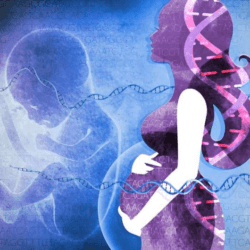
The technology, known as PGT-P, lets IVF patients rank embryos using polygenic scores, statistical estimates that pool the tiny effects of many genetic variants. The authors set aside whether those predictions work and argue that commercialization itself is the problem.

Their lead concern is “selective pronatalism,” which they define as “policies and discourses that encourage childbearing among specific, allegedly desirable groups.” They contrast it with universal family policies like paid parental leave, built on the premise that “reproduction is a collective good.” They also warn of commodification and a shift in the moral burdens of parenthood, concluding that “PGT-P commercialization presents a new source of stigma and pressure for parents and will widen reproductive inequalities.”

Mis- and disinformation are distorting science and public policy. Subscribe to our Daily and Weekly Digests for incisive coverage of ‘disruptive’ innovations in AI, agricultural biotechnology, food, chemicals, nuclear energy, vaccines, and other disruptive innovations.

It’s a striking reframe. Earlier critics asked whether polygenic scores deliver. This argument targets the act of choosing itself, recasting a private medical decision as a social harm.
Taken to its conclusion, that logic doesn’t stop at IVF. Prenatal testing for severe genetic disorders such as Tay-Sachs or trisomy 13 also lets parents decide which pregnancies continue. If selecting among embryos is a source of “stigma and pressure,” the same charge could be leveled at parents who end a pregnancy after a devastating diagnosis, a decision long seen as theirs to make.


Read the original article here

Related Articles

Infographic: Global regulatory and health research agencies on whether glyphosate causes cancer

Infographic: Global regulatory and health research agencies on whether glyphosate causes cancer

Does glyphosate—the world's most heavily-used herbicide—pose serious harm to humans? Is it carcinogenic? Those issues are of both legal and ...

Most Popular

ChatGPT-Image-Mar-10-2026-01_39_01-PM
Viewpoint—“Miracle molecule” debunked: Why acemannan supplements don’t work
psychedelics ptsd neurosciencnews public
Chaos or at peace with the world: The complex ways psychedelics transform the brain
Diet Soda with Measuring Tape 2
Science challenges anti-soda activists: No, sodas won’t make you fat
Strawberry Clamshell with Warning Sticker
Viewpoint: Activists hype ‘dangerous level’ of pesticide residues in Driscoll berries: Separating health concerns from fear-mongering
Rustic Skillet of Raw Brains
‘Weird food’? Testicle- and brain-eating, supplement-gulping MAHA health food enthusiasts defend their ‘natural’ diets
Silhouettes Beneath the Mosquito Nets
Guinea-Bissau halts widely condemned RFK Jr.-backed vaccine trial that would have withheld life-saving vaccines from thousands of newborns
Nutrition and Supplements Infinity Collage
Drugs and supplements can extend life and five other longevity myths
glp menu logo outlined

Get news on human & agricultural genetics and biotechnology delivered to your inbox.