Scientists say IARC fumbled glyphosate carcinogenic determination

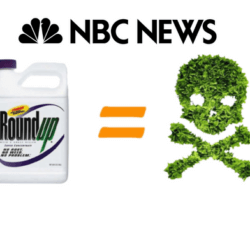
Glyphosate, a widely used herbicide, joined the World Health Organisation (WHO)’s list of things that “probably” cause cancer on Friday, March 20th.

The WHO’s International Agency for Research on Cancer (IARC) published an explanation of its report in The Lancet Oncology, which summarized the research it used to class glyphosate as “probably carcinogenic.” Other agents with that classification include anabolic steroids and “shift work that involves circadian disruption.”

It didn’t take long for scientists to weigh in on IARC’s report, and many doubt glyphosate actually poses a risk of cancer to people — especially at the levels found in food or the water supply.

‘The evidence appears a bit thin’

Some scientists noted that the IARC report doesn’t contain any new research, and pointed to flaws in the studies the IARC chose to support its classification. They also noted that IARC looks at whether a substance has the potential to cause cancer, rather than the probability it will considering the way it’s used in the real world.

“For human epidemiological studies there are seven cohort and 14 case control studies [of glyphosate exposure], none of which support carcinogenicity,” Berry told Science Media Centre. (Berry is an industry consultant who also spoke on a Monsanto media briefing call.)
And those studies were in farm workers with occupational exposure, which would put them at high risk if glyphosate was in fact carcinogenic.

Kathryn Guyton, a senior toxicologist at the IARC and one of the authors of the report, told Nature News that the IARC is indeed selective: The panel considered studies published in peer-reviewed publications and government reports, and excluded those submitted by industry groups.

Read full, original article: Here’s what scientists think about the WHO saying Monsanto’s pesticide ‘probably causes cancer’

Related Articles

Infographic: Global regulatory and health research agencies on whether glyphosate causes cancer

Infographic: Global regulatory and health research agencies on whether glyphosate causes cancer

Does glyphosate—the world's most heavily-used herbicide—pose serious harm to humans? Is it carcinogenic? Those issues are of both legal and ...

Most Popular

Weed Killer, Gavel, and Cash on Wood Table
Who were the biggest winners in Bayer’s $7.25 billion glyphosate settlement? The tort lawyers, natch
Donkey Symbol Meets Speaking Politician
Democrats’ bid to win over MAHA voters faces a hard limit: Their loyalty to RFK Jr.
ChatGPT-Image-Mar-10-2026-01_39_01-PM
Viewpoint—“Miracle molecule” debunked: Why acemannan supplements don’t work
PFAS Molecules and Hazard Icons
Viewpoint: $$$ Billions of reasons why environmental activists are trying to slap a ‘killer PFAS’ label on many safe and essential ‘forever chemicals’
Screenshot-2026-11-24-at-11.07.44-AM
Here's a sure way to increase testosterone levels and jack up your sex drive
Pastel Breakfast Pedestals with Yogurt Bowl
RFK Jr. is about to issue an edict defining ultra-processed foods. What could go wrong?
Screenshot-2026-11-16-at-2.37.32-PM
30 years of GMO farming: Is the boom in glyphosate and glufosinate use harming the environment? Data show they’re the most sustainable choice
Neon-AI-Globe-Network
Viewpoint: The three biggest threats posed by AI hyper-intelligence
Glassy Molecules Above Floral Pads
Viewpoint: ‘Forever' PFAS chemicals in panty liners? The only ‘forever’ truth is endless lawsuits that do not protect women’s health 
Florida Varicella Vaccine Syringe Scene
Chickenpox, Hib, Pneumococcus, Hepatitis B: Florida poised to drop requirements for 4 life-protecting vaccines
glp menu logo outlined

Get news on human & agricultural genetics and biotechnology delivered to your inbox.