How DNA testing transformed matchmaking in Orthodox Jewish community

top img temp

In 1983, the wife of ultra-orthodox Brooklyn rabbi Yosef Eckstein, gave birth to their fifth child. But the couple’s happiness was short-lived: The child was soon diagnosed with Tay–Sachs disease, a genetic disorder that affects the nervous system. Over time, the child would experience developmental delays, become paralyzed, and die before the age of five.

Since Tay–Sachs is passed on through genes and Hasidic Jews don’t allow abortion, they felt there was nothing they could have done. Eckstein learned about efforts in the larger Jewish community to reduce the prevalence of Tay–Sachs disease by doing genetic tests for couples before they had a child, but it hadn’t caught on in the Hasidic community, mostly due to mistrust of the outside world and the stigma a diagnosis could bring to a family. So Eckstein developed a genetic screening program that would prevent two Tay–Sachs carriers from having children, thereby reducing the prevalence of the disease, while keeping the results as discrete as possible. He called it Dor Yeshorim, the righteous generation.

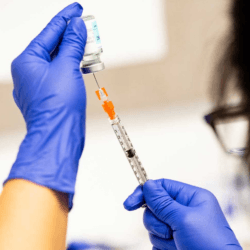
So Eckstein devised a way to screen for the recessive gene while still keeping the results anonymous. High schoolers who were not yet engaged would have a blood sample drawn for the DNA test. But they would never see their results—instead, the results went to Dor Yeshorim, while each person would receive an identification number. Later on, when a marriage was proposed, the families or the shadchan would call the Dor Yeshorim hotline with the two anonymous identification numbers for the potential couple.
The GLP aggregated and excerpted this blog/article to reflect the diversity of news, opinion and analysis. Read full original post: Blessed by Science: How Genetic Medicine Changed a Strictly Religious Community

Related Articles

Infographic: Global regulatory and health research agencies on whether glyphosate causes cancer

Infographic: Global regulatory and health research agencies on whether glyphosate causes cancer

Does glyphosate—the world's most heavily-used herbicide—pose serious harm to humans? Is it carcinogenic? Those issues are of both legal and ...

Most Popular

eden green vertical farm facility
Why vertical farming is not the panacea for our food production crisis that its proponents claim
Professional Portrait Earth Backdrop
Viewpoint: November 13 is the long-predicted global doomsday. How a respected scientist got population growth catastrophe predictions so spectacularly wrong—fueling decades of junk science
Energetic Speaker on Stage
Viewpoint: Why are the stars of the MAHA revolution standing by convicted rapist — and conservative firebrand — Russell Brand?
ChatGPT-Image-Mar-10-2026-01_39_01-PM
Viewpoint—“Miracle molecule” debunked: Why acemannan supplements don’t work
Watercolor U.S
Cataloging the science-denying road to America losing its global measles-free status
Fluorescent and Natural Leaf Comparison
Here’s how biotechnology can reduce threats from disease and pests without resorting to sometimes-problematic chemicals
Screenshot-2026-11-12-at-12.18.49-PM
Viewpoint: AI and ‘superspecies’: Bernie Sanders on the American oligarchy’s dangerous plans
Tropical Yacht Conversation
Kennedy faces Congressional ethics investigation for accepting massive gifts from anti-vaccine and ketamine wellness grifter
Screenshot-2026-11-09-at-3.01.19-PM
Are Texas data centers killing calves? Debunking viral AI claims
Testosterone-and-NATO-Editorial-Collage
Unintended consequences: Hegseth’s proposed controversial ‘low testosterone’ screen could flag 150,000 Army men. What happens next?  
glp menu logo outlined

Get news on human & agricultural genetics and biotechnology delivered to your inbox.