


The GLP aggregated and excerpted this blog/article to reflect the diversity of news, opinion and analysis.
A recent popular media narrative portrays Big Ag and food companies as hiring hordes of professional lobbyists to further their interests at the expense of virtuous “good food” companies, which can’t afford to lobby.
However, with the advent of social media, the Internet and heavily-funded front groups that have no donor disclosure requirements, the scope of “lobbying” has expanded. The reality is that the organic industry is doing plenty of “lobbying.”
Much of the funding for the lobbying is laundered through “non-profits” that claim to be motivated solely by the common good. Two of the organic industry’s biggest—and most pernicious–activist groups, the Environmental Working Group and the Center for Food Safety raised more than $42 million from undisclosed donors between 2009 and 2013. Although they like to portray themselves as public interest groups, they are undeniably lobbying organizations for special interests: EWG and CFS work to sway consumer opinion and advance public policies favorable to a pro-organic, anti-conventional-farming agenda.
Of course, retaining a top lobbyist is only one way to make friends and influence people in Washington, DC. A more direct way, and one far more appreciated by elected officials, is donating to political campaigns. And on this score, several “good food” executives have been quite generous.
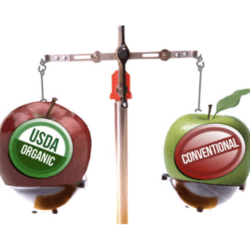



The organic advocates’ greatest fear is that the current gap between organic and conventional agriculture will become a chasm, as modern technologies and products that are unavailable to organic farmers become ever more efficient, productive and sustainable.
Organic agriculture’s dirty little secret is that it is kept afloat only by massive subsidies and constant nurturing by a variety of USDA agencies, projects and programs.
Read full, original post: Government Favors And Subsidies To Organic Agriculture: Follow The Money
























