GMOs essential to life-saving medicines and other uses, even if you don’t want them in food

Screen Shot at PM

The GLP aggregated and excerpted this blog/article to reflect the diversity of news, opinion and analysis.

GMOs in agriculture are just one small part of a much bigger story. GMO science and its applications are everywhere around us. And GMO technology is saving lives every day.

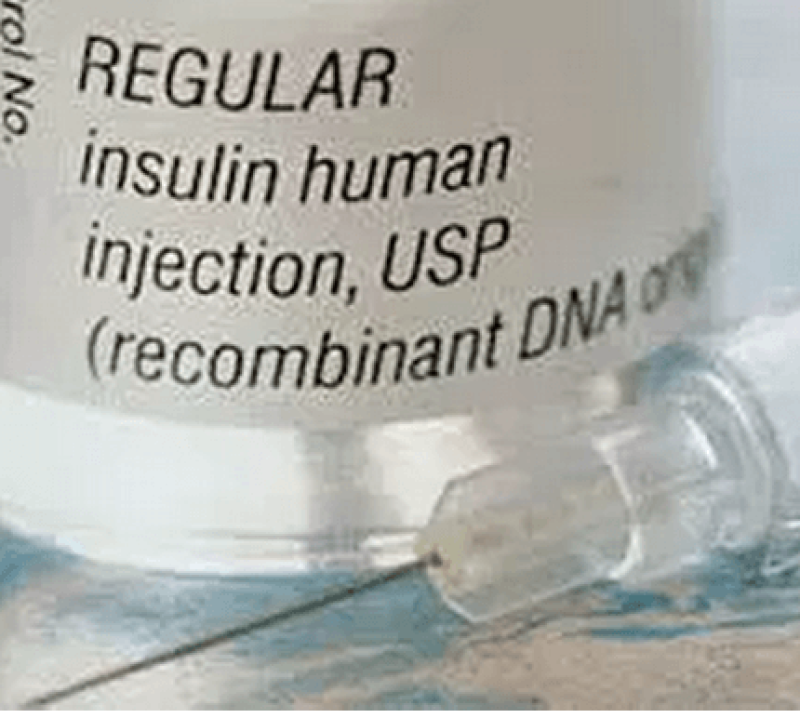
GMOS are found in life-enhancing and life-saving medicines. Take diabetes. In the past insulin was derived from slaughtered pigs and sometimes caused allergic reactions. In the late 1970s and early 1980s, scientists developed a new form of insulin made by genetically modified bacteria. GMO proteins like this “actually have an enhanced safety profile.”

Several forms of cancer, including brain, colorectal and cervical, are commonly treated with a marvel of GMO technology called Avastin bevacizumab. People who suffer from anemia, many take epoetin alfa, a hormone produced through genetic modification.

GMO vaccines to fight cholera, malaria, and many other diseases for which non-GMO methods have proved ineffective are under development.

Even the enzymes used in laundry detergents today have been genetically modified. These enzymes have benefitted the environment by enabling the use of energy saving cold water washing.

The examples I shared come from other industries and companies – not agriculture and not Monsanto. They illustrate a simple point: GMOs are important, pervasive and often unrecognized part of our daily lives. When people take an overly narrow and reductionist view of GMO science, when they see it as dealing only with crops, this vital perspective is easily lost. We need to be able to use science — including genetic modification — to help solve problems we face today and tomorrow.

Read full, original post: Surprise! GMOs aren’t just in the foods you eat

{{ reviewsTotal }}{{ options.labels.singularReviewCountLabel }}
{{ reviewsTotal }}{{ options.labels.pluralReviewCountLabel }}
{{ options.labels.newReviewButton }}
{{ userData.canReview.message }}

Related Articles

Infographic: Global regulatory and health research agencies on whether glyphosate causes cancer

Infographic: Global regulatory and health research agencies on whether glyphosate causes cancer

Does glyphosate—the world's most heavily-used herbicide—pose serious harm to humans? Is it carcinogenic? Those issues are of both legal and ...

Most Popular

ChatGPT-Image-Mar-27-2026-11_47_30-AM-2
FDA’s expedited drug reviews are hailed in some quarters but other approval practices are problematic
Screenshot-2026-05-01-at-1.29.41-PM
Viewpoint: What happens when whole grains meet modern food manufacturing? Labels don’t tell the whole story.

Farmers can talk to plants
Farmers are a major source of misinformation—about farming
ChatGPT-Image-Apr-13-2026-02_20_22-PM
Viewpoint: Misinformation infodemic? Why assessing evidence is so challenging 
S
As vaccine rejectionism spreads, measles may be taking a more dangerous turn
Screenshot 2026-05-06 at 2.19
Vaccine shootout at the CDC 
What explains Homo sapiens’ huge brains? Ancient climate change played a role
Viewpoint: Internal White House documents detail administration’s strategy to undermine climate science
Screenshot-2026-04-20-at-2.26.27-PM
Viewpoint — Food-fear world: The latest activist scientists campaign: Cancer-causing additives
ChatGPT-Image-May-7-2026-11_28_04-AM-2
‘Conflict entrepreneurs’ are driving disinformation and shaping public opinion
ChatGPT-Image-May-6-2026-03_41_05-PM
‘Protecting the integrity of science’: Kennedy’s FDA blocks release of taxpayer-funded studies finding COVID and shingles vaccines safe
Screenshot-2026-05-06-at-2.07.43-PM
Manufacturing a conspiracy: The timeline of how  the White House embraced the fringe claim that scientists are being mysteriously murdered
bigstock opioids on chalkboard with rol
GLP podcast: 'Safe injection sites': enabling drug addiction or saving lives?
Screenshot 2026-05-06 at 2.56
Singularity crisis ahead? Can super babies save us from rogue AI geniuses?
glp menu logo outlined

Get news on human & agricultural genetics and biotechnology delivered to your inbox.