Texas legislature in no hurry to pass GMO labeling bill

The GLP aggregated and excerpted this blog/article to reflect the diversity of news, opinion and analysis.

People in the U.S. eat a lot of genetically modified ingredients. By 2013 more than 90 percent of corn and soy come from genetically modified crops, according to research from the Texas Public Interest Research Group. The Grocery Manufacturers Association says that 70 percent to 80 percent of the food in the United States has genetically modified ingredients.

Critics of genetically modified organisms, or GMOs, believe there could be unintended and harmful consequences and have sought labeling that would disclose GMO ingredients, but the Texas Farm Bureau points to an absence of definitive harm to humans. The bureau believes such labeling would be onerous and harmful to farmers.

Texas House Bill 3499 from state Rep. Carol Alvarado, D-Houston, proposed genetically modified labeling, but the bill didn’t even get a hearing in a House committee. “We’re not saying we’re going to outlaw them,” Alvarado said. “We just want labeling.”

The Texas Public Interest Research Group is concerned about GMOs. “Consumers certainly have a right to make informed decisions for their families and themselves,” said Melissa Cubria, a spokeswoman for the research group. “I think that there haven’t been real studies that weren’t heavily funded by Monsanto,” Cubria said.

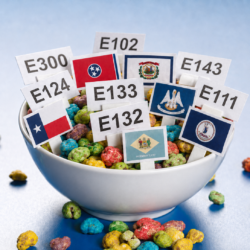
But the “GENetic Engineering Risk Atlas” a project of Biology Fortified, an independently funded nonprofit, claims that of the 400 studies curated in 2014 assessing the risks of genetic engineering, half of them are funded wholly by government agencies and independent nonprofit groups.

Anastasia Bodnar, a co-director of Biology Fortified, said “systematic reviews have concluded that genetically engineered crops are safe to eat, and when you look at the results collected in GENERA, it agrees with that conclusion.”

Read full, original post: GMO backers dismiss danger fears

Related Articles

Infographic: Global regulatory and health research agencies on whether glyphosate causes cancer

Infographic: Global regulatory and health research agencies on whether glyphosate causes cancer

Does glyphosate—the world's most heavily-used herbicide—pose serious harm to humans? Is it carcinogenic? Those issues are of both legal and ...

Most Popular

ChatGPT-Image-Mar-10-2026-01_39_01-PM
Viewpoint—“Miracle molecule” debunked: Why acemannan supplements don’t work
Screenshot-2026-09-17-at-1.07.08-PM
'We are dangerously addicted to antidepressants': Should we heed RFK Jr.’s sobering warning?
Screenshot-2026-09-24-at-3.25.18-PM
No, organic eggs are not more nutritious or necessarily healthier than regular eggs. They are just far more expensive.
ChatGPT-Image-Sep-2-2026-02_03_32-PM
How much of a problem is AI’s water use?
ChatGPT-Image-Sep-25-2026-11_36_56-AM
Now AI almost started a war with China
Screenshot-2026-09-28-at-2.41.21-PM
Viewpoint: 7-OH controversy: An opioid is available over-the-counter–even at gas stations. Should we be concerned?
ChatGPT-Image-Sep-25-2026-10_36_43-AM
New federal autism committee head has financial ties to leucovorin
ChatGPT-Image-Sep-22-2026-11_17_31-AM
The exploding controversy over AI’s built-in survival drive
ChatGPT-Image-Sep-25-2026-11_57_15-AM
RFK, Jr. likely violated federal ethics guidelines in accepting more than $4,275,000 in gifts and book advances from MAHA allies
ChatGPT-Image-Sep-27-2026-10_00_17-AM
Current and future RFK Jr. aides criticize his science-rejectionist vaccine views
Screenshot-2026-09-16-at-10.27.33-AM
Viewpoint: SCOTUS poised to address First Amendment tension between mandatory vaccines, children’s health and religious freedom 
Woman_Vaping_Electronic_Cigarette_50687233623
Trump administration clears the way for speedy approvals of once-restricted tobacco vapes and pouches
glp menu logo outlined

Get news on human & agricultural genetics and biotechnology delivered to your inbox.