Gene therapy, not editing, saved baby Layla

The GLP aggregated and excerpted this blog/article to reflect the diversity of news, opinion and analysis. 

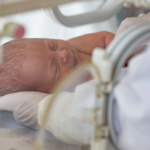
I had planned to blast the news of the use of gene-editing to save a British baby from aggressive leukemia. “Two months later, Layla was cancer-free,” proclaimed one of many enthusiastic reports.

I’m always skeptical when I hear the words “cancer” and “cure” in the same sentence, let alone uttered so soon after treatment and without an accompanying technical paper so I can see the data. But when I considered the timing of unfolding events, I realized that the seemingly premature reporting of Layla’s rapidly restored health just might add an important point to the heated discussion over gene and genome editing. That is, can we keep the promising clinical applications on somatic cells, while forbidding the Frankenstein scenarios of germline manipulation?
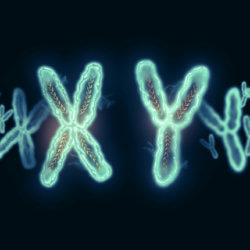
In the rush to get stories out, some media reports muddled gene editing and gene therapy. I noticed right away that the first sentence of the Wall Street Journal article linked “gene-editing technique” to an article about the very gene therapy that I wrote my book about, for a form of hereditary blindness. It adds a gene that doesn’t integrate into a chromosome. Other gene therapies stick the healing genes into chromosomes somewhat randomly. Gene editing, in contrast, switches out or replaces a gene at its precise location in a chromosome. The distinction isn’t just genetic jargon — it could mean the difference between a sustained effect and one that fades as modified cells divide.

Read full, original post: Will Layla Save Gene Editing?

Related Articles

Infographic: Global regulatory and health research agencies on whether glyphosate causes cancer

Infographic: Global regulatory and health research agencies on whether glyphosate causes cancer

Does glyphosate—the world's most heavily-used herbicide—pose serious harm to humans? Is it carcinogenic? Those issues are of both legal and ...

Most Popular

Cancer mRNA Vaccine Concept
'A new frontier': Though scorned by RFK Jr., personalized mRNA vaccine offers hope for many suffering from melanoma skin cancer
Screenshot-2026-10-22-at-12.45.14-PM
Pennsylvania tells doctors to prepare for a surge in newborn measles cases—a complication unseen in decades
Crimson Drips Over the White House
In Trump administration redirect, U.S. steers NIH sharply away from biodefense and pandemic preparedness
Diet Soda with Measuring Tape 2
Science challenges anti-soda activists: No, sodas won’t make you fat
West-Virginia-SNAP-Water-Bottle-Sticker
A ‘shining success’ or 'empty promises’: Two years along, West Virginians assess MAHA’s food promises
Healthy Food Sensitivity Test Collection
Viewpoint: That’ll be $300: The wellness industry’s junk science scam to ‘fix’ your immune system that isn’t broken
ChatGPT-Image-Mar-10-2026-01_39_01-PM
Viewpoint—“Miracle molecule” debunked: Why acemannan supplements don’t work
Rustic Skillet of Raw Brains
‘Weird food’? Testicle- and brain-eating, supplement-gulping MAHA health food enthusiasts defend their ‘natural’ diets
Screenshot 2026-10-23 at 2.28
Climate disruption alert: Global emissions hold steady while Trump’s America fuels more warming
Screenshot 2026-10-16 at 5.38
PFAS in Agriculture: Science, Uncertainty, and Risk Communication
Strawberry Clamshell with Warning Sticker
Viewpoint: Activists hype ‘dangerous level’ of pesticide residues in Driscoll berries: Separating health concerns from fear-mongering
Vibrant Social Media Confetti Explosion
Health misinformation minefield: Countering online deluge by copying its style
Author-Presenting-Good-Energy
'Disillusioned': Controversial RFK Jr. ally and MAHA leader Calley Means quits Trump advisory role
Screenshot-2026-10-19-at-12.04.51-PM
Victims of their own success: As memories of killer diseases fade, vaccine rejectionism soars
glp menu logo outlined

Get news on human & agricultural genetics and biotechnology delivered to your inbox.