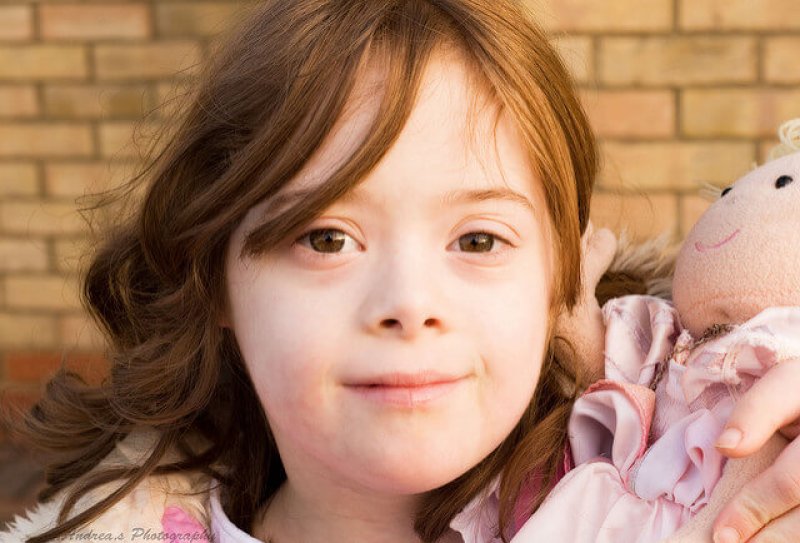
Three years ago, airline pilot Paul Watson started giving his 14-year-old son Nathan the anti-depressant Prozac. Nathan wasn’t depressed or anxious. Instead, he had Down Syndrome, a genetic disorder caused by an extra (third) copy of chromosome 21. Some early research had shown that Prozac (called fluoxetine generically) might help with the cognitive impairments most children with Down Syndrome face. And, in Nathan’s case, the results have been promising.
Nathan’s is one of many anecdotes regarding the off-label use of fluoxetine for people with Down Syndrome. Those case studies have finally reached critical mass. A clinical trial will start this month at the University of Texas Southwester Medical Center in Dallas to treat pregnant women whose fetus’ have been diagnosed with Down Syndrome. In Down Syndrome brain development slows down from its normal pace; the hope is that this might be addressed by treating pregnant women with fluoxetine at the point where fetal brain development starts to slow in affected individuals.
The children enrolled in the study will continue taking the drug until they are 2 years old. Although scientist aren’t sure how Prozac is helping these children, parents are sure it’s working reports Bonnie Rochman at Technology Review:
Parent activists say there are at least 200 children with Down syndrome in the U.S. who are receiving fluoxetine in an attempt to boost their brainpower, and the same is happening overseas. “I know at least 30 people in my circle of friends who have their kids on Prozac,” says Lara Font, who lives near Houston and started her 6-year-old son, Parker, on fluoxetine when he was 15 months old.
Other researchers at Cornell University are investigating whether choline, a nutrient found in food could also limit the cognitive impairment of Down Syndrome individuals by keeping brain development on track in utero. Choline is the precursor to the neurotransmitter acetylcholine which is used throughout the human brain and body for muscular control. In mouse models, adding choline to the mother’s diet improved the formation of new neurons in their fetuses. Further testing revealed that Down Syndrome model mice whose mothers received the choline preformed better on subsequent performance of cognitive tasks like mazes than controls.
But in order to capitalize on these nascent treatments, its necessary to use prenatal testing to identify fetuses that will be affected. And, at least for these potential treatments, the earlier a diagnosis is made the better. Non-invasive prenatal testing is often vilified in the Down Syndrome community because it gives parents the option to terminate affected pregnancies. Studies estimate that parents chose to end about 70 percent of affected pregnancies. As one parent put it, prenatal testing is ‘a threat’ to the Down Syndrome community.

But it’s those same tests that could give parents treatment options to consider. Neonatologist Diana Bianchi, who pioneered prenatal testing, is now working to identify treatments for Down Syndrome, according to a recent story in Technology Review:
[Bianchi] says that early testing will lead to the first treatments for Down syndrome. With the ability to routinely detect the syndrome as early as 10 weeks of pregnancy, she says, the tests are creating the chance to develop drugs that address cognitive deficits in the womb. “Plenty of people think that their children with Down syndrome are perfect the way they are,” says Bianchi. “But there are also plenty of people who, if given the choice, would want to attempt to treat their children.” Critics of testing “don’t know the complete picture,” she says. “They don’t realize there is another half to the equation.”
These treatment trials are in the very early stages. It will likely be many years before any treatment could emerge as a safe and effective treatment for pregnant women carrying a child diagnosed with Down Syndrome. But they are likely to be a much more attainable treatment option than others. For example, scientists have considered silencing the extra copy of chromosome 21, which was done in human cells in 2013, or by potentially editing out the extra chromosome in the developing embryo.
Some parents would never consider ending a pregnancy no matter the severity of their child’s potential health conditions. For those families, treatments can offer hope of reduced cognitive impairment and decreased chances of Alzheimer’s later in their child’s life. Treatment options may sway more families to continue pregnancies even after receiving a diagnosis of Down Syndrome. Regardless of those decisions, it is powerful to see an often neglected genetic condition become the focus of new research.
Meredith Knight is a contributor to the human genetics section for Genetic Literacy Project and a freelance science and health writer in Austin, Texas. Follow her @meremereknight.