The GLP aggregated and excerpted this blog/article to reflect the diversity of news, opinion and analysis.
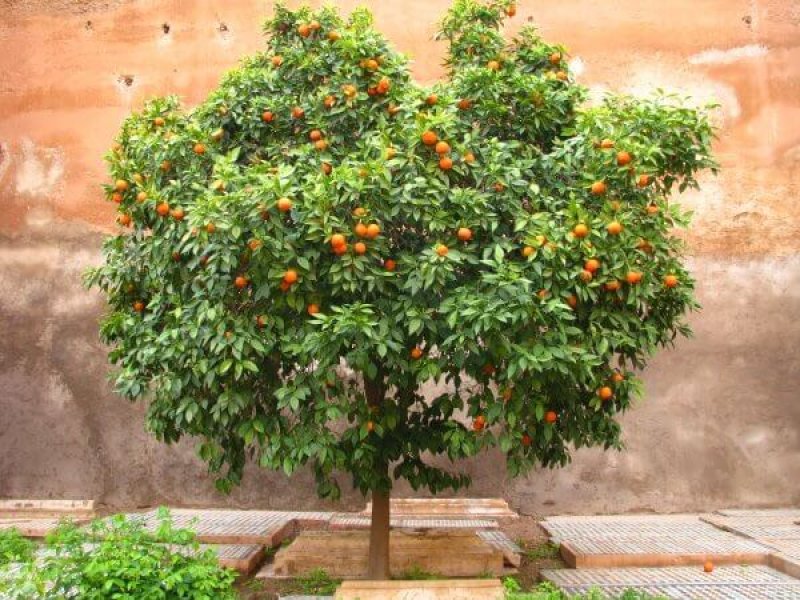
There’s a grove of organic orange trees in Lake Louisa State Park in Clermont that holds a deep secret, and it could be worth nearly $11 billion to uncover the mystery.
How have these trees survived for 75 years, through multiple frosts and diseases that have killed millions of other Florida citrus trees?
Answers to this question could turn out to be key to preventing orange juice from disappearing from your grocery-store shelves.
The people who run Uncle Matt’s Organic. . .recently invited me to the Lake Louisa grove. . . to show me how they search for answers . . . .
The Uncle Matt’s folks are trying to figure out how effective parasitic wasps are in fighting the psyllid that spreads citrus greening. . . .
As organic producers, the McLeans are skeptics of technology to breed genetically modified organisms, or GMOs. I’m a champion of it, and I’m proud of researchers at UF/IFAS who have created a GMO citrus tree that shows great promise for resistance to HLB.

. . . .
Consumers, growers and scientists would be so much better off if we could talk about GMOs and organics in the same cooperative tone the McLeans and I shared in that Clermont grove.
We did not persuade each other. As we talked, though, under trees laden with some of the tastiest Temples I’ve ever eaten, common ground emerged. What we did agree on was that there are so many unanswered questions.
. . . .
UF has pursued research on both organic and conventional production methods in agriculture. We don’t pick a side. We don’t pick oranges. We pick science.
Read full, original post: Grove visits, funding vital to saving citrus