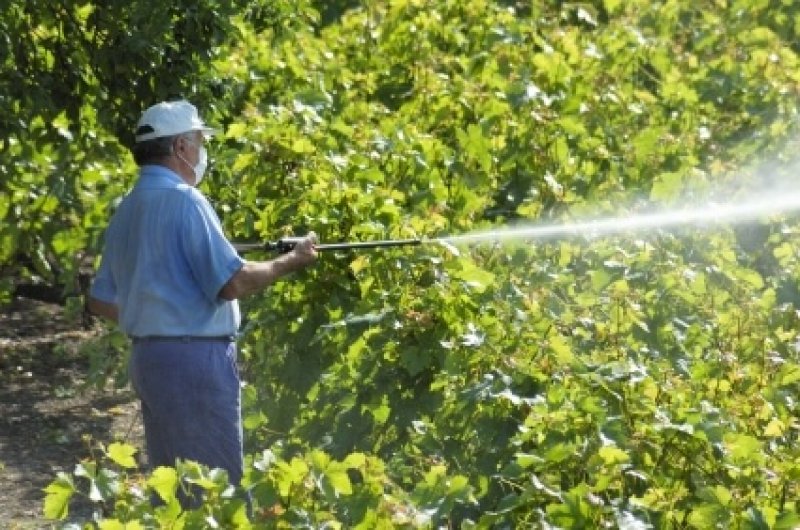
Organic food is promoted as superior and safer for today’s health conscious people. It is claimed that they are pesticide free and have more micronutrients.
It is true that organic pesticide comes from a natural sources but it does not mean that they [are] not harmful to us and our ecosystem. In organic farming some pesticide and plant growth supplements are recommended safe but actually are more toxic than any other pesticide or fertilizer used in conventional methods of farming. [Examples]:
Boron
Used as pesticide but prolonged ingestion may affect the brain, liver and heart.
Acetic acid
At diluted levels it is known as vinegar, but in organic farming it is used at about 90% potency, which causes skin burns and eye damage. Sometime used as mixture (acetic acid + salt soap) as herbicide as an alternative to glyphosate (conventional pesticide) but it is more toxic than glyphosate.
. . . .
Copper sulphate
Used as fungicide… It is nasty stuff for humans and highly toxic to fishes. At recommended rates corrosive to skin and eyes, causes reproductive problems in birds, rodents and chickens. … Copper sulphate is very persistent, once soil is contaminated.

Pyrethrin
Extracted from flowers but still toxic to bees and causes leukemia while handling by a person or consume its traces indirectly with vegetables and fruit.
Azadirachtin
Natural but harmful for our ecosystem. Causes brain disease like encephalopathy in children
. . . .
The difference between synthetic pesticide and organic farming approved pesticide is that with the synthetic product you may get mountains of safety data and regular pesticide residue monitoring while with organic approved pesticides you pay more money … and well fabricated lies that they are safer for human consumption and environment too.
The GLP aggregated and excerpted this blog/article to reflect the diversity of news, opinion and analysis. Read full, original post: Organic Food: Is It Really Safe?