Will consumers accept CRISPR gene edited non-browning mushrooms?

Screen Shot at PM

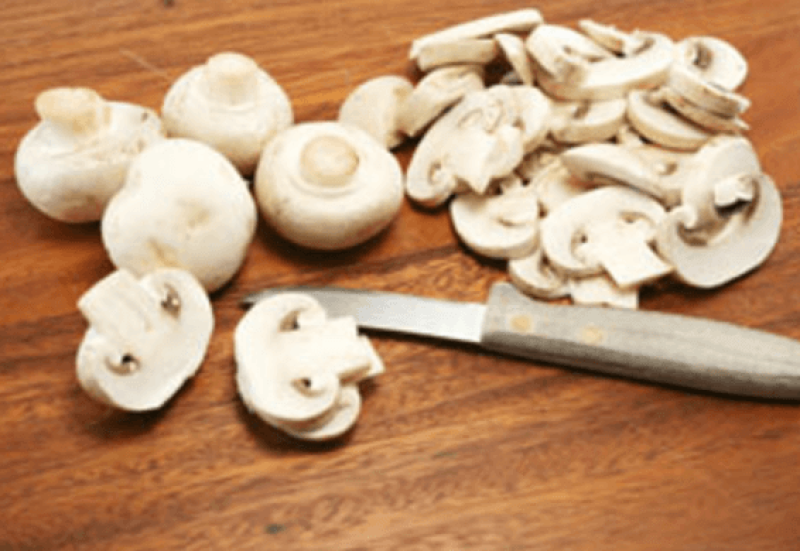
Marketers say the idea of a non-browning mushroom developed through gene-editing techniques is intriguing, although few seem to know if consumers will accept the idea.

Penn State University professor Yinong Yang developed the anti-browning mushroom using a gene-editing tool called CRISPR.

Eventually, CRISPR technology could be used to bring fruits, vegetables and other crops to the market with improvements aimed at growers and consumers, researchers say.

“The consumer will decide,” said Bill St. John, sales director of Gonzales, Texas-based Kitchen Pride Mushroom Farms Inc.

“Especially white mushrooms have an especially short shelf life — the browning kind of turns people away,” he said.

“With the product looking better longer, it could help both retailers and consumers,” he said.
Whether that translates to more demand remains to be seen, St. John said.

“This mushroom will be looked on by consumers as a GMO item even though the CRISPR technology does not introduce genetic material taken from a different organism as does the traditional method of gene splicing/replacement,” said [Vince Versagli, sales director with Kennett Square, Pa.-based South Mill Mushroom Sales and Kaolin Mushroom Farms Inc.]

The GLP aggregated and excerpted this blog/article to reflect the diversity of news, opinion, and analysis. Read full, original post: Feelings mixed on gene-edited mushroom

{{ reviewsTotal }}{{ options.labels.singularReviewCountLabel }}
{{ reviewsTotal }}{{ options.labels.pluralReviewCountLabel }}
{{ options.labels.newReviewButton }}
{{ userData.canReview.message }}

Related Articles

Infographic: Global regulatory and health research agencies on whether glyphosate causes cancer

Infographic: Global regulatory and health research agencies on whether glyphosate causes cancer

Does glyphosate—the world's most heavily-used herbicide—pose serious harm to humans? Is it carcinogenic? Those issues are of both legal and ...

Most Popular

Screenshot-2026-04-22-at-12.21.32-PM
Viewpoint: Why the retracted Monsanto glyphosate study doesn’t change the science—the world’s most popular herbicide is safe 
Picture1
The FDA couldn’t find a vaccine safety crisis, so it buried its own research
ChatGPT-Image-May-1-2026-11_42_59-AM-2
Viewpoint: NAD is the wellness grifters latest evidence-lite longevity fad. At least the mice are impressed.
ChatGPT-Image-Apr-16-2026-02_56_53-PM
Financial incentives, over diagnosis, and weak oversight: Autism claims are driving up Medicare costs
global warming
‘Implausible’: Top climate scientists reject worst-case scenario—soaring temperatures and fast-rising sea levels
ChatGPT-Image-May-12-2026-11_27_01-AM-2
AI likely to improve health care, research shows—but not for blacks and ethnic minorities
ChatGPT-Image-May-7-2026-01_23_27-PM-2
Viewpoint: Will AI democratize personalized cancer treatment or fuel medical misinformation?

Sorry. No data so far.

glp menu logo outlined

Get news on human & agricultural genetics and biotechnology delivered to your inbox.