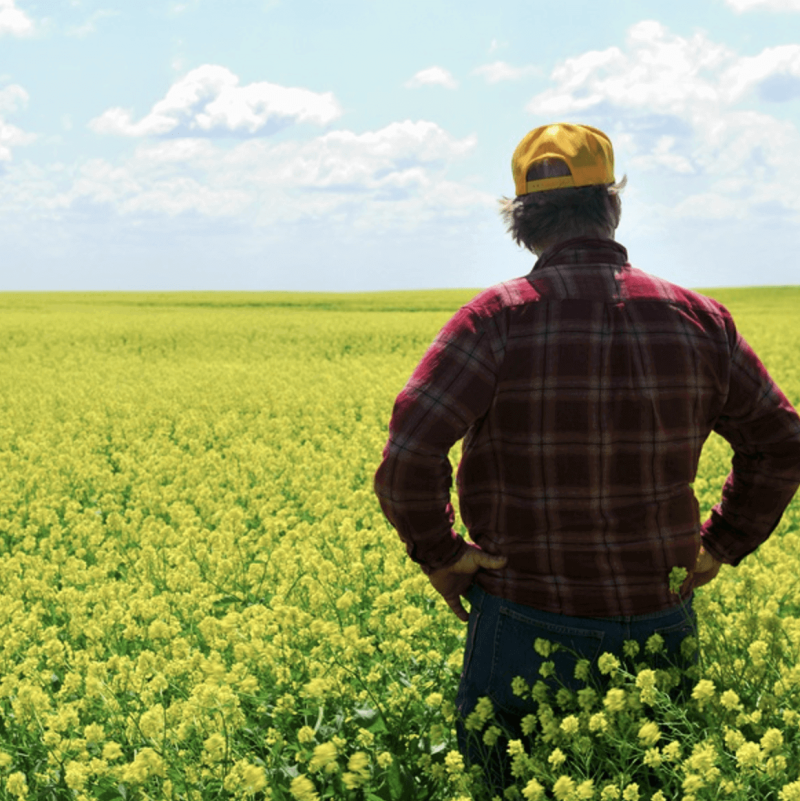
[Editor’s note: Emiliano Tatar is a pediatrician at the Einstein Healthcare Network Roxborough Plaza. The following is an interview with Michelle Miller, known on social media as the “Farm Babe”. She co-runs a family farm in Iowa and is a public speaker on agricultural topics and controversies.]
Do GMOs pose a threat to the health of farm lands and the environment? What about glyphosate?
Absolutely NOT! It’s always important to remember that the dose makes the poison. Glyphosate is actually the most non-toxic herbicide we have ever had access to which is why it’s so popular. It is less toxic than table salt, baking soda, or caffeine. We spray it two days out of the year and at a very minimal dose. GMOs allow us to eliminate insecticide sprays all together, which is helpful for beneficial insects like bees and butterflies. It allows us to grow more on less land, which is critical to feed a growing planet.
…

My take away: Understanding the technology and how farmers use it to be good stewards of their lands can go a long way to alleviate concerns. … [E]ven a short review of the facts … reveals that GM crops are, if anything, beneficial to modern farming. In addition, as we saw in the previous installment, there has never, even once been a case of harm to human health from GM foods.
Based on these facts, parents should feel safe feeding their children these foods.
The GLP aggregated and excerpted this blog/article to reflect the diversity of news, opinion, and analysis. Read full, original post: Is GMO farming harmful to the environment?