Flood of organic imports has US farmers concerned, asking for more scrutiny of overseas growers

organic

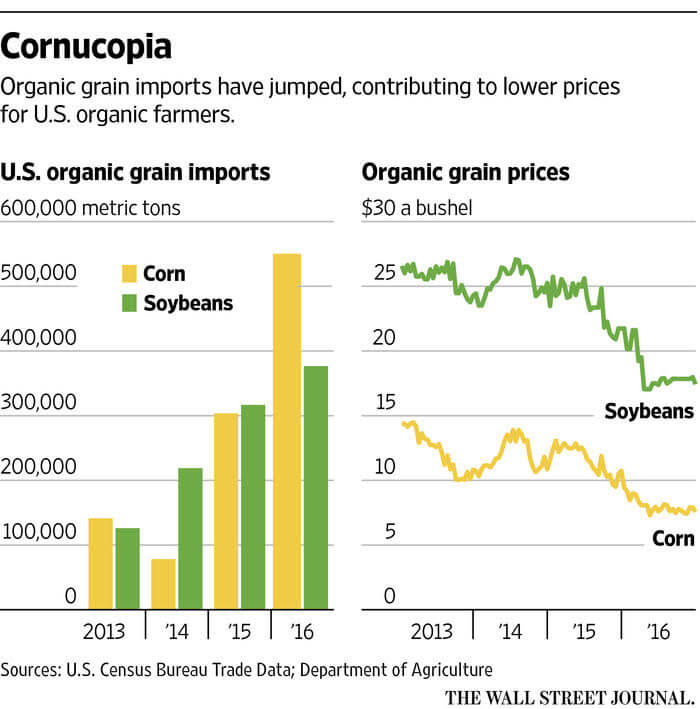
Organic grain is flooding into the U.S., depressing prices and drawing complaints from domestic organic farmers who fear their harvests are held to stricter standards than foreign-raised crops.

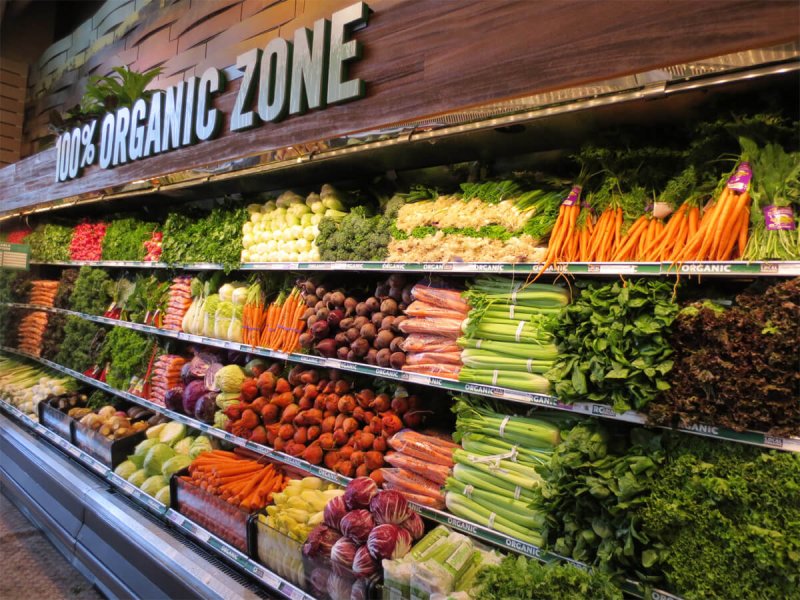
The rising imports reflect how U.S. consumers’ appetite for organic products, which are produced without synthetic pesticides, genetically engineered seeds, and certain fertilizers, are challenging food companies to keep up.

U.S. organic-farming groups say that influx of foreign grain has been a chief factor in slashing prices for organic corn by about 30% in 2016, along with a 20% decline for organic soybeans. Those declines came despite robust growth in U.S. sales of organic foods—and far underperformed prices for nonorganic corn and soybeans. USDA-certified organic food sales in 2016 climbed 10% to $12.3 billion, versus a 0.7% increase in conventional grocery sales….

Some organic farmers in the U.S. contend that overseas organic farms benefit from looser oversight, giving them an edge over domestic farms. They point to past failures among foreign-based organic operations in following U.S. organic standards, and occasional cases of fraud. Now U.S. groups want U.S. authorities to step up scrutiny of organic operations in Turkey and other Eastern European countries, and provide more support for U.S. organic farmers.

The GLP aggregated and excerpted this blog/article to reflect the diversity of news, opinion, and analysis. Read full, original post: Organic Food Sales Are Booming; Why Are American Farmers Crying Foul? (PAY WALL)

{{ reviewsTotal }}{{ options.labels.singularReviewCountLabel }}
{{ reviewsTotal }}{{ options.labels.pluralReviewCountLabel }}
{{ options.labels.noReviewsLabel }}
{{ options.labels.newReviewButton }}
{{ userData.canReview.message }}

Related Articles

Infographic: Global regulatory and health research agencies on whether glyphosate causes cancer

Infographic: Global regulatory and health research agencies on whether glyphosate causes cancer

Does glyphosate—the world's most heavily-used herbicide—pose serious harm to humans? Is it carcinogenic? Those issues are of both legal and ...

Most Popular

ChatGPT-Image-Jul-10-2026-12_21_03-PM
Viewpoint: Is there new evidence that the animal deworming drug ivermectin decreases the risk of Covid and cancer? Don’t waste your money.
ChatGPT-Image-Mar-10-2026-01_39_01-PM
Viewpoint—“Miracle molecule” debunked: Why acemannan supplements don’t work
Screenshot-2026-07-09-at-1.09.25-PM
Anti-vaccine myths rattle health care
Screenshot-2026-07-30-at-3.07.42-PM
Controversy over WNBA star Sophie Cunningham’s comment opposing trans females in women’s sports reinvigorates the culture wars
Picture1
Hiroshima at 81: America’s new nuclear bomb, a buried Iranian target, and a question no one wants to ask
leeteam
How Kennedy and his family could pocket millions from Merck’s $50 million vaccine injury settlement that he oversaw
Screenshot-2026-07-30-at-2.30.35-PM
Climate scientists claim conservative activists are promoting ‘lies’ that Europe’s summer heatwaves are far from unusual
ChatGPT-Image-Jun-25-2026-12_23_17-PM
No, Bill Gates did not secretly engineer ticks to promote veganism
ChatGPT Image Jul 29, 2026, 05_50_04 PM
Fear, science, and the law: If talc powder is unlikely to cause cancer and J&J was winning in court, why did it pay more than $5.5 billion to settle?

Sorry. No data so far.

glp menu logo outlined

Get news on human & agricultural genetics and biotechnology delivered to your inbox.