Human brain could evolve to require very little sleep, study of tiny Mexican cavefish suggests

Screen Shot at PM

Neuroscientists at Florida Atlantic University have been studying Mexican cavefish to provide insight into the evolutionary mechanisms regulating sleep loss and the relationship between sensory processing and sleep. They are investigating how sleep evolves and using this species as a model to understand how human brains could evolve to require very little sleep, just like the cavefish.

In their latest study, … published in the Journal of Experimental Biology, findings suggest that an inability to block out your environment is one of the ways to lose sleep.

….
Screen Shot at PM
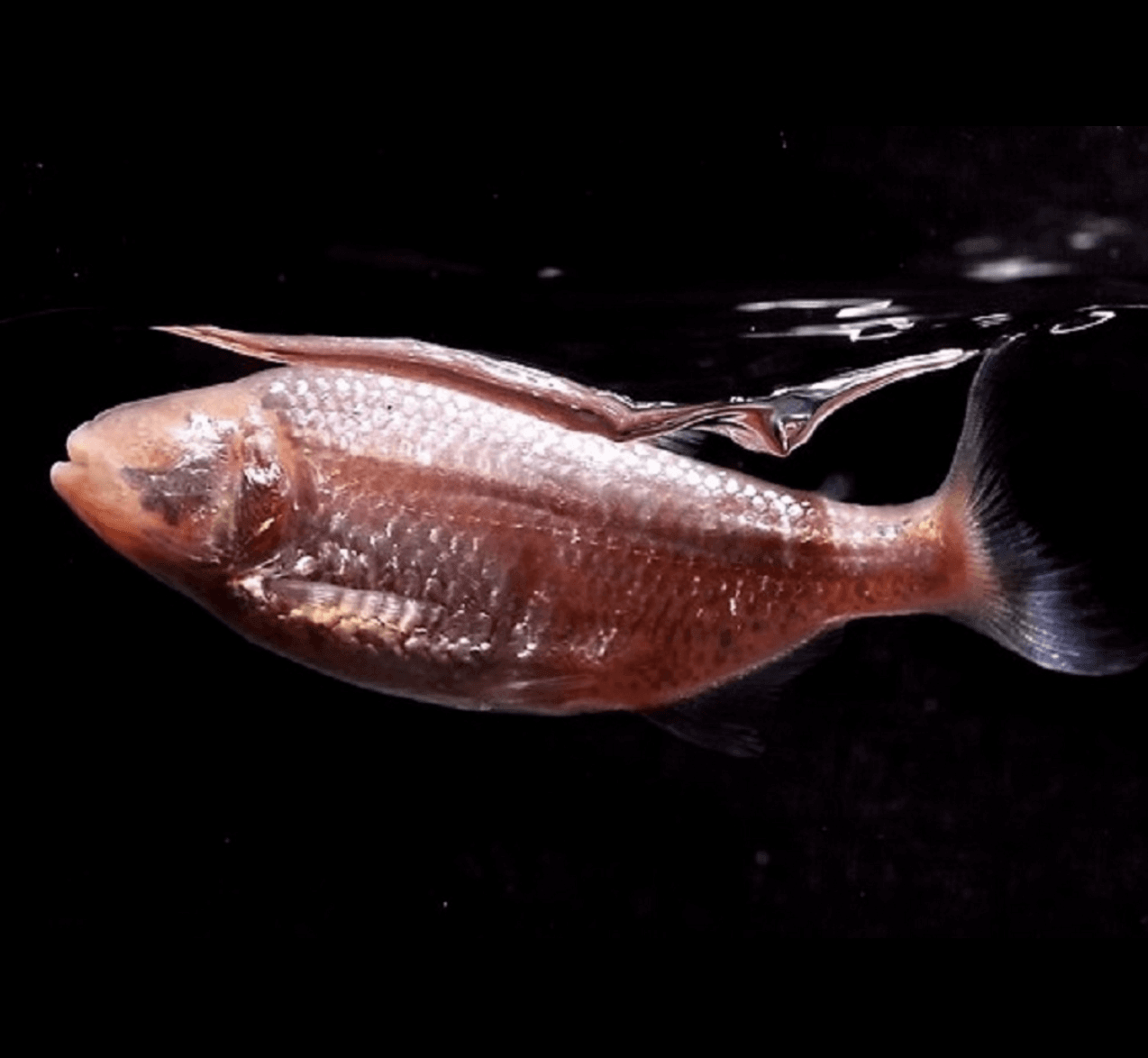
The Pachón cavefish live in deep, dark caves in central Mexico, with little food, oxygen or light, and have lost their eyes completely. Because of their harsh environment, they have evolved to get very creative in order to survive and suppress sleep. (Photo: FAU)
[T]he evolution of enhanced sensory capabilities contribute to sleep loss in cavefish and … sleep in cavefish is plastic and may be regulated by seasonal changes in food availability.

…

“Humans block out sensory cues when we enter a sleep-like state,” [said Alex C. Keene, Ph.D., corresponding author of the study.] “For example, we close our eyes and there are mechanisms in the brain to reduce auditory input. This is one of the reasons why a sensory stimuli like someone entering a room is less likely to get your attention if you are asleep. Our thinking was that cavefish have to some degree lost this ability and this drives sleep loss.”

The GLP aggregated and excerpted this blog/article to reflect the diversity of news, opinion, and analysis. Read full, original post: Cavefish May Help Humans Evolve to Require Very Little Sleep

Related Articles

Infographic: Global regulatory and health research agencies on whether glyphosate causes cancer

Infographic: Global regulatory and health research agencies on whether glyphosate causes cancer

Does glyphosate—the world's most heavily-used herbicide—pose serious harm to humans? Is it carcinogenic? Those issues are of both legal and ...

Most Popular

Nurturing Care Beneath the Crunchy Moms Logo
Crunchy Moms disinformation flood: Zuckerberg's Facebook has opened floodgates on measles and vaccines
Screenshot-2026-11-19-at-7.54.57-PM
European General Court sides with scientists, dismisses activist claims that glyphosate is toxically dangerous
Screenshot-2026-11-16-at-2.37.32-PM
30 years of GMO farming: Is the boom in glyphosate and glufosinate use harming the environment? Data show they’re the most sustainable choice
Stormlit Portrait Over Golden Mountains
Searching for life where no one thought to look: A renowned astrophysicist’s seemingly quixotic quest to explore Venus’s clouds
Soybean Harvest in Cupped Hands
30 years of GMO farming: Defying cynics, we’ve had larger harvests, lower costs, and $385 billion in added global farmer income
Screenshot-2026-11-19-at-7.23.23-PM
Viewpoint: After a yearlong hiatus, the U.S. Preventive Services Task Force is back in business—gutted by RFK Jr. and promoting junk science
Screenshot-2026-11-18-at-2.44.24-PM
Why should thousands of Americans die every year waiting for a kidney transplant? There’s an easy fix to this morbid reality
ChatGPT-Image-Mar-10-2026-01_39_01-PM
Viewpoint—“Miracle molecule” debunked: Why acemannan supplements don’t work
Screenshot-2026-11-17-at-12.18.09-PM
Challenging glyphosate fear-mongering: Statewide Nebraska study finds no link between weedkiller use and non-Hodgkin lymphoma
glp menu logo outlined

Get news on human & agricultural genetics and biotechnology delivered to your inbox.