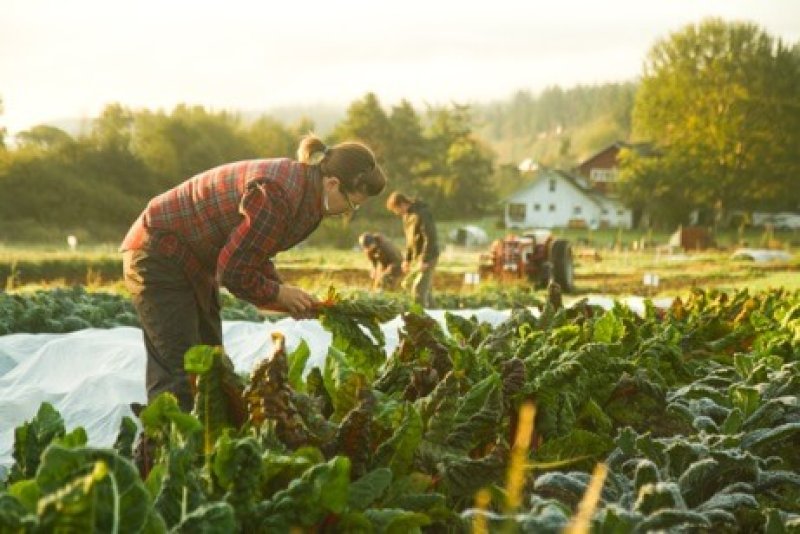
Only 1 percent of US farmland is certified organic. Why aren’t more farmers making the switch?

MikeHedge

There are two stories to tell about the state of organic agriculture in the US. The first is a success story, the inspirational tale of a fringe industry that—in less than two decades—has transformed into a $43-billion-dollar powerhouse.

But there’s another story here, too. And to tell that one, you only need a single stat:

Less than 1 percent of all U.S. farmland is certified organic.

The 1 percent figure isn’t due to sluggish demand. Quite the opposite: consumers want more organic food than domestic farmers can currently supply, which forces retailers, feed companies, and packaged food manufacturers to bridge the gap with organic imports from other countries. … In 2016, 50 percent of our organic corn and 80 percent of our organic soy had to be imported from countries…

Click to enlarge

If demand is so great, why don’t more farmers switch over? What’s keeping organic’s market share at that anemic 1 percent?

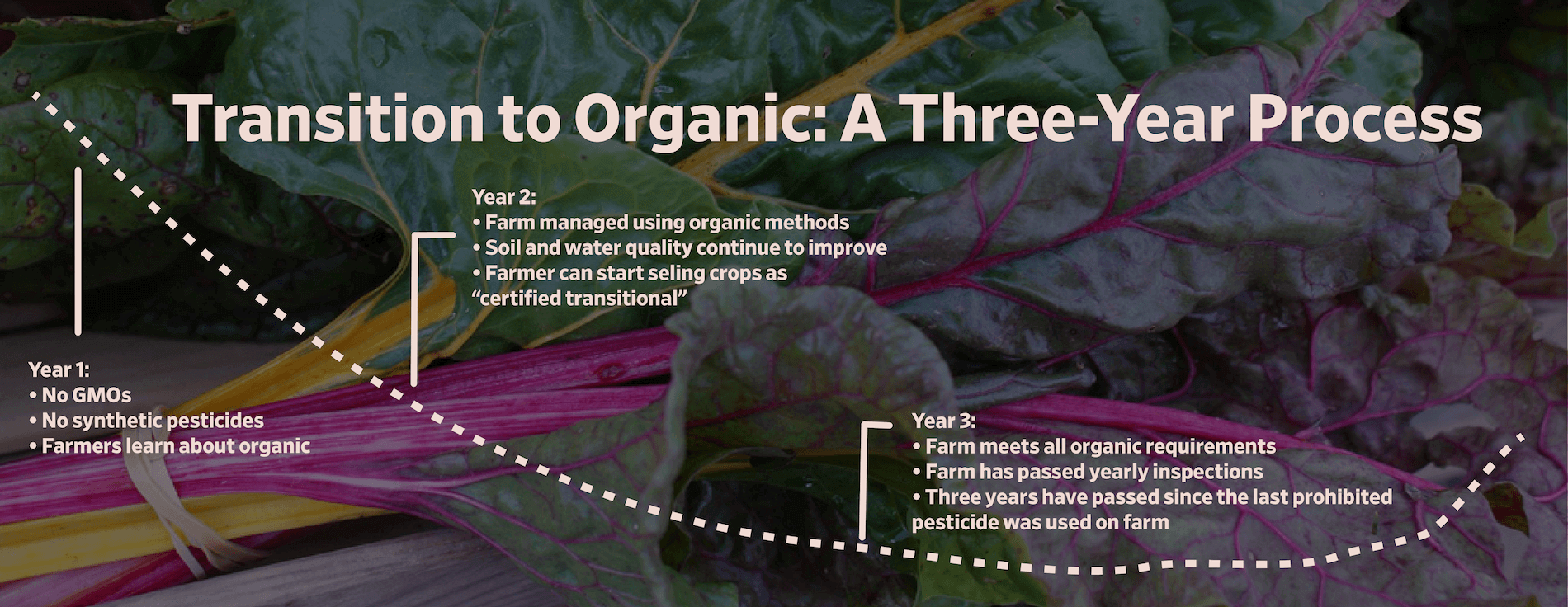
The answer’s pretty simple: three long years.

Conventional farmers can’t just drop everything and go organic. According to the way the USDA standard is written, conventional farmers must use organic methods for three years before they can call their crops organic.

The GLP aggregated and excerpted this blog/article to reflect the diversity of news, opinion, and analysis. Read full, original post: While demand soars, less than 1 percent of U.S. farmland is certified organic. So why don’t farmers switch?


{{ reviewsTotal }}{{ options.labels.singularReviewCountLabel }}
{{ reviewsTotal }}{{ options.labels.pluralReviewCountLabel }}
{{ options.labels.newReviewButton }}
{{ userData.canReview.message }}

Related Articles

Infographic: Global regulatory and health research agencies on whether glyphosate causes cancer

Infographic: Global regulatory and health research agencies on whether glyphosate causes cancer

Does glyphosate—the world's most heavily-used herbicide—pose serious harm to humans? Is it carcinogenic? Those issues are of both legal and ...

Most Popular

Picture1
The FDA couldn’t find a vaccine safety crisis, so it buried its own research
Screenshot-2026-04-22-at-12.21.32-PM
Viewpoint: Why the retracted Monsanto glyphosate study doesn’t change the science—the world’s most popular herbicide is safe 
ChatGPT-Image-May-7-2026-12_32_36-PM
Viewpoint: The state of U.S. vaccine policy? Dismal nationally, but some states are stepping up.
_20250221_nib_rfk_trump
Viewpoint: 'Crisis of public trust': Autism support community shocked RFK continues to peddle false claims about the danger of vaccines
placebo
Viewpoint — Alternative medicine and the placebo effect: Selling a reassuring illusion of health
ChatGPT-Image-May-18-2026-01_45_05-PM-2
Newest hantavirus conspiracy: Online disinformation turns outbreak into latest ivermectin grift
ChatGPT-Image-May-18-2026-12_06_18-PM-2
Defying death: The immortality movement goes mainstream
Screenshot-2026-04-13-at-1.39.26-PM
Viewpoint: ‘Safer for children?’ Stonyfield yogurt under fire for deceptive organic marketing
Screenshot-2026-04-22-at-10.46.29-AM
Viewpoint: How to counter science disinformation? Science journalist offers 12 practical tips
Defense_Secretary_Ash_Carter_tours_the_Microsoft_Cybercrime_Center_in_Seattle_March_3_2016
How criminals are using AI to target social media users and steal their money and confidential data
glp menu logo outlined

Get news on human & agricultural genetics and biotechnology delivered to your inbox.