Sensors developed for national security used to monitor plant health, improve breeding

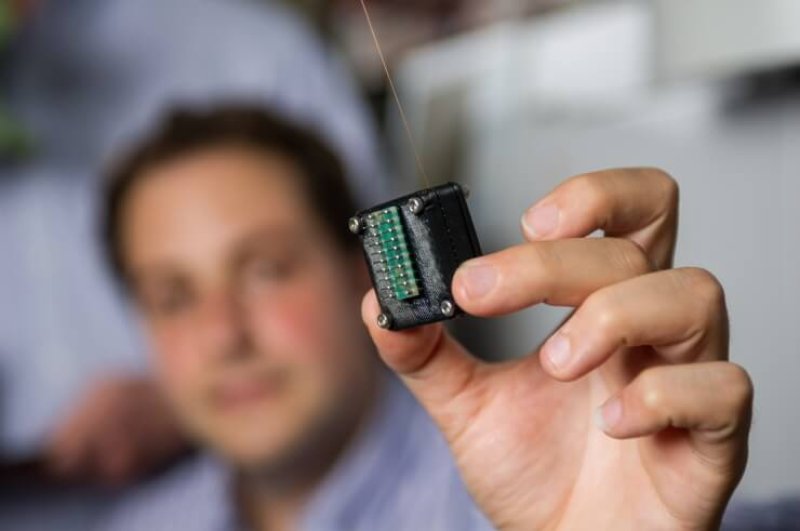
micro gc

Agriculture consumes about 80 percent of all U.S. water. Making fertilizers uses 1 to 2 percent of all the world’s energy each year.

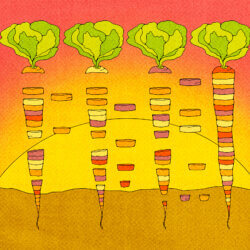
A new program hopes to develop better crops — super plants that are drought-resistant, use less fertilizer and remove more carbon dioxide from the atmosphere.

The program, ROOTS, or Rhizosphere Observations Optimizing Terrestrial Sequestration, … has received $2.4 million to adapt previously developed sensors to monitor root function and plant health in new, noninvasive ways….

The insights gained from these sensors … will guide breeding of better varieties of sorghum. Sorghum is a drought-tolerant grain mostly grown for animal fodder and biofuels in the U.S. but relied upon as an important food crop in Africa and parts of Asia.
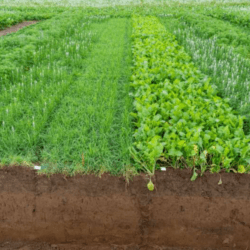
The sensors will be easy to adapt to other crops too, said Eric Ackerman, manager of Sandia’s Nanobiology department and principal investigator for the ROOTS project.

Though roots are hard to access and study, thoroughly understanding how they work and how to improve them is essential for drought-resistant crops that need less fertilizer. Deep roots can tap additional water sources and extensive root systems can gather more nutrients, Ackerman said. Roots also are critical for depositing carbon into the soil, instead of the air.

The GLP aggregated and excerpted this blog/article to reflect the diversity of news, opinion, and analysis. Read full, original post: Super plants need super ROOTS

Related Articles

Infographic: Global regulatory and health research agencies on whether glyphosate causes cancer

Infographic: Global regulatory and health research agencies on whether glyphosate causes cancer

Does glyphosate—the world's most heavily-used herbicide—pose serious harm to humans? Is it carcinogenic? Those issues are of both legal and ...

Most Popular

ChatGPT-Image-Mar-10-2026-01_39_01-PM
Viewpoint—“Miracle molecule” debunked: Why acemannan supplements don’t work
Screenshot-2026-09-22-at-12.26.15-PM
‘Forever chemical’ concerns: Separating hysteria from reasonable concern in the debate over PFAS danger
Screenshot-2026-10-06-at-2.36.47-PM
Is organic farming really more sustainable? 100 recent studies say ‘no’
Screenshot-2026-10-06-at-11.13.59-AM
RFK Jr.’s plan to curb America’s appetite for ultra-processed foods and artificial dyes blocked by the White House
Screenshot-2026-10-07-at-10.15.18-AM
Hooked on kratom: The unregulated, natural, alcohol-free “social tonic” that is destroying lives 
Screenshot-2026-09-28-at-11.26.17-AM
Viewpoint: Wellness movement activists reposition nicotine from a killer addictive drug into a cure-all for brain ills
Radioactive-Americana-Collage-2
The kooky logic behind the raft of spurious cancer claims from Harvard’s T.H. Chan School of Public Health
Resolute-Portrait-with-Injured-Teddy-Bear
Anti-vax Texas Senate candidate Ken Paxton alleges conspiracy by doctors, drugmakers, and insurers to push childhood vaccination for profit
Screenshot-2026-09-22-at-10.54.12-AM
‘They misunderstand science’: Research attempting to tie autism to changes in the gut microbiome comes under fire
Supreme-Court-Amid-Climate-Crisis
Should fossil fuel companies be shielded from lawsuits over climate change damage? The Supreme Court takes up the question
strand of dna genetics
No, GMO foods do not “damage genes, natural disposition and hormones, or decrease physical health and intelligence”
Childrens-Health-Defense-Press-Briefing
Court links patient’s death to anti-vaccine doctor promoted by Kennedy’s Children’s Health Defense
glp menu logo outlined

Get news on human & agricultural genetics and biotechnology delivered to your inbox.