



Chemical Controversies
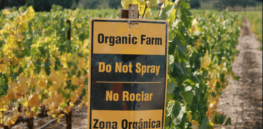
Viewpoint: Organic industry anti-pesticide ‘propaganda’ threatens to cripple American agriculture
Misleading half-truths and outright misstatements offer a teaching moment about “advocacy research.” ...
EPA plan to end animal testing by 2035 pits environmental groups against animal rights activists
The U.S. Environmental Protection Agency (EPA) in Washington, D.C., announced .... that it will stop conducting or funding studies on ...
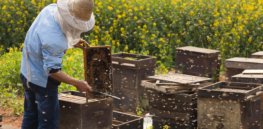
Pesticides don’t pose acute health risk to honeybees foraging on farmland, two-year study finds
Honey bees forage across a large area, continually scouting the local landscape for ephemeral food resources. Beekeepers often rely on ...
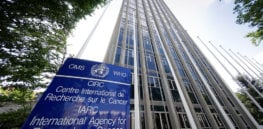
Viewpoint: Hidden conflicts of interest cripple IARC’s biased glyphosate-cancer evaluation
IARC has no clear understanding of what a conflict of interest is (or doesn’t care) ...

US soybean and corn farmers fear plant-based burgers and glyphosate lawsuits signal uncertain future
I’m flat busted. My Missouri corn and soybean farm is bankrupt, financially incompetent, a lousy credit risk, upside down--you pick ...

We need phosphorus to fertilize crops and feed the world—can we mine it sustainably?
If you wanted to really mess with the world's food production, a good place to start would be in Morocco ...
Congressional Democrats push EPA to defend expanded approval of controversial pesticide sulfoxaflor
Oregon Democrats are asking the Environmental Protection Agency (EPA) to defend its decision to expand the use of a pesticide ...

NY Times’ Eric Lipton defends anti-biotech, anti-vax Moms Across America, which harasses scientists
Journalists like Eric Lipton need to recognize where the real danger lies ...
Viewpoint: France commissions new glyphosate-cancer study to justify more weed killer regulations
After reading this article, I relay the following comment from the collective Science-Technologies-Action (STA): “At the request of the [French] ...
Montreal plans to ban glyphosate herbicide despite safety assurances from scientists and pesticide regulators
Montreal plans to ban the use of glyphosate — a commonly used herbicide marketed primarily under the trade name Roundup ...

Viewpoint: Organic or conventional produce? Doesn’t matter—just eat more fruits and vegetables
All fruits and vegetables are good for you, but when people start talking about how to eat healthy, the word ...
Activist groups sue EPA to block expanded approval of alleged ‘bee-killing’ insecticide sulfoxaflor
Beekeepers asked the Ninth Circuit on [September 6] to block the federal government’s approval of the unrestricted use of the ...
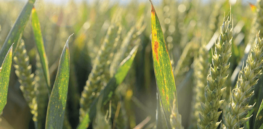
Virus-resistant wheat could aid UK farmers denied access to neonicotinoid insecticides
RAGT Seeds is to launch a winter wheat variety with a high level of resistance to barley yellow dwarf virus ...
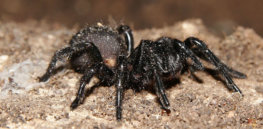
Funnel web spider venom kills a human in an hour—can we use it to battle deadly honeybee pests?
A bite from a funnel web spider delivers neurotoxins that can kill an adult in hours, or a child in ...
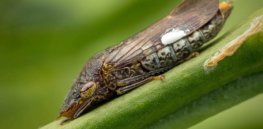
Podcast: The story of a grape disease that decimated vineyards for 200 years—and how science helped stop it
When Europeans began to colonize North America 400 plus years ago, they brought along the crops they knew how to ...

Plant geneticist Kevin Folta: Scientific American’s rewritten anti-GMO article a ‘lesser abomination’
The Scientific American article about "dying broccoli" and "toxic corn" drew wide criticism for its unreferenced and outright false indictment ...

Glyphosate-cancer battle escalates as Germany aims to ban Roundup after 2023
Angela Merkel’s government aims to phase out herbicides containing glyphosate by the end of 2023, a move that could generate ...

Podcast: South Australian farmers battle for access to GMO crops. Will they win?
Australia has welcomed the use of genetically engineered (GE) crops, and farmers have found particular benefit from broad acre canola ...
Viewpoint: How trial lawyers rigged IARC’s cancer monograph program to fuel lawsuits targeting glyphosate, other chemicals
IARC is a troubling example of a UN agency used for personal profit ...
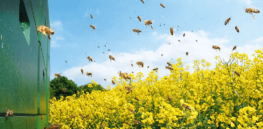
EU farmers ‘fed up’ with rapeseed as neonicotinoid insecticide ban, dry weather cripple crop yields
Rapeseed, easily spotted with its bright yellow flowers in summer, is used for meal and oil in products ranging from ...
Podcast: Do it for the kids? Federal children’s health research grants fund anti-pesticide, organic food activism
How would taxpayers feel about funding organic food activism masquerading as children's health research? ...

General Mills urges suppliers to cut glyphosate use, citing growing consumer pesticide fears
General Mills, like all companies, needs happy and satisfied customers. That’s why it’s asking suppliers, farmers who produce oats, wheat, ...
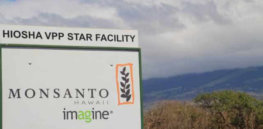
Bayer faces dozens of potentially costly glyphosate-cancer lawsuits in Hawaii
Dozens of lawsuits potentially worth tens of millions of dollars in damages are in the works in Hawaii targeting Monsanto ...

French town’s failed pesticide ban reignites national campaign against Bayer’s Roundup weed killer
Daniel Cueff’s failed crusade to ban pesticides in his tiny Breton village lays bare the deep political contradictions at the ...

Viewpoint: Eat 1,500 strawberries in one sitting—and pesticides still won’t harm you
Can you identify which of the following is NOT true about pesticides? A: Pesticides are extremely dangerous to humans. B: ...

Infographic: GMO crops ‘wreck’ the environment, human health? Latest evidence says otherwise
"GMOs are not saving farmers money, they're not producing higher yields, and perhaps most significantly they're wrecking the environment and ...

Neonicotinoid insecticide exposure could harm ground-nesting bees, study suggests
In a first-ever study investigating the risk of neonicotinoid insecticides to ground-nesting bees, University of Guelph researchers have discovered at ...
