


Food & Ag Features
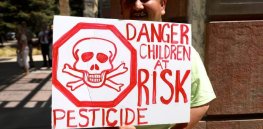
Environmental activist irony: Anti-chemical campaigners end up promoting higher food prices with few farming or health benefits
ENGOs target chemicals judged safe by independent global regulatory bodies, such as glyphosate, but have no interest in restricting some ...
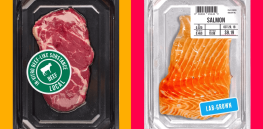
Hundreds of companies now making plant-based proteins, from beef to chicken to seafood. Here is what’s on the platter
Imagination is a wonderful thing. It is even more incredible when you can realize your dreams. Did you ever think ...
How and why gene editing faces fewer global regulations than GMOs
After they were introduced in the mid-1990s, GMO crops were met with a buzzsaw of regulations and skepticism because they ...

Viewpoint: Why anti-chemical activists just can’t accept the good news that the FDA finds US produce safe and healthy
What do you do when the evidence doesn't support your conclusion? There are just two choices: admit you were mistaken ...
A UK Farmer’s Perspective: What are the Consequences for Sustainability and the Public When Biotechnology Innovations are Withheld?
Jake Freestone, Farm Manager at Overbury Farms, West Midlands, United Kingdom | July 10, 2018Highlights:European politicians bows to activist pressure, ...

‘Difficult if not impossible’: Why US organic standards fail farmers and consumers
Many U.S. consumers swear by organic foods but are unaware of the history, principles, and regulations behind the NOP. Read on ...

Viewpoint: Great Green Leap… backwards — Europe’s ideological obsession with old solutions
I have too often warned that Western affluence and prosperity can disappear in a heartbeat through irrational policies. Europe has ...

Glyphosate traces in breast milk? Weedkiller causes neurological disorders? How activists leverage social media to distort science and spread bogus health concerns
Shocking accounts of health dangers selectively presented from peer-reviewed science articles regularly invade Twitter. It’s the stock-in-trade of technology rejectionists ...

Europe’s climate change-induced droughts endanger food security, spur calls to embrace biotechnology and other sustainable measures
The scientific community has preferably dealt with studying drought in regions or countries ( Sahel , Horn of Africa, South Africa, Australia...) ...

Viewpoint: Non-GMO Project promotes genetically-modified seedless watermelon
As summer grinds on, the Non-GMO Project is here to reassure consumers that seedless watermelon is not genetically modified. “Are ...
Analysis: Assessing sustainable food production — Certifications like ‘organic’ tell us very little. It’s time to shift focus to outcomes
In 80 years—during which our knowledge of farming’s environmental impacts has grown profoundly—the federal government’s basic approach to agricultural sustainability ...

How scientists are genetically tweaking cotton to make it more sustainable
Scientists can use good genes from other organisms to replace the defective ones in cotton, yielding cotton plants with all ...

Dubious findings about food from the ‘Nutrition Researchers Guild’: How can we learn from this unscientific manipulation of statistics?
Are you confused about conflicting “research” findings on certain foods’ effects on our health? It would hardly be surprising. First, ...

Viewpoint: No, chemicals are not making you fat—Environmental Working Group gets the science wrong yet again
The activists at Environmental Working Group (EWG) consistently butcher the science on a variety of consumer health issues. They're wrong about ...

Viewpoint: Switching to organic food because it’s healthier, safer and better for the environment? Think again
Many consumers are committed to organic products for reasons that are more emotional than logical. They frequently define their purchasing ...
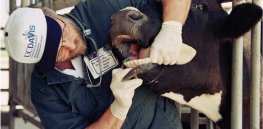
Viewpoint: Why genetic engineering of livestock is compatible with sustainable and humane treatment of animals
Society faces challenges to feed a growing population with a reliable supply of wholesome food, produced to high standards of ...

How social justice activists are undermining New Zealand’s efforts to produce a sustainable farming system
Sometimes—often, even—a singular ideological focus can have unintended consequences in food production that actually undermines the social justice goals that ...

Viewpoint: ‘It could have been avoided’ — The background story of Sri Lanka’s reckless experiment to go all organic and reject crop protection chemicals
The images of agitated Sri Lankans storming into their country’s presidential residence in reaction to the mishandling of farm policy by their ...

Viewpoint: Collapse of the organic-farming experiment in Sri Lanka has not shamed activist-philosopher Vandana Shiva and other GMO rejectionists
Sri Lanka ran an evil experiment on its citizens last year. Under the sway of nitwit organic-food activists, the government ...

Part II: Web of Disinformers: The network of anti-crop biotechnology activists, and the funders behind their campaigns
Carey Gillam, once a reporter at Reuters covering food and farming, left her job under a cloud, challenged by her ...

Part I: Carey Gillam — Reporter turned organic propagandist who twists science in campaign to discredit biotechnology and conventional agriculture
With links to the Church of Scientology, anti-vaccine glyphosate litigator Robert F. Kennedy, Jr., Organic Consumers Association, US Right to ...

Viewpoint: Anti-GMO advocates are losing ground
The anti-Genetic Engineering movement is on shaky ground because it has let its beliefs blind it to the strong scientific ...
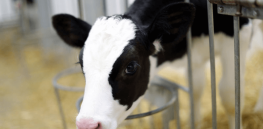
Why meat and milk from gene-edited hornless cows are safe to eat
Scientists have known for many years that genetically engineered (GE) crops pose no greater risk to human health or the ...
In the Battle to Regulate GMOS, Gene Editing and other New Breeding Techniques, Who Has ‘Hazard Blood’ on their Hands?
This third segment in the mini-series will look at the networks of highly-motivated campaigners manipulating policy and pushing the hazard-based ...
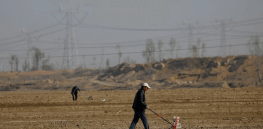
Why China’s embrace of GMO corn and soy will change policies in South Africa and the rest of the continent
Chinese National Crop Variety Approval Committee released two standards that clear the path for cultivating genetically modified (GM) crops in the country ...

Viewpoint: Follow the science? Biden Administration politicizes EPA by ignoring its own scientists in backdoor way to ban atrazine. It will harm farming and increase food prices
The No. 1 crop in America is corn. It’s a major ingredient in thousands of food and beverage items as ...

The Guardian and Carey Gillam join long list of activists who misrepresent the science of glyphosate and exaggerate the risk of pesticides
Within hours after journalist Carey Gillam’s article in The Guardian reported that the US Centers for Disease Control had found ...
