



Daily Food & Ag Digest

Why are so many unapproved chemicals found in European-grown organic food?
The European Food Safety Authority (EFSA) has published a report that investigates the occurrence of 21 active substances frequently present in organic ...

Chef Aiman: New Dubai restaurant helmed by AI chef
Dubai is known for pushing the boundaries of what is possible, and it is once again making headlines—this time with ...

Viewpoint: Agricultural gene editing should not go unregulated
While some scientists argue that agricultural gene editing regulations are overly restrictive, a new paper from the University of Adelaide ...
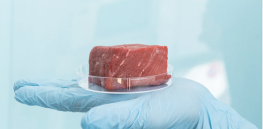
Lab-grown meat labels: USDA finalizing rules on cell-cultivated meat amid protests
[The] U.S. Department of Agriculture (USDA) is finalizing new national rules for labeling and marketing lab-grown meat, also known as cell-cultivated meat ...

Vietnam has opened the door wide to genetic technology in agriculture
Vietnam is increasingly applying scientific and technological advances in agricultural production, including genetic technology, micropropagation technology, molecular markers, and cell ...

U.S.-India trade talks: Why genetically engineered crops are a biodiversity flashpoint
[The] Indian agriculture sector, MSMEs, and trade are in a state of bewilderment regarding the outcome of the India-US trade negotiations ...

The future is now: China’s meandering research and legal path towards GMO and agricultural gene editing
Over the past 30 years, China has made significant advances in GMO research and development, the importation and processing of GM ...

Gene-edited tweaks of produce opens the door to improve tomatoes and rice without using transgenics
In a study published in Nature Communications titled “Construction of multi-targeted CRISPR libraries in tomato to overcome functional redundancy at genome-scale level,” ...

EU orders further studies on glyphosate in the wake of controversial study in which activist scientists used cancer-prone rats and found some developed cancer
The European Commission has told two EU agencies to run a study for up to 21 months to figure out ...

Sen Cory Booker aligns with MAHA, RFK, Jr., his discredited Children’s Health Defense, and Environmental Working Group to hold companies liable for alleged injuries from crop chemicals found safe by US regulators
U.S. Sen. Cory Booker (D-N.J.) is receiving major support from anti-“Big Ag” activist organizations for his newest bill, the Pesticide ...

Rejecting the suggestions of RFK, Jr.’s MAHA report targeting crop chemicals, White House says it won’t pursue tighter pesticide restrictions
Trump administration officials say the White House has no plans to crack down on pesticides in farming, despite a report ...
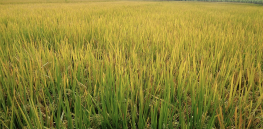
India developing climate-adaptive gene edited varieties to supplement already-approved GMO rice
In a significant stride towards bolstering food security amid escalating climate challenges, researchers at the Indian Agricultural Research Institute (IARI) ...

CRISPR bacon and hot dogs will soon be commonplace. Here’s why they are safe
From hot dogs to crispy bacon, US food staples could be made of gene-edited meat as early as 2026. Yes, ...

Viewpoint: Why two sacred cows of organic farming, grass-fed beef and biofuels, are hurting the planet
Anne Kim: [M]ost of us aren’t farmers, we’re eaters. Can you drill down a little bit about the specific practices ...

Beyond herbicides: AI opens the door to sustainable weed control
Weeds remain one of the most persistent problems in agriculture. But the biggest issue facing modern farmers isn't getting rid ...

Malaysia scientists hopeful government will reform laws to open the way for sustainable gene-edited rice
Since 2021, several scientists have been developing new genetically edited rice varieties with targeted traits, such as resistance to disease ...

Fossil fuels are embedded in our food chain. What can be changed to reduce the environmental trade-offs
A new report from renowned international thinktank IPES-Food, Fuel To Fork, documents how fossil fuels are the lifeblood of the food industry ...

Why brussels sprouts taste better, and how will genetic engineering help create new varieties
About 30 years ago, a Dutch scientist identified the chemicals that made brussels sprouts bitter. He selected seed varieties with lower levels ...

Viewpoint: A disturbing conversation about glyphosate with a science-denier
The intent of my previous column on glyphosate was simply to encourage some critical thinking. In it, I wrote: Glyphosate is an ...

What are the trade-offs if India allows the import of U.S. GMO feed?
As India inches closer to announcing an interim trade deal with the United States...[the] proposed inclusion of genetically modified (GM) ...

Viewpoint: A world without glyphosate would mean more weeds, soil erosion and carbon emissions, and smaller crop yields
Too much rain can devastate a crop. That was especially true when cultivators were the primary weed technology. It was ...

‘Bee death spiral’? Pesticide-resistant Varroa mites driving record number of U.S. honeybee losses
“Every time I went out to the beehive there were less and less,” says Bret Adee, one of the largest ...

What chemicals are used in organic farming?
[N]atural agricultural chemicals ... provide organic farming with pest management, nutrient supplementation and soil improvement solutions. [These include:] ... Pyrethrins: ...

Unpacking RFK, Jr.’s claims: Are canola, soy bean and safflower oil feeding the obesity epidemic and poisoning America?
[Robert F. Kennedy, Jr.] has said...vegetable oils — extracted from the seeds of plants, like canola, soybean and safflower — are ...

Abu Dhabi’s ADQ to focus on vegetable gene editing as it seeks stake in seeds company
ADQ, Abu Dhabi's wealth fund, plans to acquire a 35 per cent stake in France's Limagrain Vegetable Seeds as the ...

From Lab to Forest: Biotech Trees for a Sustainable Future
Climate change is making forests more vulnerable to stress such as wildfires and pests, amid growing demand for their products ...

Viewpoint: ‘Alarming new research on glyphosate?’ Here’s how the Ramazzini Institute distorts science, spreads alarmism and fuels baseless lawsuits
According to a new study, glyphosate, the most widely used pesticide in the world, is extremely carcinogenic. In this study, ...
