


Daily Food & Ag Digest
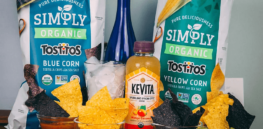
Viewpoint: Why food labels like ‘organic’ and ‘GMO’ are misleading and why labeling regulation reform is necessary
As biotechnology advances, consumers face a myriad of new ingredients and labels to parse through at the supermarket. These labels, ...

Reframing debate over genetically-engineered produce of the future: Here’s why Gen Z is so critical
In the case of fresh produce, advocates say [CRISPR] technology can do a number of positive things from improving taste ...
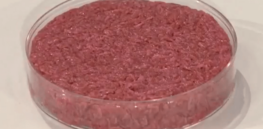
Dissecting claims that lab-grown meat can meaningfully help address climate change
One of the major drivers for businesses focusing on cultivated (or lab-grown, or cultured) meat is its potential for cleaning ...
Celiac-safe wheat? Here’s how gene editing can eliminate crop allergens
In the absence of celiac-safe wheat in the market, gluten intolerant population needs to follow a lifelong gluten-free diet to ...
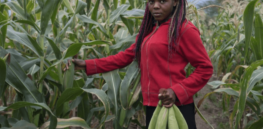
Viewpoint: African nations must take on the responsibility of developing agricultural innovations as well as benefiting from them
The Head of AUDA-NEPAD flagship biosafety programme, Samuel Edudzi Timpo, has implored African states and governments not to wait to ...

Frankenfoods? Genetically-engineered crops can be healthier and more sustainable, so why do German Greens reflexively reject them?
So far it has been practically impossible in Europe to bring genetically modified plants onto the market. The bureaucracy was high, ...
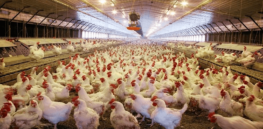
Viewpoint: With meat alternatives flourishing, ‘people might eventually look back on meat-eating much the way we view cannibalism and human sacrifice’
Guilt over eating animals amid our inability to give it up is powering the birth of a new industry: [Recently], ...

How European Union restrictions fueled anti-GMO voices and hunger in Global South, and mainly Africa
The year was 2002, and extreme hunger in Africa threatened over 15 million people ...
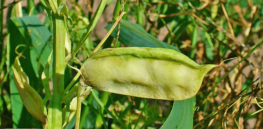
This hardy pea plant is climate-change resistant, but sometimes poisonous. Here’s how gene editing could turn it into a ‘climate crisis’ crop
It is grown in some of the world’s most inhospitable, arid regions and is noted for being rich in protein ...

Can gene editing change the public’s perception of genetic engineering, food and farming? It’s already happening, polls shows
While GMOs have been the subject of negative discourse over a long time period, it is possible that newer breeding ...
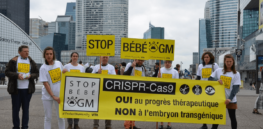
Green advocates and anti-biotechnology groups denounce European Commission-recommended proposal to relax restrictions on gene-edited crops
Organic farmers and environmental groups have denounced proposals from the European Commission to exempt some genetically engineered crops from EU legislation for genetically modified organisms (GMOs), sparking what the research sector ...
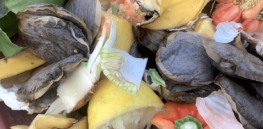
How gene editing can reduce food waste and remove allergens from Africa’s food supply
Scientists have found a new technology to extend shelf life and improve storage in food crops especially perishable vegetables like ...

Which diet is highest in ‘ultra-processed’ foods? Vegan tops list, sparking more nuanced conversation about UPFs
Veganism has the potential to promote healthy eating as people ditch meat - but the rise of ultra-processed foods (UPFs) ...

Super-efficient short ‘smart corn’ capable of denser planting gets green light from USDA
Bayer AG's genetically modified corn has received safety approval from the USDA's Animal and Plant Health Inspection Service (APHIS) ...

Viewpoint: Should there be a ban on glyphosate and other pesticides in US parks? Here’s why environmentalists and the Park Service say that would be a disaster
When last I wrote about my battle of the brush, I was losing, badly, to the invasive vines and noxious weeds ...
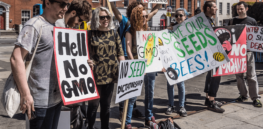
Viewpoint: Braying false concerns of critics — 30 years along, still no evidence that GMOs pose any health or safety issues
The first GMO food was approved in 1994 (a GMO tomato that is no longer on the market), so we ...
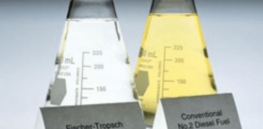
What role could GMOs play in achieving sustainable biofuel?
One of the primary benefits of using GMOs in biofuel production is the potential for increased crop yields. By engineering ...
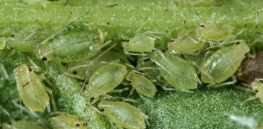
Viewpoint: After neonicotinoid insecticide ban, sugar beet farming in Europe likely to remain crippled for years
Research into alternatives to neonicotinoid pesticides, found to be toxic to bees, is unlikely to deliver a solution capable of ...
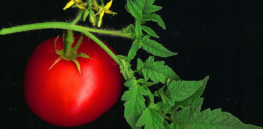
Latest CRISPR food innovation: South Korea develops tomato with enhanced levels of provitamin D3. Will it go to market?
In a new report published in GEN Biotechnology (the sister journal to GEN), researchers from Seoul National University (SNU) in South Korea have applied CRISPR ...

With climate disruptions increasing and bans on most genetically-engineered crops, African crop yields remain among lowest in the world
Africa has a huge population with by far the least sophisticated food production and processing systems. Any improvements would have the ...

Tracing the chickpea: How trade and migration shaped this popular legume’s genetics
With its nutty flavor and dense nutrient profile, the humble chickpea has captivated palates and nourished civilizations for millennia ...

Viewpoint: Food upcycling — Maybe the key to food sustainability isn’t growing more crops, but cutting back food waste
[The Salt and Straw] ice cream chain is among those at the forefront of the upcycling movement, the process of ...
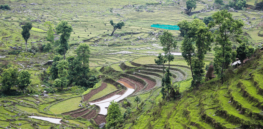
Why India’s government-subsidized, organic farming experiment hasn’t worked out well
On a cold winter’s day in January 2016, Prime Minister Narendra Modi declared Sikkim as the first organic farming state in India ...
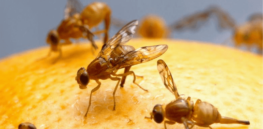
How CRISPR can protect berry crops from disease-carrying fruit flies — without pesticides
As winters get warmer and springtime comes earlier, farmers in states such as Maine and Minnesota are having more trouble ...
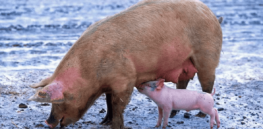
Why small African pig farmers are losing out on big data revolution globally transforming agriculture
The Cloudfarms pig-production-management software program provides real-time reporting through big data captured via workers’ smartphones as they move through the pig ...
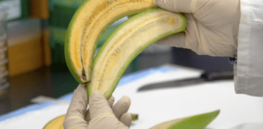
Orange ‘super banana’: Gates-funded Ugandan scientists develop vitamin A enhanced fruit that could help reduce blindness and save lives
Wilberforce Tushemereirwe holds up a genetically modified banana that took millions of dollars and 20 years to make. It contains ...

Viewpoint: Using selective chemistry — Burdensome EU regulations prevent introduction of lower-impact agricultural pest control products
The EU has outlined its ambition to slash in half the use and risk of chemical pesticides in its flagship ...
