Latest CRISPR food innovation: South Korea develops tomato with enhanced levels of provitamin D3. Will it go to market?

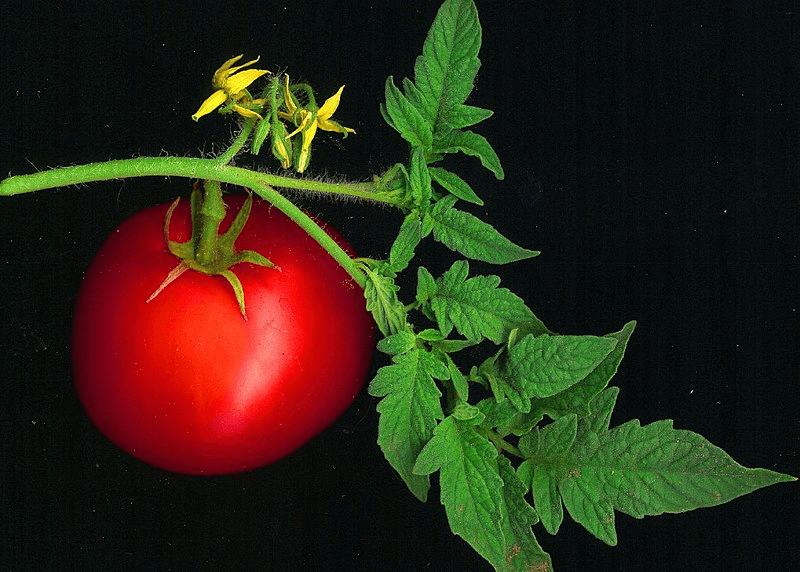
Credit: David Besa via CC-BY-2.0

In a new report published in GEN Biotechnology (the sister journal to GEN), researchers from Seoul National University (SNU) in South Korea have applied CRISPR gene editing to produce tomato fruits with enhanced levels of provitamin D3 (ProVitD3).

In humans, ProVitD3 is a precursor for the synthesis of biologically active vitamin D3 and serves as a protective agent against ultraviolet radiation on the skin. Circulatory vitamin D often falls below desirable levels, particularly among individuals with limited exposure to sunlight. While dietary supplements help address this deficiency, natural vitamin D sources are restricted to a few animal-derived sources, such as fish, egg yolks, and beef liver, as fruits and vegetables have historically shown limited capacity for ProVitD3 production.

Follow the latest news and policy debates on sustainable agriculture, biomedicine, and other ‘disruptive’ innovations. Subscribe to our newsletter.

The burning question remains: What are the regulatory and scale-up hurdles that impact whether these tomatoes head to the market? [Researcher Sunghwa] Choe states that in many countries, there is a growing consideration that CRISPR genome-edited crops may be exempt from conventional GMO regulations.

Choe says that lawmakers in Korea are actively engaged in discussions regarding this issue, indicating a willingness to explore and potentially relax regulations surrounding CRISPR-edited crops in the coming years.


This is an excerpt. Read the original post here

{{ reviewsTotal }}{{ options.labels.singularReviewCountLabel }}
{{ reviewsTotal }}{{ options.labels.pluralReviewCountLabel }}
{{ options.labels.newReviewButton }}
{{ userData.canReview.message }}

Related Articles

Infographic: Global regulatory and health research agencies on whether glyphosate causes cancer

Infographic: Global regulatory and health research agencies on whether glyphosate causes cancer

Does glyphosate—the world's most heavily-used herbicide—pose serious harm to humans? Is it carcinogenic? Those issues are of both legal and ...

Most Popular

Screenshot-2026-04-22-at-12.21.32-PM
Viewpoint: Why the retracted Monsanto glyphosate study doesn’t change the science—the world’s most popular herbicide is safe 
Picture1
The FDA couldn’t find a vaccine safety crisis, so it buried its own research
ChatGPT-Image-Apr-16-2026-02_56_53-PM
Financial incentives, over diagnosis, and weak oversight: Autism claims are driving up Medicare costs
global warming
‘Implausible’: Top climate scientists reject worst-case scenario—soaring temperatures and fast-rising sea levels
cousin
Marrying your cousin: Might it provide some evolutionary benefits?
ChatGPT-Image-May-1-2026-11_42_59-AM-2
Viewpoint: NAD is the wellness grifters latest evidence-lite longevity fad. At least the mice are impressed.

Sorry. No data so far.

glp menu logo outlined

Get news on human & agricultural genetics and biotechnology delivered to your inbox.