


Daily Human Digest
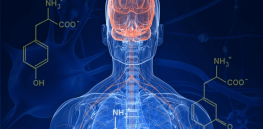
Infographic: Did you know the human body is made up of zinc, copper and cobalt? Here are the chemicals that make up who we are
The human body is a miraculous, well-oiled, and exceptionally complex machine. It requires a multitude of functioning parts to come ...

Sonic pain relief? Could we reduce pain by manipulating the neural mechanisms that regulate sound?
An international team of scientists has identified the neural mechanisms through which sound blunts pain in mice. The findings, which ...

Viewpoint: Is anti-biotechnology New Zealand ready to embrace gene drives to control wasps, possums and other predator pests?
The once-forbidden concept of gene editing for predator control is back on the table after two projects received New Zealand ...

Ancient human brains reveal that our ancestors meditated to relieve stress
Scientists have discovered that humans, unlike our Neanderthal cousins, evolved the ability to meditate to deal with both past and ...

Gum disease and tooth loss have been largely overlooked as risk factors for dementia
A close link is emerging between oral health and some of the world's most pressing diseases, including cardiovascular disease, diabetes ...

Avoiding ‘hanger’: What’s the link between irritability and skipping meals?
For those who get snappy when they miss out on lunch, it may be the perfect excuse: researchers have confirmed ...

Vitamin supplements can provide real benefits, but they are often abused and the dangers are real
A new case report provides a striking example of what can happen if one takes too much vitamin D ...

Hate mosquitoes? Afraid of heights? Here is how to tailor your summer travels to your DNA
If you seem to have more itchy red welts on your ankles than the people around you, your DNA may ...
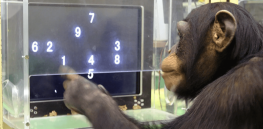
What we know about how animals think, see and feel
The history of our observations of our fellow creatures is a series of corrected mistakes and solved mysteries as we’ve ...

Almost 20 million: That’s how many lives were saved by COVID-19 vaccines, experts believe
COVID-19 vaccination “fundamentally altered” the pandemic by saving nearly 20 million lives in the first year that vaccines were available, ...

‘Genetic bottlenecks’: How war, famine and disease contributed to human evolution
Human populations have waxed and waned over the millennia, with some cultures exploding and migrating to new areas or new ...

We finally know how modern dogs arose from ancient wolf populations
The tale of how grey wolves became the pet dog of today has received a new twist, with research suggesting ...

‘It’s a slog’: Cure or treatment for Alzheimer’s proving elusive, and we don’t know why
We see headlines that declare a “Cure Breakthrough” and “Reversing Dementia in Mice,” but still, if you get sick, there ...
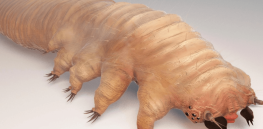
Our faces swarm with microscopic mites — and they are evolving to permanently merge with us
Most people on Earth are habitats for mites that spend the majority of their brief lives burrowed, head-first, in our ...
First CRISPR gene-edited drug expected to go on sale next year. Here’s what’s next
Soon we could see regulators approve the very first treatment using gene-editing technology in an effort to combat rare inherited ...

Australia mulls use of ‘controversial’ gene drives to rid country of feral cats
Synthetic biology and genetic technology could be a safer, more humane way of curbing invasive species. Feral cat populations, for ...

‘Reviving extinct species’: Can freeze dried skin cells rescue endangered animals?
Researchers have created cloned mice from freeze dried skin cells in a world first that aims to help conservationists revive ...

Disentangling the links between diet, genes and dementia
Dementia, like most chronic diseases, is the result of a complex interplay of genes, lifestyle and environment that researchers don’t ...

Viewpoint: Our binary system of classifying what’s ‘cancerous’ fails. Here’s what might replace it
Concern over substances that may cause cancer has led to various classification schemes to recognize carcinogenic threats and provide a ...

Want to decrease long COVID risks? More vaccine doses seem to work best
Long COVID was less likely to occur in healthcare workers who had received two or three mRNA COVID-19 vaccine doses ...

‘Chemistry drives social chemistry’: Body odor plays a huge role in attraction and even friendship
People whose natural body odors are chemically similar are more likely to “click” and form fast friendships ...

Just 10 years after its invention, CRISPR gene editing is taught in high schools
A decade after CRISPR started to become a major tool in genetic research, a new generation of scientists is growing up with the ...

3 long COVID theories: Unraveling the mystery of what causes lasting coronavirus symptoms
Long covid theories ...

Podcast: A genetic history of the Americas before European colonialism
How the first people migrated to the Americas nearly 20,000 years ago, how genomes showcase the very close relatedness of ...

18,000 years of cannabis: A genetic history of marijuana
Cannabis and humans, it’s hard to think of a better pair. Homo Sapiens owe much of our success as a ...
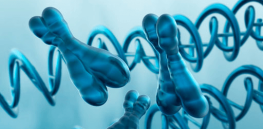
Many men have an extra X or Y chromosome — and it could increase risks of diabetes, heart disease and infertility
Having an extra chromosome can raise the risk of certain health conditions. Those having Klinefelter syndrome (KS) or an extra ...

How growing up in a poor neighborhood can damage a child’s developing brain
Children growing up in more disadvantaged neighborhoods — meaning those with poor housing quality, more poverty, and lower levels of ...
