


Daily Human Digest

‘Massive step forward’: Lab-grown mini-brain twitches a muscle
Floating inside a petri dish in a lab at Cambridge University, a single disjointed muscle twitched. Normally that’s not news ...

PTSD and other psychological traumas may increase risk of cardiovascular disease
People coping with psychological trauma have a heightened risk of developing cardiovascular disease, a large-scale study finds. Researchers used national ...

Viewpoint: AI may boost our diagnostic abilities, but it’s not ready to replace human doctors
I read a recent article in Nature Medicine about new inroads in deploying artificial intelligence (AI) in pediatrics. In the article, researchers ...
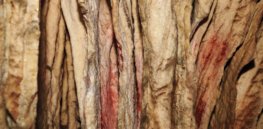
Redefining the Neanderthal: Were they more sophisticated than we thought?
A new body of research has emerged that’s transformed our image of Neanderthals. Through advances in archaeology, dating, genetics, biological ...

An Italian family’s curious insensitivity to pain
Shortly after her sixth birthday, while climbing a pole in a neighbor’s yard in the Tuscan city of Siena, [scientist ...

Can genetic matchmaking help us find a healthier true love?
Ever since his work on [the Human Genome Project, geneticist George Church has] been trying to sequence the rest of ...

Stonehenge mystery solved! DNA analysis tells us where builders came from
The ancestors of the people who built Stonehenge travelled west across the Mediterranean before reaching Britain, a study has shown ...

Can genetics help explain why some people make more money than others?
The UK Biobank is the single largest public genetic repository in the world... . But when David Hill, a statistical ...

Families plagued by inherited diseases push back against ban on gene-edited embryos
In 2012, scientists showed that CRISPR, an ancient bacterial immune system, can edit DNA. ... Barely three years after, leaders in ...

Were the Denisovans a collection of 3 different species?
A new study using genetic data is offering an intriguing new look into the history of the Denisovans, revealing them as a ...
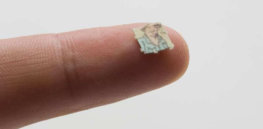
Does LSD microdosing change how people see the world?
You’ve probably heard about microdosing, the “productivity hack” popular among Silicon Valley engineers and business leaders. Microdosers take regular small doses of LSD ...
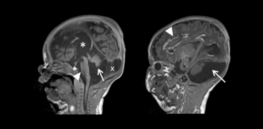
‘Stranger than doctors could have imagined’: Boy born without one type of brain cells
Even before he was born, it was clear that the boy’s brain was unusual—so much so that his expecting parents ...
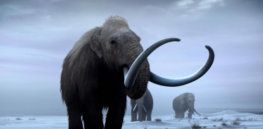
Is resurrecting the woolly mammoth an ‘unnecessary show of scientific hubris’?
Bringing an extinct species back to life was once firmly in the realm of science fiction, but as genetic engineering ...

Viewpoint: He Jiankui’s CRISPR babies experiment was ‘even worse than I first thought’
When He Jiankui announced the birth of twin girls whose DNA he had modified when they were embryos using the CRISPR ...

When culture clashes with science: Teaching evolution to Tibetan monks
“We believe that we came into existence when an ogress mated with a monkey. Is that possible?” The question comes ...

Can ‘golden child’ anti-aging drugs rescue Alzheimer’s memories?
Alzheimer’s disease defeated another promising near-market drug that tried to prevent or remove amyloid deposits, adding to the disease’s therapeutic “graveyard of ...

Genetic genealogy leads to arrest in 1972 Washington killing
Thanks to the same DNA technology that caught the Golden State Killer suspect, authorities in Washington state arrested a 77-year-old ...

Making the case for lifting the US ban on 3-parent babies
A Greek woman with a history of multiple in vitro fertilization failures gave birth to a healthy baby with DNA ...

‘Crisis-level precautions’: How hospitals fight new era of superbugs
[Superbug Candida auris can] survive for weeks outside a patient—on sinks and mattresses, door knobs and bedside tables. To eradicate ...

Can genetics predict a baby’s risk of becoming an obese adult?
There’s a new way to predict whether a baby will grow into an obese adult. Combining the effect of more ...

Being poor ‘leaves a mark’ on 10 percent of your genes
The cycle of poverty isn’t just an economist’s tag slapped on repeat generations of poor, it is actually changing genetics ...
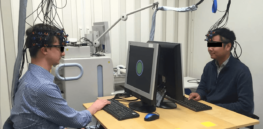
Brain sync studies could lead to better connections between patients and therapists
A growing cadre of neuroscientists is using sophisticated technology ... to capture what happens in one brain, two brains, or ...

Game of Thrones and DNA: How genetics could explain some of the unhinged behavior
The White Walkers are on the move (slowly) and political stability in Westeros remains on edge. How did things get ...

People may have lived in Australia for 120,000 years—twice as long as we thought
Extensive archaeological research in southern Victoria has again raised the prospect that people have lived in Australia for 120,000 years ...

Forget batteries and wires. Can we build robots out of synthetic DNA?
It's long been a dream of many to build robots that look and act like humans. After all, there's a ...

Why genetic testing for autism cannot offer definitive answers
Here’s a primer on how genetic tests work, their value for autism and what to expect from the results. Is ...
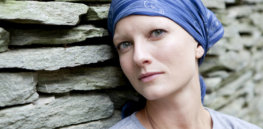
Infographic: Number of people with cancer has more than doubled since 1990
How many people in the world have cancer? Globally, it's estimated that 42 million people across the world suffered from ...
