


Science Literacy Project Daily Digest

Viewpoint: Why GMOs? 1950s farming technology cannot feed the world in 2050
Up and down the aisles of the grocery store, there are an overwhelming number of packages that are labeled with ...

New Zealand climate group says anti-GMO laws hinder development of sustainable technologies
AgResearch says it is working on whether its genetically modified ryegrass could move to NZ based field and animal nutrition ...

‘From quackery to established science’: Here’s what’s going on with promising anti-aging research
It’s hard to pinpoint the exact moment anti-aging research morphed from quackery to an established science. Some say it’s 1939, ...

Food fight: Plant-based burgers stir debate over claims of nutritional advantages versus beef
Plant-based burger makers say their products are better for the planet than beef. Whether they are better for consumers’ health ...
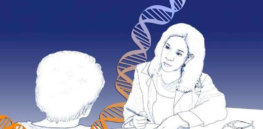
Viewpoint: We need to stop worrying about whether people can cope with bad news from genetic tests
When the Human Genome Project began in 1990, bioethicists feared that giving people the results of genetic tests would do ...

‘Built to forget’: Why memory lapses are good for our brains
Until about ten years ago, most researchers thought that forgetting was a passive process in which memories, unused, decay over ...

As glyphosate—cancer legal battle intensifies, Bayer faces questions whether it needs to split up to survive
The glyphosate lawsuits—and the political backlash—stem from a finding by a division of the World Health Organisation, which said in ...

EPA blocks California from ‘misleadingly’ labeling glyphosate as ‘known to cause cancer,’ stating herbicide ‘does not pose a cancer risk’
Environmental Protection Agency News Release EPA Takes Action to Provide Accurate Risk Information to Consumers, Stop False Labeling on Products ...
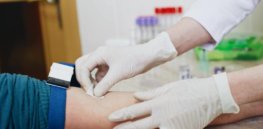
Is this the Alzheimer’s blood test we’ve been looking for?
Researchers say they can accurately identify people on track to develop Alzheimer's disease before symptoms appear, which could help the ...
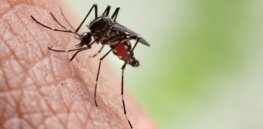
Much more than an ‘itchy pest’: Mosquitoes have played a major role in human history
Fifty-two billion people—almost half of the cumulative human population—are thought to have perished at the hands of a creature no ...

Balance of Nature: Ecology’s enduring myth debunked
Strolling across his animated kingdom—Pride Rock in the distance—Mufasa explains to his young son Simba: “Everything you see exists together, ...

Nigerian farmer: ‘Give us the chance to use agricultural biotech’
African farmers must be given the opportunity to use genetically modified (GM) seeds as the sure way to enhance agricultural ...

Agricultural industry split over prospects of government not regulating gene editing as part of reform of biotechnology regulations
Crop developers say USDA’s effort to streamline its regulation of biotech crops will still slow the commercialization of many gene-edited ...
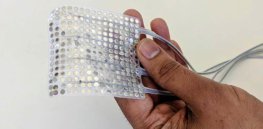
Are we moving closer to mind reading? Facebook-funded study turns brain signals into text
With a radical new approach, doctors have found a way to extract a person’s speech directly from their brain. The ...

There’s a medical dispute over how long it takes to predict recovery prospects for patients with traumatic brain injuries
The current practice in most ICUs is to help families make a decision about whether to withdraw life support within ...

Activist group Friends of the Earth study reports farms 48 times more toxic than 25 years ago, blames neonicotinoids
[T]he United States’ agricultural landscape is 48 times more toxic to insects than it was 25 years ago. Per a ...

140+ Mexican scientists urge president not to issue decree pushed by ‘activists, painters and chefs’ banning GMO research
Members of the academic community related to biotechnology, bioengineering, genomics and related disciplines express their concern about the possibility of ...

Viewpoint: ‘Impossible Whopper’ success proves consumers want sustainable food and biotech stigma is overblown. How will meat producers respond?
“It will never be more than niche.” That’s what a cattleman friend of mine recently said about meat alternatives. I’m ...

Human-monkey chimeras created in China in quest to grow transplantable human organs
An international team of researchers has created embryos containing both human and monkey cells, the Spanish newspaper El País reported July ...

Green chemicals: How DNA assembly tech streamlines microbe engineering to boost urban farming
Researchers at SMART, MIT's research enterprise in Singapore, and National University of Singapore (NUS) have developed a technology that greatly ...
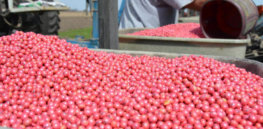
Honeybees and chemicals: Popular neonicotinoid insecticides ‘safe and effective,’ Australia confirms
There have been scientific studies published that suggest a link between the use of neonicotinoids and the declining health of ...

Women’s sex drive can be boosted with testosterone. Long-term risks need to be studied.
An absence of desire is not an inevitable facet of aging for women, [endocrinologist Susan] Davis says. There’s a name ...

Skeptical about GMO food safety?
Scientists can do some amazing things with genes, from saving papayas from extinction, to making apples last longer before turning ...

‘Google’ for biomedical data could improve our understanding of diseases, improve treatments
If we aggregated all the data from countless years of research, might we learn something new about ourselves, the diseases ...

South African farmer: Glyphosate ban would send agriculture back to the ‘Stone Age’
When I first heard about the activists who want to take away crop-protection products from African farmers like me, I ...

If you can’t remember your dreams, is there something wrong with you?
What is it about people who don’t remember their dreams that sets them apart from the people that do? Is ...

GMO mosquitoes could save millions from malaria but ‘progressive agroecologists’ mobilize against Gates-funded project
A child under 5 dies from malaria about every two minutes world-wide. Yet radical environmentalists are mobilizing against an important ...
