


Science Literacy Project Daily Digest
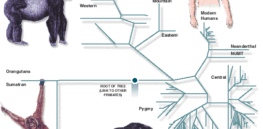
Are humans genetically unique?
A new paper in Science reports high (20-40 percent) derived frequencies for an allele which seems correlated with higher rates of ...

Big Data comes to farming, thanks to Monsanto: Sustainable, higher yields–and controversy
David Friedberg, CEO of The Climate Corporation, expected pushback when he decided to sell his San Francisco-based big data company ...
Challenging Darwin as the patron saint of science and secularism
It has become a press custom to ask Republican presidential hopefuls, such as Wisconsin governor Scott Walker, whether they believe in ...
For modern parents, how to weigh pros and cons of sequencing baby’s genome
At 31 years old, not a day goes by without overhearing one of my friends discuss the pros and cons ...
Who’s real shill: Food Babe or #Science14?
I hear it almost every single day. Because I talk or write about science, and promote ideas consistent with the ...
No, a single hormone cannot turn mice gay
In 2011, a group of scientists “turned mice gay.” The only issue is, of course, they didn’t. Rather, Yi Rao ...
Cultural brokers—environmental groups, prominent journalists—shape public discourse on GMOs
A Zurich-based think tank asks: “Who is influencing the way we think today? Whose ideas are determining ours?” To answer that ...
How can we best consider the consequences of altering a human genome?
The advent of CRISPR/Cas9 again sees a biomedical technology challenging norms and raising concerns. CRISPR/Cas9 makes it comparatively easy to ...
GMOs could save banana industry but could consumers accept it?
The international banana industry only has itself to blame for its vulnerability to panama disease, and faces annihilation if the ...
GMO distributors can be jailed in Azerbaijan
Azerbaijan can jail any person - importers or salespersons – engaged in sale of genetically modified products in the country ...
GMO acreage increases globally, especially among small farmers
Farmers are growing substantially the number of acres they plant of genetically modified crops, reveal new figures by the International ...

Game of Life and Death: Can you dare the odds and make it past 100?
Washington Post releases a new interactive feature online that delves into 7 ways medical technology has evolved over the past ...
Human germline modification sorely in need of ethical discourse
An Institute of Medicine committee is in the midst of a 19-month study, undertaken at the FDA’s request, of the ...
What’s more natural: Paleo diets or GMOs?
The see-food diet was the first so-called Paleo diet, not today's popular fad, premised on the false idea that there ...

What rocks women? Evolution suggests tall guys with hot cars
In prehistoric times, the more dominant male was the more successful hunter, and he was physically stronger than most other ...
Health, ethics, or money: What’s really driving CRISPR debate?
A momentous technological revolution is unfolding in our very real, no longer fictive ability to easily and cheaply alter the ...
Modified broccoli reduces LDL-cholesterol
A broccoli variety modified to have two to three times more of the naturally occurring compound glucoraphanin, which is linked ...
Mountain gorillas’ genome sequenced in hope of saving declining species from extinction
Mountain gorillas (Gorilla beringei beringei) are among the most iconic endangered species in the world and, as such, have become ...
Inside look at Monsanto’s Hawaii farm nursery
Spring is here and that means pretty soon farmers across the nation will be pulling equipment out of the shed ...
Doctor wants to remove head from human body, put it on another
It sounds like the plot for a science fiction movie. Someone has a horrific accident and winds up in the ...
Chemophobia: Testing foods for glyphosate rises with fears over health risk
U.S. consumer groups, scientists and food companies are testing substances ranging from breakfast cereal to breast milk for residues of ...
One decade old, Genographic Project’s probe into human history boasts numerous successes
Ten years ago, a group of international scientists and indigenous community members gathered at National Geographic Society’s headquarters in Washington, D.C ...
Interview with Science Babe who took down Food Babe
Earlier this month, you probably would't have heard of Yvette d'Entremont, aka Science Babe. But after posting a Gawker article ...

Thousands of illnesses linked annually to organic foods
The World Health Organization used its annual World Health Day to focus on issues of food-borne illnesses and safety risks ...
EU to streamline GMO import process, opening possible clearance of 19 products
The EU plans to simplify the import approval process for controversial genetically modified foods and animal feed, allowing member states ...
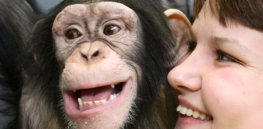
Humans and chimps seen as not as similar as once thought
When geneticist Mary Claire King became the first scientist to compare the genes of chimps and humans in 1975, she was in ...
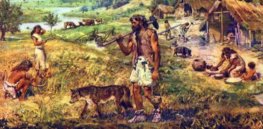
Northern European hunter-gatherers resisted agricultural revolution
Crops and livestock have been a part of the human experience for thousands of years. But, for some of our ...
