


Wine
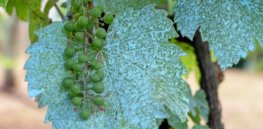
Organic pesticide copper sulfate—unlike glyphosate—is a carcinogen, kills beneficial insects, decimates soil, pollutes water. It also works. Here are political and science reasons why regulators give it a free pass
Europe is currently in a frenzy trying to drum up enough support to dramatically rollback approvals of targeted synthetic pesticides, ...

Hangover free wine? CRISPR gene editing could produce new varietals and disease-resistant grapes
Gene editing offers a new tool for wine grape growers, who have for decades grappled with troublesome pests, high pesticide ...

Pesticide hypocrisy? EU edges toward banning glyphosate after finding it safe but clears organic copper sulfate after finding it a ‘public health and environment concern’
Of all the elements the EU considers in ag regulations, science gets the shortest shrift ...
Viewpoint: Cameron Diaz, Katherine Power promote ‘clean wine’ with organic farming myths
In the wake of the natural wine movement and the age of ‘wellness’, it was just a matter of time ...

French winegrowers challenge proposed ‘unfair, unenforceable’ glyphosate weedkiller restrictions
Distributors and winegrowers are standing up against the changes to the ban on glyphosate proposed by ANSES. They find them ...

Pesticide fears spark winegrower interest in CRISPR-edited, disease-resistant grapes
According to a study conducted in 2011 by the U.S. Department of Agriculture, wine grapes were first domesticated around 8000 ...
France’s new pesticide-free zones threaten country’s vineyards, winegrowers say
The idea of so-called pesticide-free zones (or non-treatment zones) has gradually emerged as a solution to protect against the harmful ...
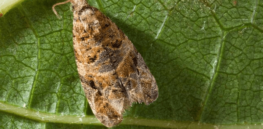
Podcast: What Doctor Who can teach us about protecting California’s grape industry from ‘alien’ bugs
Are you a fan of the long-term sci-fi comedy Doctor Who? It's the bizarre but entertaining story of an extraterrestrial ...
Savagnin Blanc: The 900-year-old grape still used in wine making today
DNA from ancient grape seeds shows the grapevine behind a local vintage has been cultivated continuously for 900 years. Ancient ...
Higher CO2 emissions, pesticide use raise doubts about sustainability of organic wine
The popularity of organic food and wine is not going away anytime soon. Yet as the European viticultural debate increasingly ...
Will glyphosate residue in beer and wine raise your cancer risk? If you drink 8 gallons a day
How much should we be worried? Not at all ...
Genetic analysis reveals mysterious evolution of brewer’s yeast that makes beer possible
The strain of brewers’ yeast used to make beer, Saccharomyces cerevisiae, derives from versions used over thousands of years to ...
CRISPR-edited wine grapes could cut pesticide use in Europe, but regulatory hurdles remain
When you toast during the holidays .... think about [this]: grape vines occupy 3 percent of the land cultivated in ...
Health and environmental dangers of copper-based natural pesticides spark division among French organic winemakers
The vice-president of the CIVB (Conseil interprofessionnel du vin de Bordeaux) Bernard Farges launched a bomb on October 15, announcing that ...
GMO wine: Are we ready for it?
Genetic modification of grapes could help wine growers deal with a range of challenges -- if they can be convinced ...

Climate change threatens champagne production, but wineries use ‘smart genetics’ to stave off problems
In the cold, chalky cellars deep underground at boutique Champagne house A.R. Lenoble, co-owner Antoine Malassagne shares his worries about ...
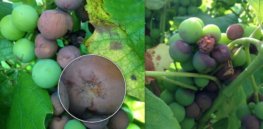
Grapes genetically resistant to mildew rot could cut pesticide use and French wine prices at the same time
French wineries have to use a lot of pesticide to keep their grapes healthy, and that's both expensive and costly ...
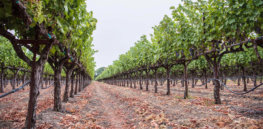
To protect vineyards from pests and reduce pesticide use, CRISPR could be the answer
The powdery mildew fungus decimates vineyards around the globe. As pesticides become less effective, some scientists are turning to gene ...

Winemakers abandoning organic status for sustainability, improved taste
The shift has been more common in France, where wineries have cited concerns about the environment and copper buildup from ...