CRISPR-edited wine grapes could cut pesticide use in Europe, but regulatory hurdles remain

c x

When you toast during the holidays …. think about [this]: grape vines occupy 3 percent of the land cultivated in Europe, but they employ as much as 65 percent of the fungicides used in agriculture.

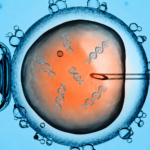
…. If the use of the most advanced breeding technologies, such as CRISPR, were allowed, the wines we love would become resistant to [oidium and downy mildew] without losing any of their genetic identity.

[R]esearch has already yielded the first conventional fruits, with ten varieties registered in 2015 in the [Italian] National Catalog …. 2018 brought the first commercial harvest for three of these vines. For others, vinification is still in the pre-commercial phase.

Those who participated in the aperitif biotech organized on December 5 in Milan by Assobiotec could taste some of the vines in preview. “But soon the first four grape varieties of Pinot will also be registered, with multiple resistances,”  geneticist Michele Morgante said during the tasting ….

The hope of the experts, therefore, is that in [the] future regulators, producers and consumers will be convinced to explore the potential of techniques that, according to the European Court of Justice, fall under the GMO directive, although they don’t involve the transfer of DNA between different species.

[Editor’s note: This article was originally published in Italian. This summary was prepared with Google Translate and edited for clarity.]

Read full, original article: A biotech toast to the future of wine

{{ reviewsTotal }}{{ options.labels.singularReviewCountLabel }}
{{ reviewsTotal }}{{ options.labels.pluralReviewCountLabel }}
{{ options.labels.noReviewsLabel }}
{{ options.labels.newReviewButton }}
{{ userData.canReview.message }}

Related Articles

Infographic: Global regulatory and health research agencies on whether glyphosate causes cancer

Infographic: Global regulatory and health research agencies on whether glyphosate causes cancer

Does glyphosate—the world's most heavily-used herbicide—pose serious harm to humans? Is it carcinogenic? Those issues are of both legal and ...

Most Popular

organic scaled
Facts & Fallacies podcast: Organic food cuts pesticide exposure? A response to Dr. Rhonda Patrick
ChatGPT-Image-Mar-10-2026-01_39_01-PM
Viewpoint—“Miracle molecule” debunked: Why acemannan supplements don’t work
kratom
Viewpoint: Kratom ‘supplement’ crisis: DEA sits on its hands while patient addictions to this ineffective drug  rise
using genetics to reverse aging
Is the longevity obsession a new form of ageism?
Screenshot 2026-07-22 at 10.25
Science brain drain escalates as Trump purge extends to USDA
ChatGPT-Image-Jun-25-2026-02_53_56-PM
Embryo gene editing is on the horizon, stirring mixed emotions
Blood blockage
High cholesterol? FDA approves effective oral medication
Screenshot-2026-07-01-at-2.49.48-PM
Dr. TikTok and male fertility: Viral claims tout GLP-1 drugs as fertility boosters. What does the science say?
a-mature-farmer-working-in-the-field-at-sunrise-harvesting-crops-generated-by-ai-photo
What’s the prospect of developing gene-altered crops that are more nutritious and resist climate disruption
ChatGPT-Image-Jul-6-2026-02_25_26-PM
40 million Americans take glucosamine. If you have memory loss, it could accelerate cognitive decline.
Screenshot-2026-07-21-at-6.22.06-PM
The Indian physician’s one-woman battle against health disinformation on Wikipedia
ChatGPT-Image-Jun-25-2026-12_23_17-PM
No, Bill Gates did not secretly engineer ticks to promote veganism
file-f-d-d-
Facts & Fallacies Podcast: Europe's AC debacle underscores fatal flaw in green activism
glp menu logo outlined

Get news on human & agricultural genetics and biotechnology delivered to your inbox.