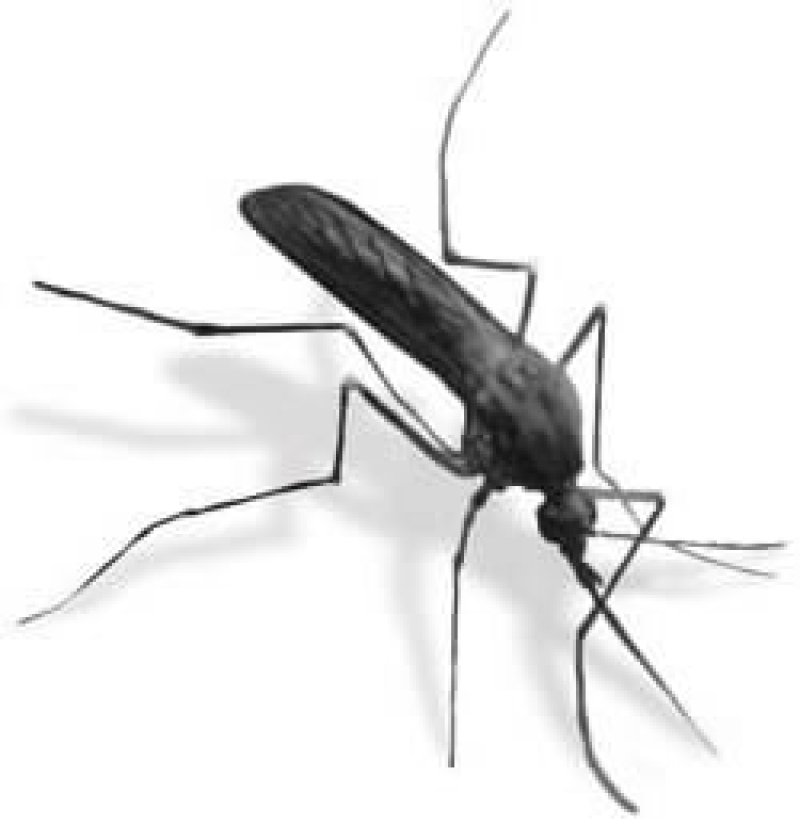
Florida could gain a new resident: The genetically engineered mosquito

mosquito facts

It’s safe to say that most people have experienced a mosquito bite at some point in life. The insect is infamous for its irritating buzz and itchy bites. But in many parts of the world, mosquitoes pose a much more dangerous threat than a red bump. Mosquitoes are vectors for deadly diseases such as malaria, tularemia, West Nile virus and dengue fever, which can cause serious infection and even death.

Many methods are implemented for control of mosquitoes, such as window screening, nets, and the use of insecticides. But a new genetically modified mosquito presents the most innovative solution yet.

The British biotechnology firm Oxitec has applied to the FDA to release a genetically modified mosquito in Florida to prevent the spread of dengue fever. Although dengue fever is not common in the United States, billions of people worldwide are at risk of infection.

The genetically engineered mosquito has a genetic system scientists call tTa. This gene uses a protein to turn on other genes in the mosquito. The gene is not toxic, but it has the ability to interfere with the mosquitoes’ genetic regulatory system, and it kills the mosquito from within. The protein does not kill the mosquito immediately, instead it allows time for the genetically altered male mosquito to mate, thus producing an offspring which also contains the deadly gene.

This control method is commonly referred to as “sterile insect technique.” The method has been tested before, in places such as Brazil, where the mosquito population experienced an 85% drop.


There have been some concerns raised about the consequences of wiping out such large numbers of an insect population, with some asking what it might do to the ecological balance in certain areas. Fortunately, scientists at Oxitec say the process is most likely reversible, simply by halting the release of the genetically engineered mosquito into the wild.

Additional Resources:

View the original article here: Release the Franken-Skeeters

 

Related Articles

Infographic: Global regulatory and health research agencies on whether glyphosate causes cancer

Infographic: Global regulatory and health research agencies on whether glyphosate causes cancer

Does glyphosate—the world's most heavily-used herbicide—pose serious harm to humans? Is it carcinogenic? Those issues are of both legal and ...

Most Popular

ChatGPT Image Jul 31, 2026, 08_05_37 AM
26% and far worse than during COVID: Under RFK Jr., Americans’ opinion of ‘revamped’ CDC hits an all-time low
Cancer mRNA Vaccine Concept
'A new frontier': Though scorned by RFK Jr., personalized mRNA vaccine offers hope for many suffering from melanoma skin cancer
Screenshot-2026-10-26-at-11.06.10-AM
Viewpoint: The organic, good-food, small-farm movement is seductive but wrongheaded. Here’s the sustainability and environmental case for industrial farming
ChatGPT-Image-Mar-10-2026-01_39_01-PM
Viewpoint—“Miracle molecule” debunked: Why acemannan supplements don’t work
Screenshot-2026-10-24-121036
Many hospitals embrace longevity medicine. Are they separating science from hype?
Picture1
Viewpoint: How badly is the U.S. food-safety net fraying? FDA’s bungled handling of the tainted lettuce crisis deepens concerns over cuts to disease tracking and response
China Innovation Lightbulb 2
China’s 5-year plan to accelerate science innovation is putting the U.S. and Europe in the rearview mirror
Screenshot-2026-10-23-at-10.37.12-AM
Viewpoint: Drones, dollars and baby food: Critical innovations that anti-plastic ideologues willfully ignore
Crimson Drips Over the White House
In Trump administration redirect, U.S. steers NIH sharply away from biodefense and pandemic preparedness
Healthy Food Sensitivity Test Collection
Viewpoint: That’ll be $300: The wellness industry’s junk science scam to ‘fix’ your immune system that isn’t broken
West-Virginia-SNAP-Water-Bottle-Sticker
A ‘shining success’ or 'empty promises’: Two years along, West Virginians assess MAHA’s food promises
Screenshot-2026-10-19-at-12.04.51-PM
Victims of their own success: As memories of killer diseases fade, vaccine rejectionism soars
Rustic Skillet of Raw Brains
‘Weird food’? Testicle- and brain-eating, supplement-gulping MAHA health food enthusiasts defend their ‘natural’ diets
glp menu logo outlined

Get news on human & agricultural genetics and biotechnology delivered to your inbox.