Kenya issues blanket GMO ban

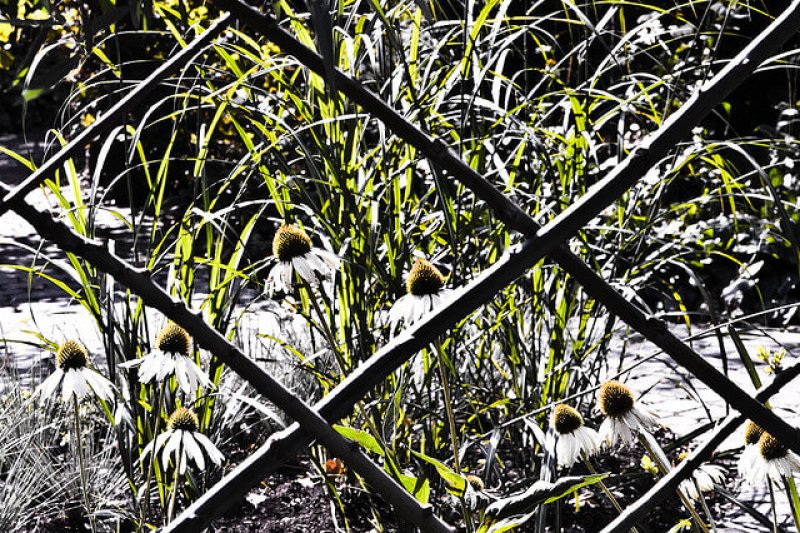
plant fence

Kenya, one of the first African countries to legalize GM technology, used to be recognized as a leader in that region’s biotechnology development. But in response to the now-debunked Seralini study, Kenya’s Public Health Minister Beth Mugo recently outlawed the importation of all genetically modified products into the country.

Scientists are raising the alarm and pointing out that GM foods have never been associated with health risks, yet the government insists that the ban will remain in effect “until there is sufficient information, data and knowledge demonstrating that GMO foods are not a danger to public health.”

Anti-biotech organizations such as the African Center for Biosafety and the African Civil Society see the ban as an issue of food sovereignty, and are calling for a continent-wide ban.  “Africans must determine what crops are suitable culturally and environmentally,” the coordinator of the African Center for Biosafety told IPS. “Up to 80 percent of our food needs are met by smallholder farmers. These people need support and inputs for integrated agro-ecological crop management. Africa should ideally be a GMO-free continent.”   

And in the midst of it all, many scientists are wondering whether the measure could deny food and medicine to hundreds of thousands of Kenyans.

Additional Resources:

  • Africa: Calling for a GMO-Free Continent
  • Ban on GM products brave but will it work?
  • Motions for and against genetically-modified crops
  • Scientists torn over Kenya’s recent GM food ban

{{ reviewsTotal }}{{ options.labels.singularReviewCountLabel }}
{{ reviewsTotal }}{{ options.labels.pluralReviewCountLabel }}
{{ options.labels.newReviewButton }}
{{ userData.canReview.message }}

Related Articles

Infographic: Global regulatory and health research agencies on whether glyphosate causes cancer

Infographic: Global regulatory and health research agencies on whether glyphosate causes cancer

Does glyphosate—the world's most heavily-used herbicide—pose serious harm to humans? Is it carcinogenic? Those issues are of both legal and ...

Most Popular

Screenshot-PM-24
Viewpoint: The herbicide glyphosate isn’t perfect. Banning it would be far worse.
79d03212-2508-45d0-b427-8e9743ff6432
Viewpoint: The Casey Means hustle—Wellness woo opportunism dressed up as medical wisdom
d-b
Blocked arteries, kidney stones, nausea, constipation, fatigue: Long list of health problems caused by too much vitamin D 
ChatGPT-Image-Mar-10-2026-01_39_01-PM
Viewpoint—“Miracle molecule” debunked: Why acemannan supplements don’t work
Screenshot-2026-04-30-at-11.33.46-AM
Anti-seed-oil to anti-vax pipeline: MAHA movement spreads to teen influencers
lab grown meat research kelly schultz lehighuniversity main
Profiles of the 10 top global cultured meat companies
ChatGPT-Image-Apr-30-2026-05_00_48-PM
Wellness grifter physician turned wellness influencer out as surgeon general nominee
ChatGPT-Image-Apr-30-2026-12_21_05-PM-2
The tech billionaires behind the immortality movement
Screenshot-2026-04-28-at-1.21.37-PM
How America’s medical system encourages psychiatric overdiagnosis

Sorry. No data so far.

glp menu logo outlined

Get news on human & agricultural genetics and biotechnology delivered to your inbox.