While we observe acts of kindness and generosity–altruism–an explanation for why it occurs remains elusive, and hotly debated. What inspires acts of kindness? What motivates people to risk their own lives to save a complete stranger? Is it a purely social phenomenon influenced by our culture and environment or is each individual’s capacity for selflessness rooted in part in our genes?
Neurology, by mapping brain activity, can show patterns of behavior in humans in our responses to social cues, from every day interactions to acts of violence or altruism.
In studies of genetically identical twins, researchers have found that 30-60% of altruistic tendencies, such as helping a stranger or donating to charity, can be explained by genetics, with differences influenced by our social or cultural environment. In the last decade, researchers have found variations of specific genes that can be linked to altruism, cluing researchers in to its genetic origins.
Now, the growing field of epigenetics is beginning to provide even more unexpected insights into the nature/nurture debate and on inscrutable social behaviors like altruism.
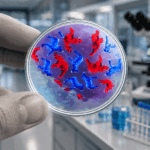
Epigenetics is a relatively new field of research that suggests our behavior may not only be influenced by the unchanging DNA sequences of our genes but also by molecular processes that change the expression of these genes due to changes in the surrounding environment.
Steve Cole, professor of Medicine and Psychiatry and Biobehavioral Sciences at UCLA School of Medicine, is one of the pioneers in this field. In an article, “The Social Life of Genes,” in the current issue of Pacific Standard, journalist David Dobbs, who specializes in the converging fields of genetics and psychology, documents Cole’s journey from his post-doctoral research on immunology and cancer in the 1990s to his current research on the epigenetics behind the human immune system. Cole’s research, some of the earliest to bring together genetics and social psychology, has focused on the effects that social isolation has on the genes that control the immune system.
In a 2007 study, Cole and his research colleague, social psychologist John Capioppo from the University of Chicago analyzed the blood of self-described lonely or socially well-off people in Chicago. There were only 14 subjects, so the results would have to be considered preliminary, but he found that one percent of their genome, which is a huge amount in this context, showed different patterns of expression as a result of environmental interactions. That one percent included several genes that showed the immune system in the lonely subjects was reacting abnormally:

Normally, a healthy immune system works by deploying what amounts to a leashed attack dog. It detects a pathogen, then sends inflammatory and other responses to destroy the invader while also activating an anti-inflammatory response—the leash—to keep the inflammation in check. The lonely Chicagoans’ immune systems, however, suggested an attack dog off leash—even though they weren’t sick. Some 78 genes that normally work together to drive inflammation were busier than usual, as if these healthy people were fighting infection. Meanwhile, 131 genes that usually cooperate to control inflammation were underactive. The underactive genes also included key antiviral genes.
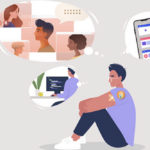
Cole has since completed numerous studies that led him to a similar conclusion: the underlying gene expression that leads to immune responses in lonely or isolated people differs significantly from that in people who have healthier social lives. Socially isolated people are often less healthy due to abnormally reacting immune systems.
Cole’s epigenetic research adds to a growing body of research from other disciplines, including neuroscience, that provides more insight into the social nature of humans.
In a Wall Street Journal article, science writer Elizabeth Svoboda describes recent research into the effect of altruistic acts on brain chemistry. Neurologist Jordan Grafman found that when subjects chose to donate money to a hypothetical charity of their choice, their brains showed increased activity in regions associated with social bonding. Further investigations by economist Bill Harbaugh at the University of Oregon found that when subjects voluntarily donated money to a charity, their brains responded as if they had ingested addictive drugs or won the lottery. The research further suggests that altruism, which is important in social bonding, is deeply rooted in human brains.
From neuroscience to genetics, scientists are gaining more insight into the fundamental nature of human social bonding. As scientists delve deeper into epigenetics, the environment that surrounds us, including our friends and family, is proving to have more influence on our genes than previously thought.
Additional Resources:
- “Penn biologists show that generosity leads to evolutionary success” Penn News